
Michael Gwarisa
The African Commission on Human and Peoples’ Rights has urged Zimbabwe to reconsider plans to scrap the Zimbabwe Gender Commission, warning that the move could undermine progress made in advancing gender equality and protecting women’s rights.
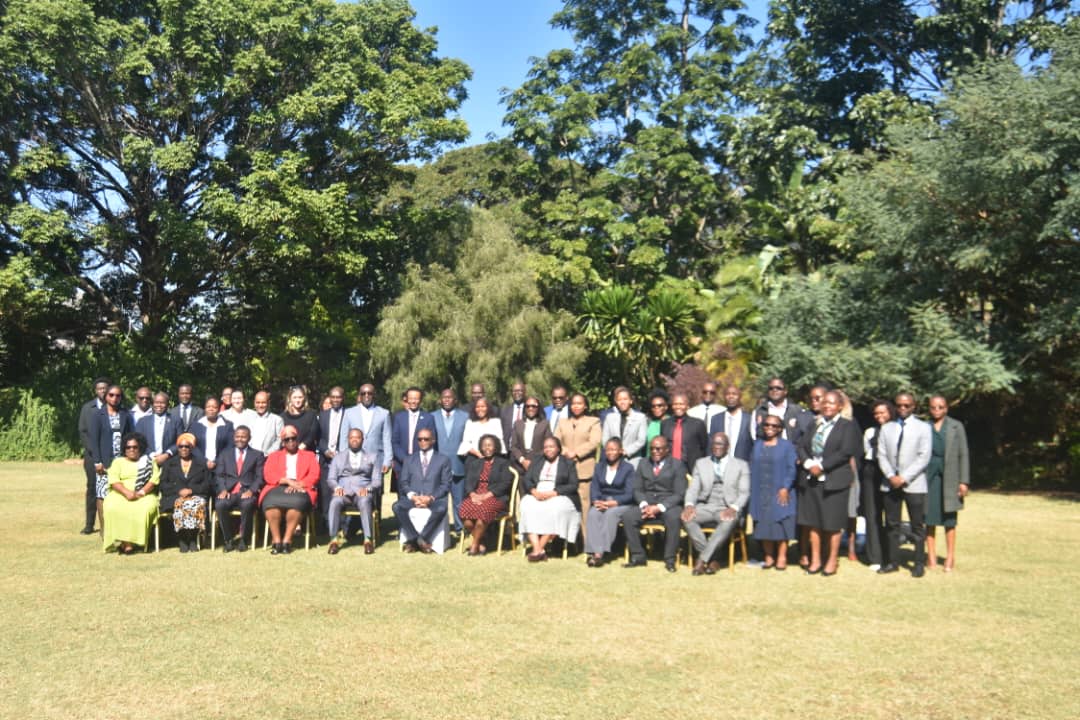
The call was made following the Commission’s visit to the country as part of the Promotion Mission of the African Commission on Human and Peoples’ Rights to the Republic of Zimbabwe, where it engaged government officials and civil society organisations on key human rights issues.
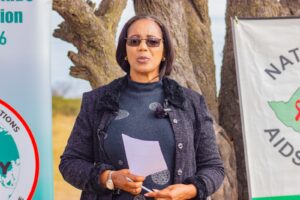
“During our meetings, we also urged the Zimbabwean government to reconsider the proposed dissolution of the Zimbabwe Gender Commission,” said Commissioner Janet Ramatoulie Sallah-Njie during an engagement with women’s rights organisations in Zimbabwe.
They also emphasised this in its preliminary statement issued after the mission, the Commission raised concern over the proposed dissolution of the Zimbabwe Gender Commission, describing it as a regression in gender equality protections and calling on authorities to reverse the move.
Women’s rights organisations that also engaged the AU Commission in Harare used the platform to present their concerns, warning that dismantling the commission would weaken institutional mechanisms dedicated to addressing gender inequality and gender-based violence.
The government has proposed to dissolve the Zimbabwe Gender Commission and integrate its functions into the Zimbabwe Human Rights Commission. However, civil society groups argue that such an arrangement risks diluting the specialised focus required to effectively address women’s rights issues.
The Commission’s delegation was led by Commissioner Janet Ramatoulie Sallah-Njie, who is responsible for the promotion of human rights in Zimbabwe and serves as Special Rapporteur on the Rights of Women in Africa. Other members included Commissioner Maria Teresa Manuela, Special Rapporteur on Prisons, Conditions of Detention and Policing in Africa, and Commissioner Selma Sassi Safer, Special Rapporteur on Refugees, Asylum Seekers, Internally Displaced Persons and Migrants.
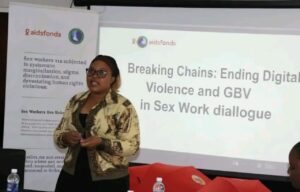
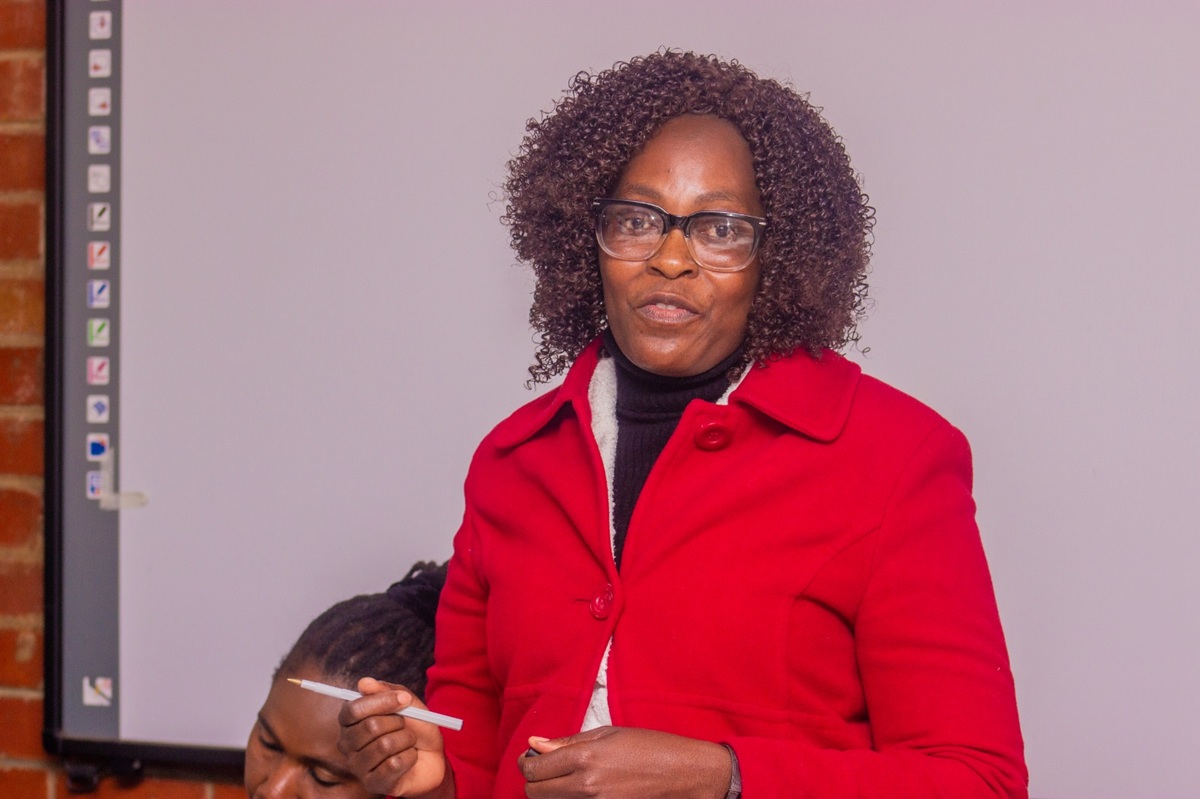
Presenting submissions, Zimbabwe Women Lawyers Association director Abigail Matsvai said the Gender Commission remains a critical institution in addressing inequality and discrimination at national level.
She said while authorities argue that the commission would not be removed but integrated into the Human Rights Commission, civil society believes the move would undermine its effectiveness. Matsvai said the proposed integration would not achieve meaningful progress on gender equality, as the issues require a dedicated institution with a focused mandate.
“It is an issue of concern. There’s also been issues around saving costs. Integration of the Gender Commission is a cost-cutting measure, which again we present that it will not necessarily be a cost-cutting measure because this is the commission amongst all commissions that has been given the least budget but has been able to drive particular change,” she said.
Matsvai noted that historically, the commission has received less than one percent of the national budget, yet has managed to deliver impact. She, however, highlighted persistent gaps in addressing gender-based violence and enforcement of existing laws.
She pointed to child marriages as one example, noting that despite the enactment of the Marriages Act in 2022, there have been no arrests or prosecutions under the law, reflecting a gap between legislation and implementation.
Matsvai also raised concern over technology-facilitated violence. She said that despite the existence of the Cyber and Data Protection Act, there have been no arrests linked to such offences. With the recent launch of the National Artificial Intelligence Strategy, she warned that the absence of safeguards could expose women to increased risks of digital abuse.
She urged the African Commission to spotlight these issues and push for stronger accountability.
Zimbabwe Lawyers for Human Rights Executive Director Bellinda Chinowawa echoed the concerns, warning that abolishing the commission would weaken protections for women.
“Since then the Government of Zimbabwe has unfortunately indicated its intention to abolish the Zimbabwe Gender Commission, a key institutional mandate to promote and protect women’s rights. This development risks undermining progress on gender equality and the protection of women from discrimination,” she said.
Chinowawa warned that transferring the commission’s functions to the Zimbabwe Human Rights Commission would dilute its specialised mandate.
“The Government has proposed transferring the functions of the Zimbabwe Gender Commission to the Zimbabwe Human Rights Commission, a move that risks diluting the specialised mandate on women’s rights,” she said.
She added that the receiving institution is already overstretched and under-resourced, which could further compromise its ability to effectively address gender-related issues.
Chinowawa said the move could weaken oversight mechanisms, reduce capacity to respond to violence against women, and affect Zimbabwe’s compliance with regional human rights obligations.
She also called on Zimbabwe to ratify outstanding regional instruments aimed at strengthening protections for women, noting that stronger legal frameworks are essential in addressing gender-based violence.
Chinowawa said the issue is particularly urgent in light of increasing cases of violence against women, including those in political and housing spaces who face harassment, intimidation and abuse.
She urged the African Commission to continue pressing the government to retain and adequately resource the Zimbabwe Gender Commission, stressing that specialised institutions are critical in advancing women’s rights and ensuring accountability.
The Promotion Mission is part of the Commission’s broader mandate to assess compliance with human rights obligations and engage stakeholders on key issues affecting vulnerable groups across member states.