Michael Gwarisa
The World Health Organization (WHO) is supporting Burundi’s efforts to determine the cause of an illness that has led to five deaths and infected 35 people in Mpanda district, north of the East African country.
While preliminary assumptions linked the ailment to Ebola or Marburg virus diseases, Rift Valley fever, yellow fever and Crimean-Congo haemorrhagic fever, laboratory results have turned out negative for these, plunging health officials into further disarray.
“While it is reassuring that preliminary analysis is negative for these serious infections, further investigations are ongoing to determine the cause of the disease,” said Dr Lydwine Badarahana, Burundi’s Minister of Health. “All the necessary measures are being taken to safeguard public health and prevent potential spread of infection.”
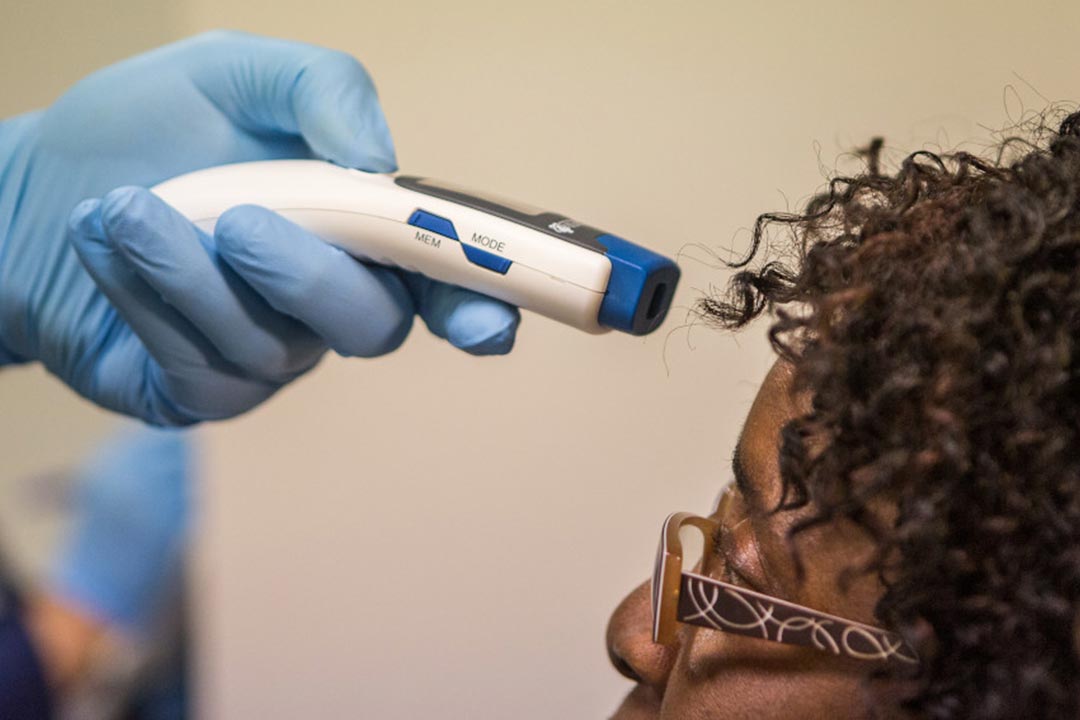
An alert about the undiagnosed illness was received on 31 March 2026, primarily among members of the same household and close contacts. Symptoms include fever, vomiting, diarrhoea, blood in urine, fatigue and abdominal pain. Some severe cases have also presented with jaundice and anaemia.
A joint team of experts from the country’s public health emergency operations centre and the national reference laboratory has been deployed to the field to support ongoing investigations.
WHO is supporting the Ministry of Health to strengthen disease surveillance, field investigation, clinical care, laboratory diagnosis, and infection prevention and control, while also providing logistical support to sustain key operations. The organization has also facilitated the shipment of samples to the National Institute of Biomedical Research for further analysis.
The Ministry of Health is leading the response, working with partner organizations to coordinate joint efforts.