
By Kuda Pembere
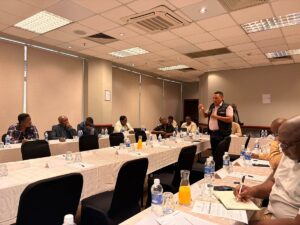
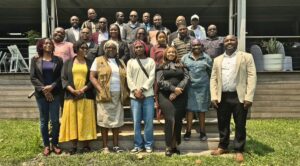
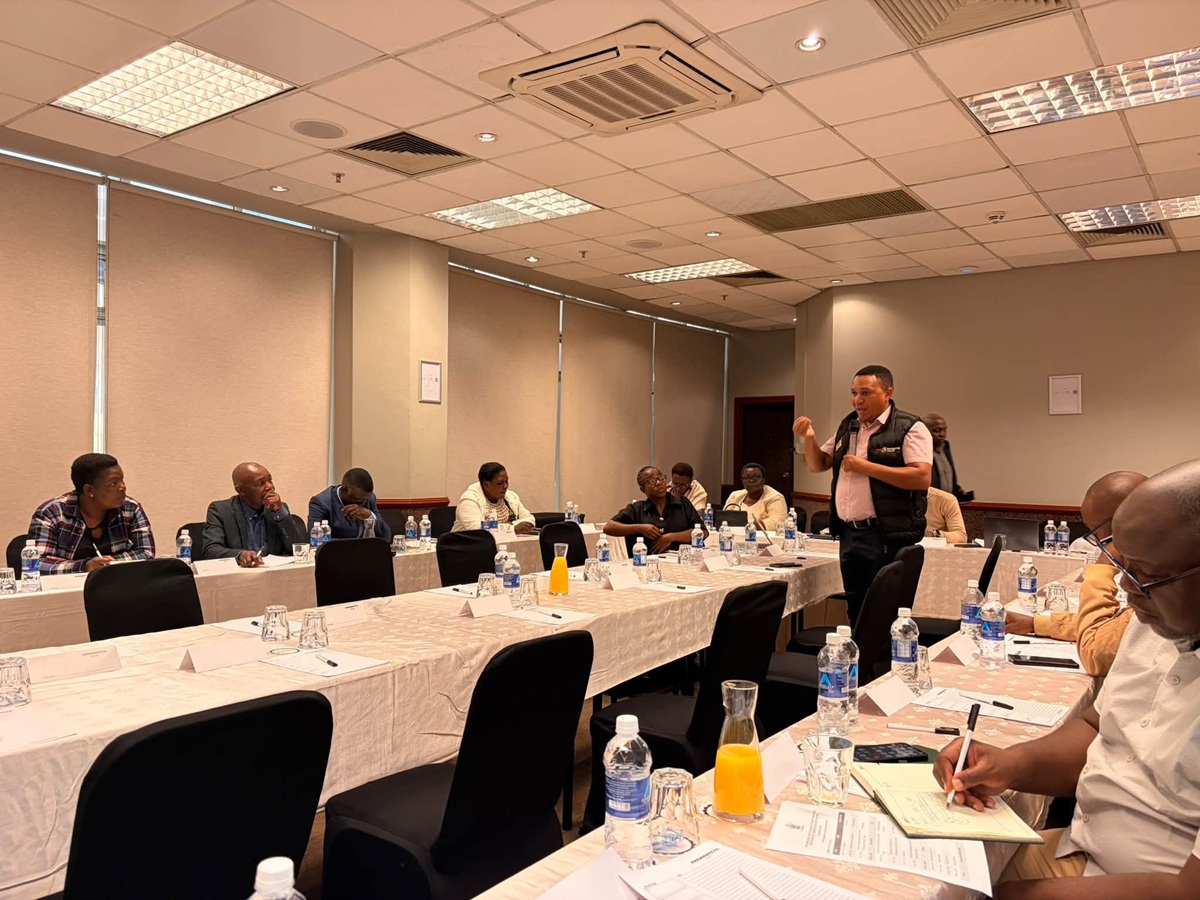
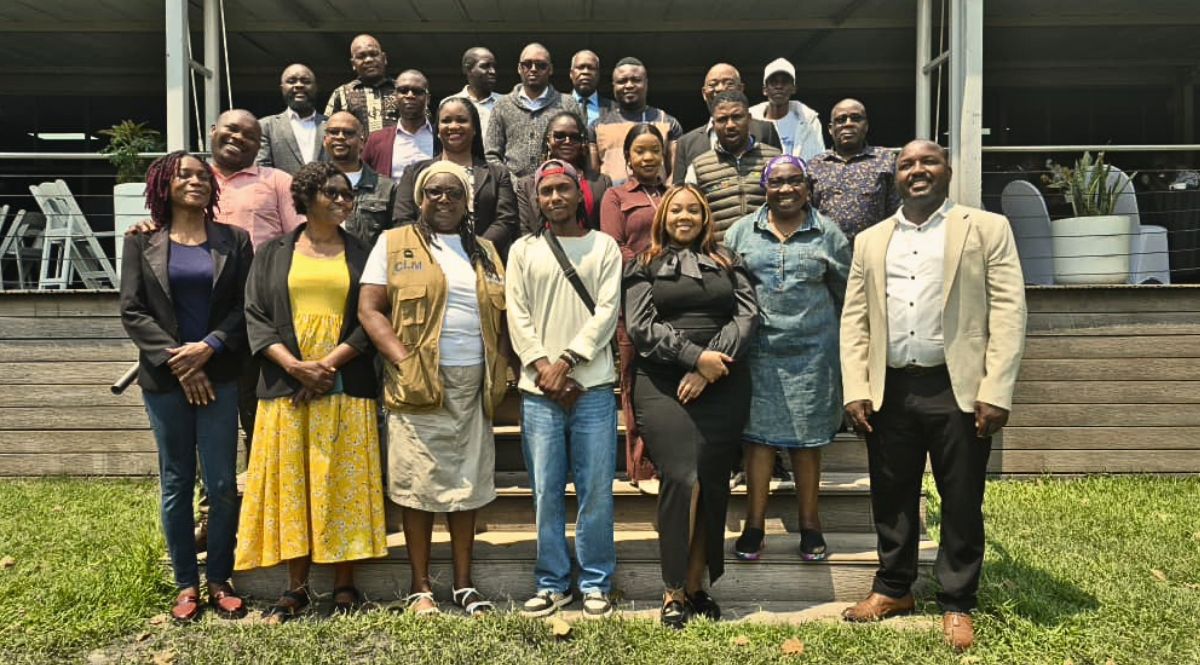
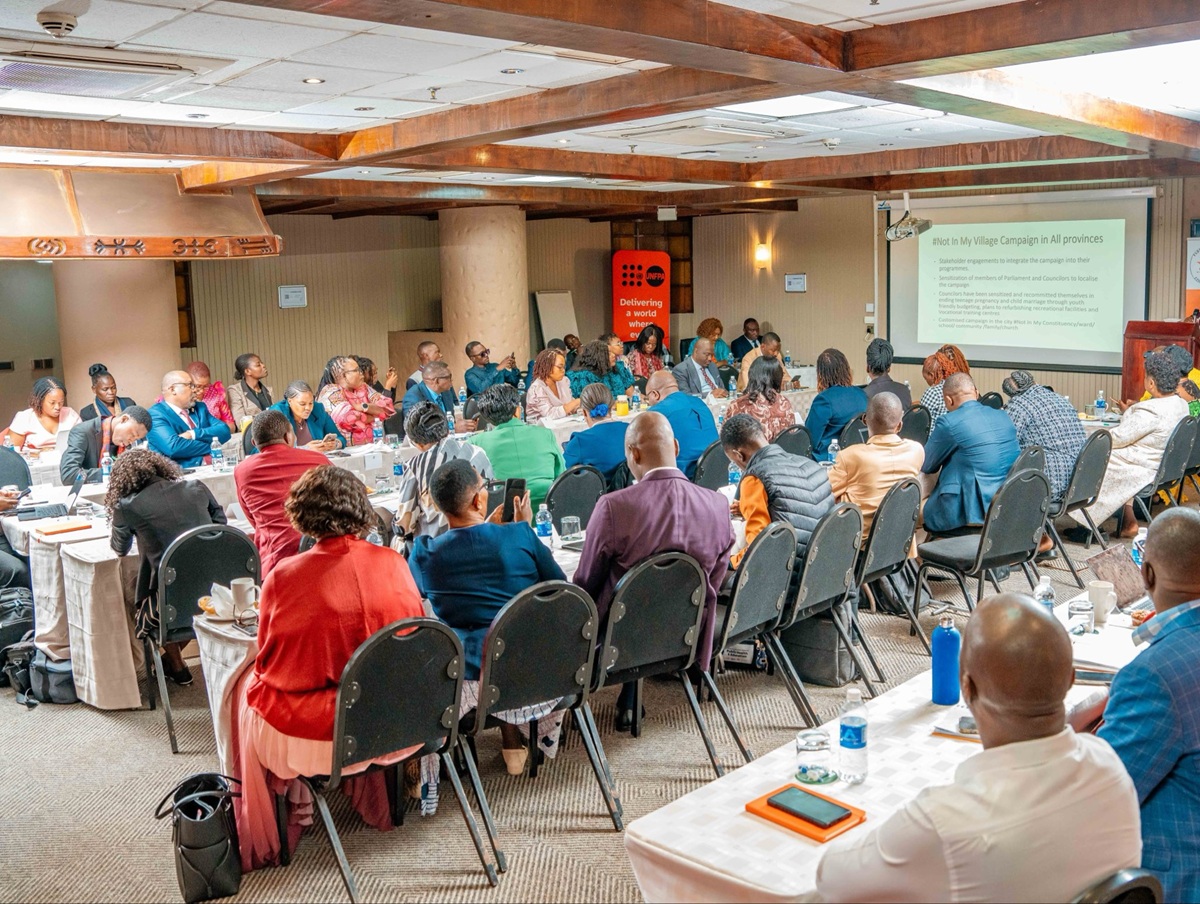
Students from various institutions across the SADC region have gathered in Zimbabwe for the SAYWHAT 3rd Research Indaba and the 14th Students Conference.
The event has brought together young researchers presenting studies on climate change, Sexual and Reproductive Health and Rights (SRHR), and tuberculosis.
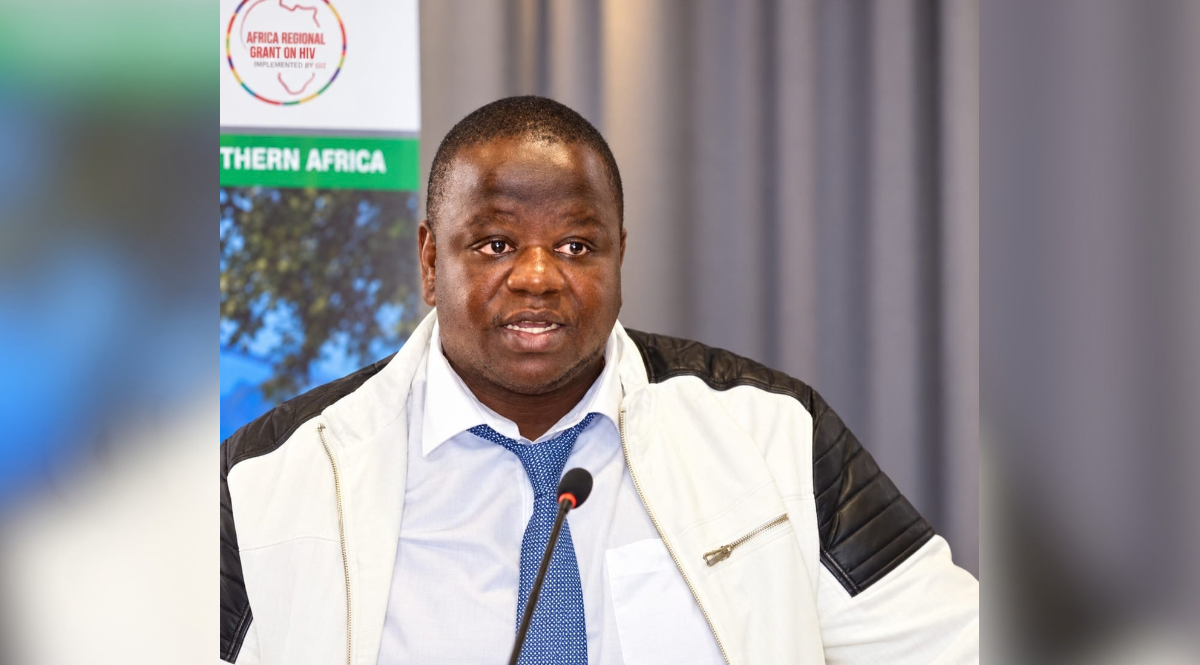
An official from the Ministry of Higher and Tertiary Education, Innovation, Science, and Development called on institutions to inspire and support students committed to addressing public health challenges.
Youth-led research projects not only provide valuable data but also ensure that solutions are relevant and tailored to the needs of young people. Right now, we are harnessing youth human resources. Here, we have three or four issues we want to talk about,” the official said.
“Empowering student innovators is crucial. Institutions should support and mentor these students by providing resources, training, and platforms to showcase their ideas. We can leverage the creativity and energy of young people to drive public health innovations,” he added.
Michael Wiking from the Swedish Embassy emphasized the importance of closing knowledge gaps on SRHR issues and their impact on young people.
“Such knowledge gaps undermine the quality of our interventions. This makes the work being done by researchers here today crucial. This indaba provides a platform for participants to discuss and share evidence on what works, what doesn’t, and how successful programs can be scaled to reach different groups in society,” he said.
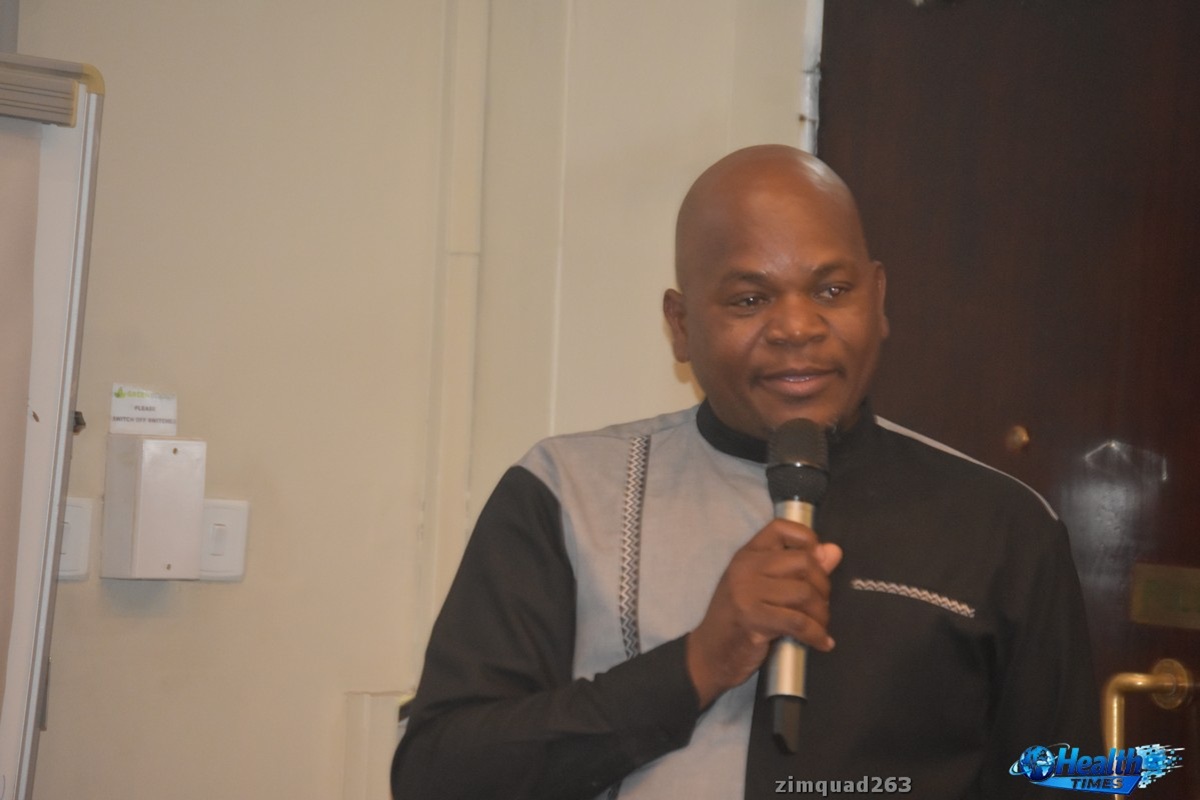
SAYWHAT’s Executive Director, Jimmy Wolford highlighted that the Indaba empowers young people to propose solutions aligned with developmental agendas benefiting youth.
“This Indaba provides young people with a platform to contribute to the conceptualization of various developmental programs aimed at their benefit.
“The data young people collect, analyze, and share is invaluable. It ensures that interventions are effective and truly beneficial. Research is also critical for the social and emotional development of young people, and we have many working with our mentors,” he said.
Ms. Maya Tsinakwadi, the National Coordinator for the Students Conference and Research Symposium, outlined the packed schedule of activities over the two-day event, including sessions tailored for both male and female participants.
“This is a regional event. We have students from Zimbabwe, Zambia, Malawi, Botswana, and Angola.
“Today, we are hosting the Web for Life symposium for female students to discuss their issues and seek solutions. For the young men, we have the Mugota session where they address challenges and propose recommendations,” she explained.
She added that tomorrow’s sessions would focus on climate change and drug and substance abuse.
“The theme for this year’s conference, the 14th edition, is Students Striving to Achieve Health and Educational Outcomes. To achieve these outcomes, we must tackle drug and substance abuse.
“We’ll also have the Green Night event, which highlights climate change and SRHR. It’s a commemorative dinner advocating for climate action and promoting sexual and reproductive health,” she said.
The event, which celebrates youth innovation and research, continues to provide a platform for regional collaboration and actionable solutions to pressing social and health issues.