By Michael Gwarisa in Bikita, Mashoko
In rural and underserved parts of Zimbabwe, a silent but devastating condition continues to rob women of their dignity, health, and hope: obstetric fistula. Often caused by prolonged, obstructed labour without timely medical intervention, this childbirth injury leaves women incontinent and frequently ostracised by their communities.
But today, a growing movement of awareness, surgical intervention, and community support is changing the tide. One stitch at a time, medical teams and advocates are not only restoring bodies but also rebuilding lives.

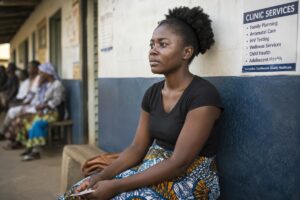
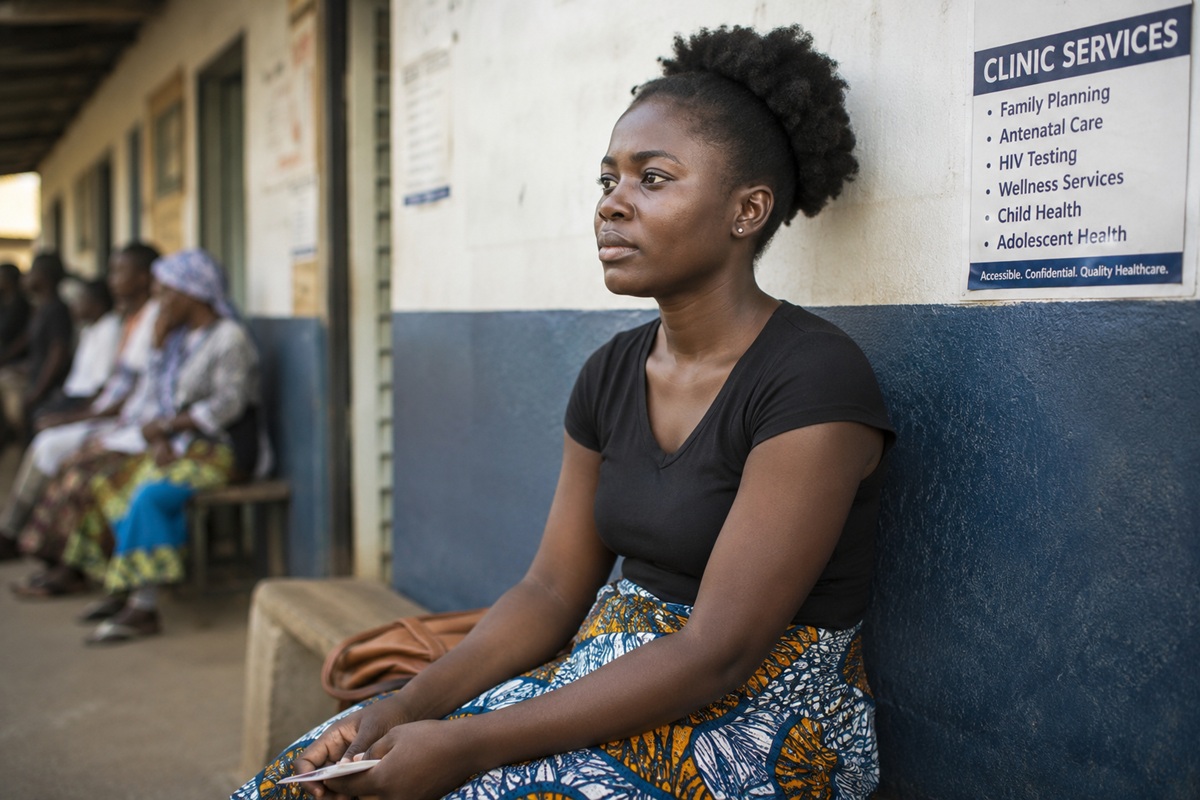
Twenty-nine-year-old Sandra Mugowo from Chegutu in Mashonaland West Province is among the women whose lives have been transformed. After living with obstetric fistula for eight years, Sandra is now celebrating a successful repair surgery.
This condition started in 2017 when I gave birth to my second child,” Sandra told HealthTimes, her voice breaking with emotion. “I honestly thought this was going to be a lifetime condition. I had already given up hope for a normal life.”
The condition not only affected Sandra’s health. It devastated her social and romantic life. Friends distanced themselves, and her husband withdrew both emotionally and physically.
“This stressed me every single day. I sought help in many places. Some told me it was the work of evil spirits. Others said the gods were mocking me. It was tough,” she said.
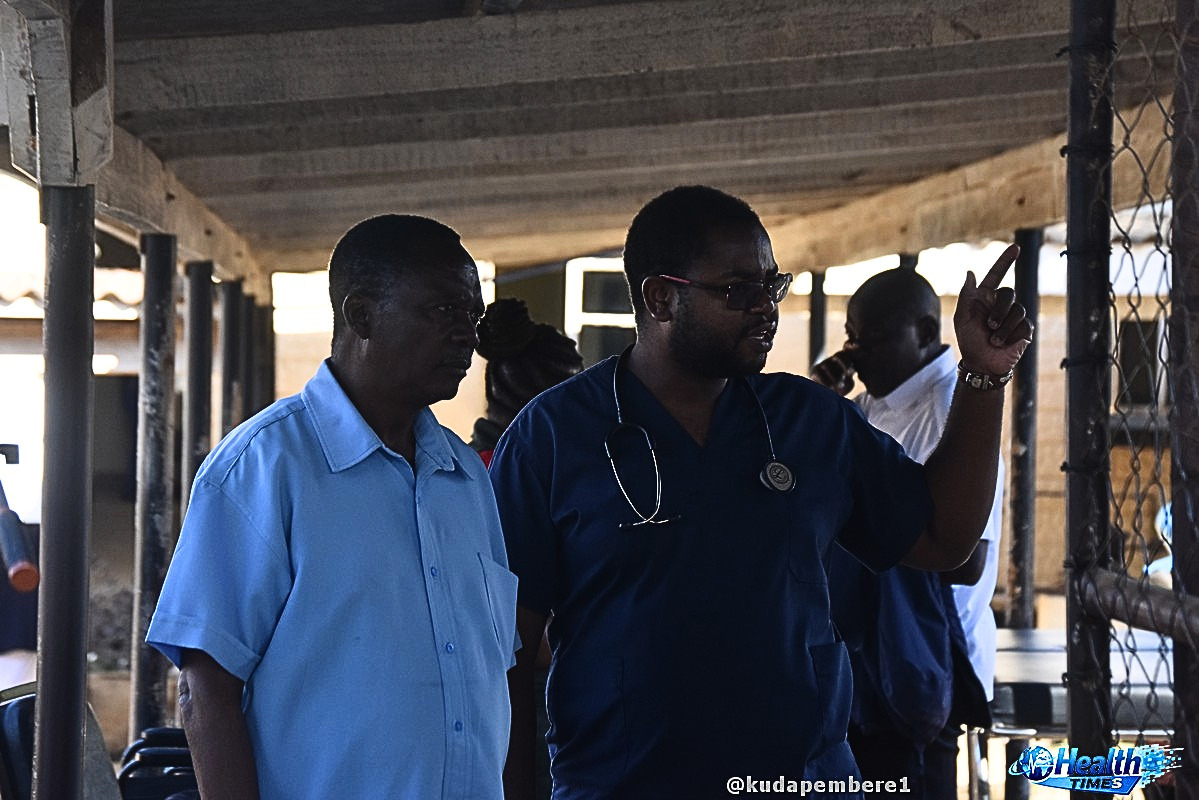
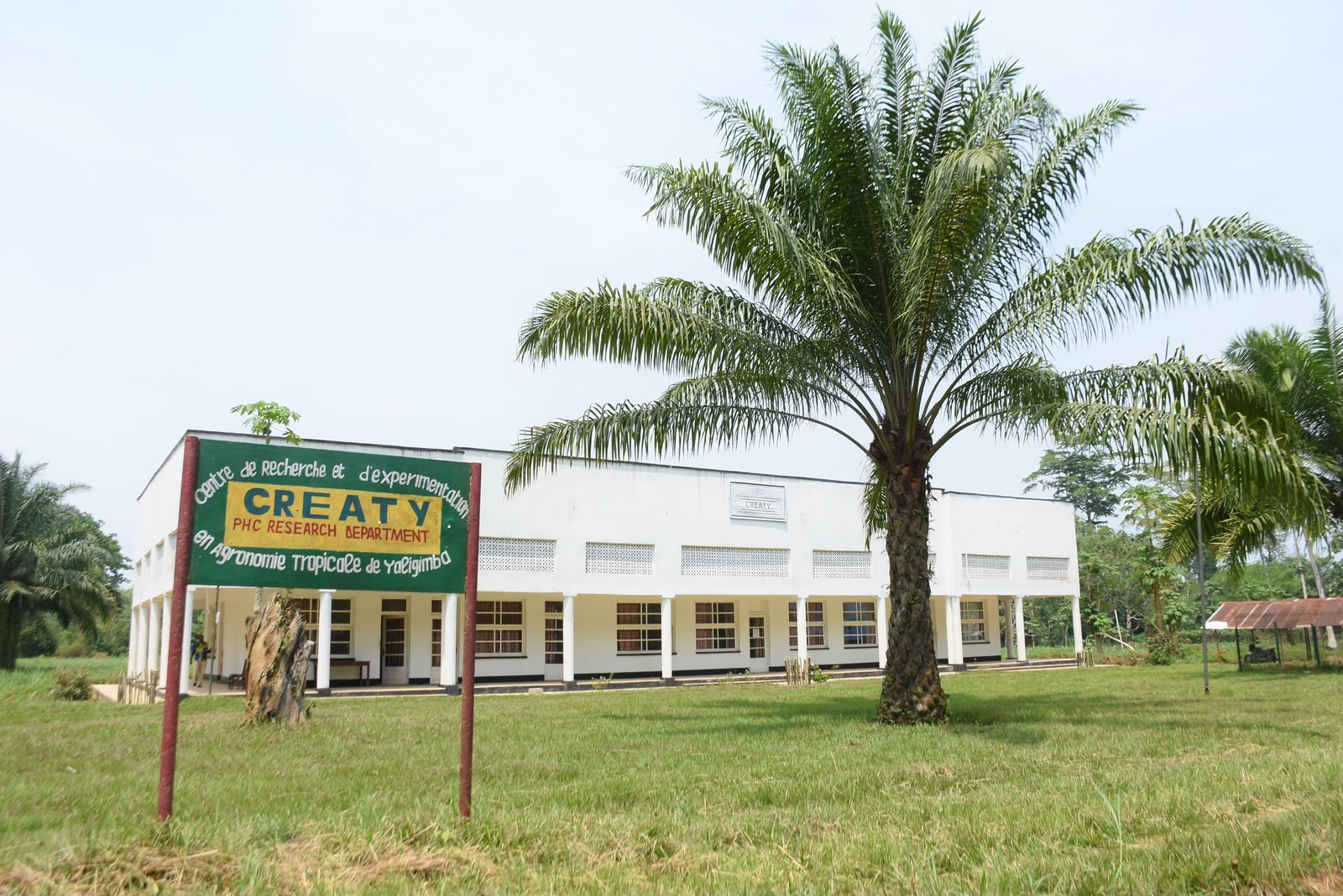
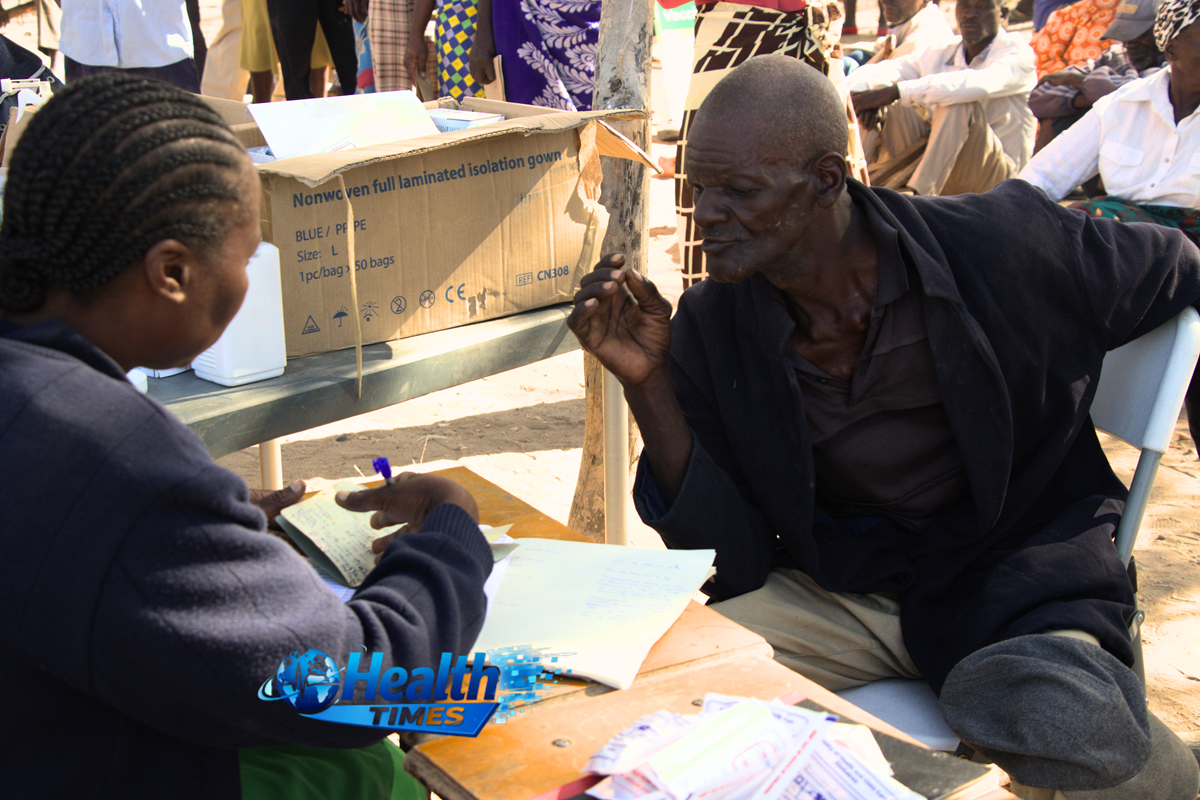
Sandra’s story took a turn for the better thanks to a free obstetric fistula repair camp at Mashoko Hospital in Bikita, Masvingo Province. Running from May 19 to 30, 2025, the camp brought together skilled surgeons and support staff to provide life-changing operations to women who had suffered in silence for years.
“One day, while browsing my phone, I came across a message in a WhatsApp group about this repair camp. I didn’t waste time. I called the number immediately,” she recalled. “They got back to me and told me I had been booked for surgery. The doctors have fixed me now, and I can’t express how happy I am to feel like myself again.”
Pedzisai Gwena from Musana in Mashonaland Central is another beneficiary of the ongoing fistula repair efforts. Her struggle began in 2020 during the height of the COVID-19 pandemic, a time when access to maternal healthcare services was severely limited.
“I had complications during childbirth and couldn’t get the help I needed in time. My baby had the umbilical cord wrapped around his neck so he couldn’t move. He spent some time in the birth canal until nurses came and cut it. However, the damage had already been done,” Pedzisai said. “Since then, I have lived with this condition in silence, ashamed and isolated.”
Now, after undergoing successful surgery at the same repair camp in Mashoko, Pedzisai says she feels like she has been given a second chance.
"I never thought I’d be able to live a normal life again. This camp has changed everything for me."
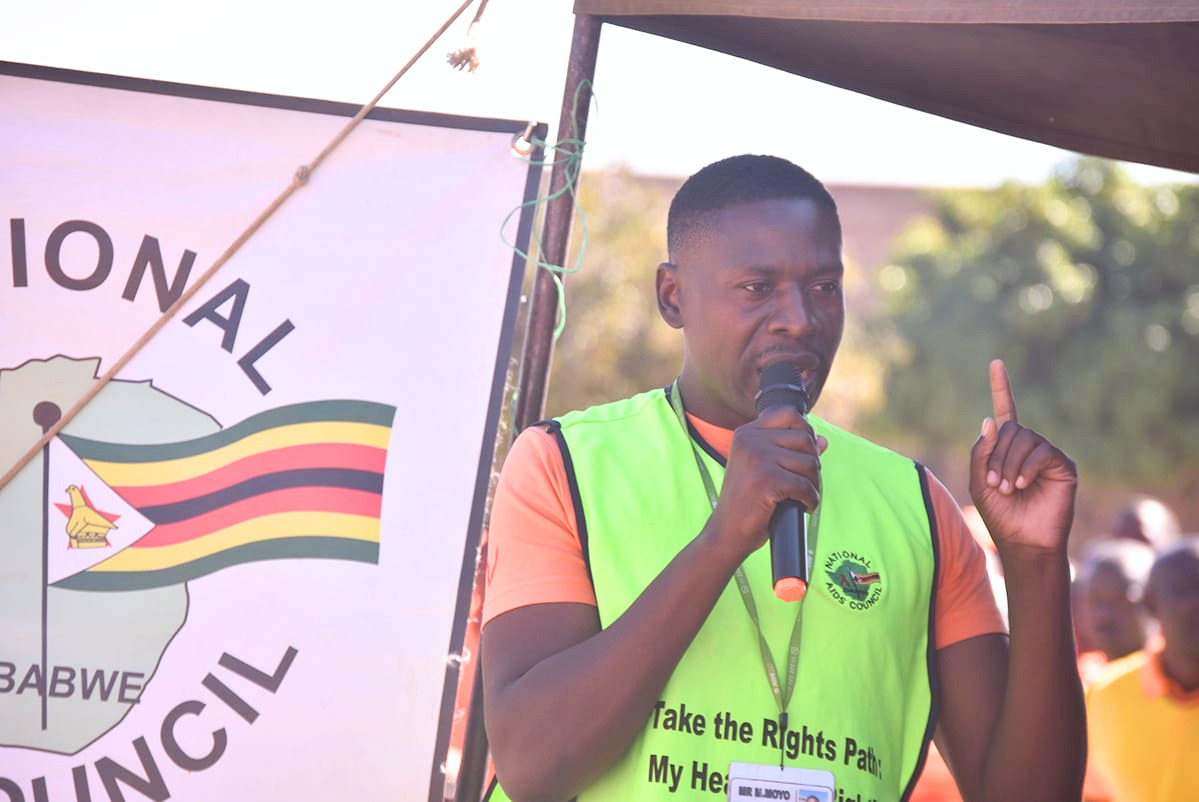
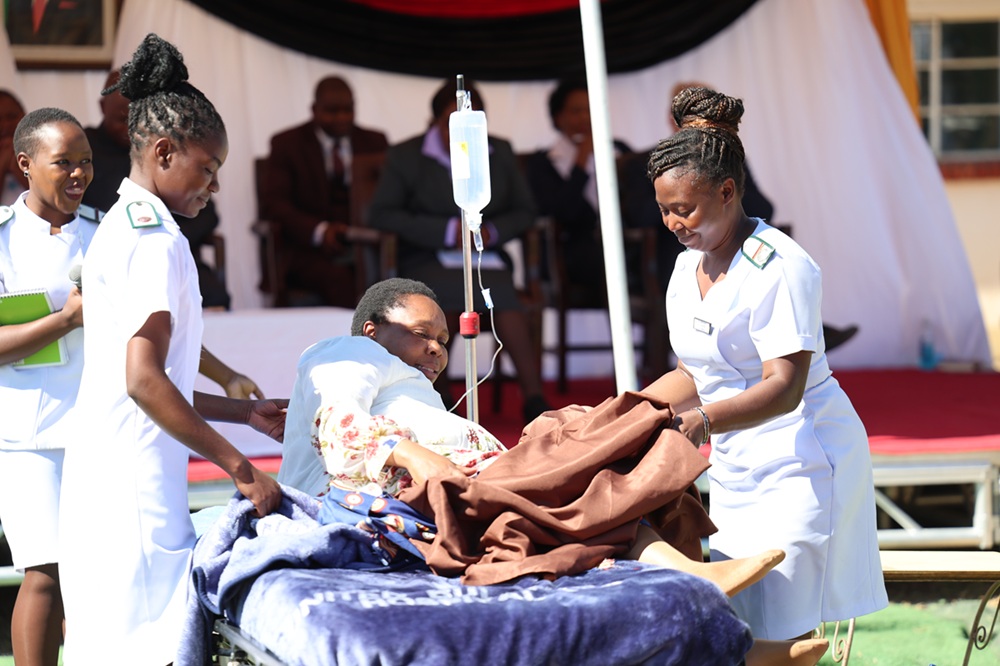
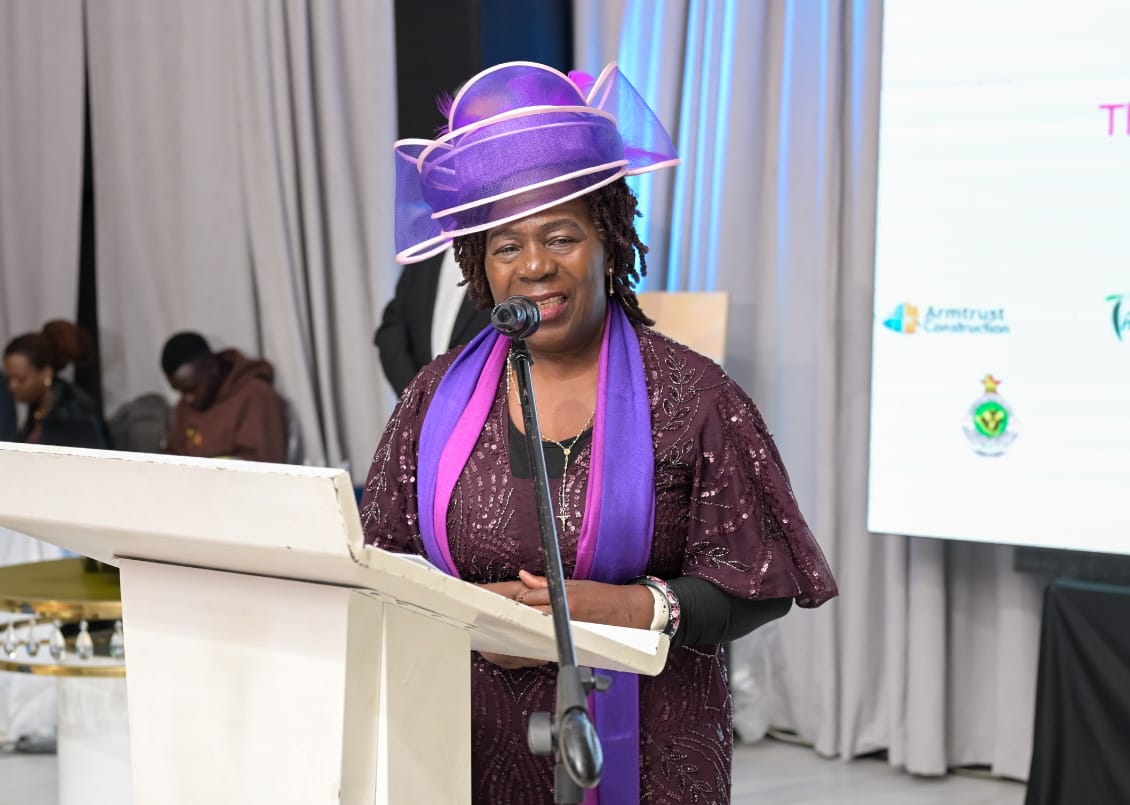
As Zimbabwe intensifies its efforts to eliminate obstetric fistula, stories like Sandra’s and Pedzisai’s shine a light on the resilience of women and the transformative power of accessible, timely healthcare. This year, Zimbabwe commemorated the 2025 International Day to End Fistula at Mashoko Hospital in Bikita, Masvingo. The event coincided with the obstetric fistula repair camp. The theme for this year’s celebrations was “Her Health, Her Rights, Shaping a Future Without Fistula.”
According to the Ministry of Health and Child Care (MoHCC), a total of 45 women are earmarked for surgery at Mashoko Hospital during the two-week-long camp. By May 23, 2025, 26 women had already been booked for surgery. These women come from all 10 provinces of the country.
Deputy Minister of Health and Child Care, Honourable Sleiman Kwidini, who was the guest of honour at the commemorations, said Zimbabwe has repaired over 1,800 women since 2015.
“Despite its devastating impact on the lives of girls and women, the prevention and treatment of obstetric fistula is still largely neglected in the developing world. It has remained a hidden condition because it affects some of the most marginalised members of the population: poor, young, often illiterate girls and women in remote regions of the world. Obstetric fistula has been described as the most devastating birth injury women face,” said Hon. Kwidini.
Although Zimbabwe is yet to establish the full magnitude of the condition, a first assessment conducted between 2014 and 2015 revealed that many women were suffering in silence.
“The first assessment that was conducted before the commencement of the camps at Chinhoyi Provincial Hospital in 2015 only yielded 88 cases. At this camp, more than 60 patients were repaired. This prompted government and partners to go deeper and raise awareness, leading to more hidden cases being uncovered and over 1,800 women getting help,” said Dr. Chipo Chimamise, the National Maternal Health Officer in the Ministry of Health.
The Ministry of Health and Child Care has so far capacitated six hospitals to conduct surgical repairs for obstetric fistula. These include Mashoko Christian Hospital, Chinhoyi Provincial Hospital, Mutambara Mission Hospital in Manicaland, Morgenster Mission Hospital in Masvingo, Chidamoyo Mission Hospital in Mashonaland West, and the United Bulawayo Hospitals. Since 2015, more than 1,800 women have benefited from surgical repairs.
Zimbabwe, through the Ministry of Health, is expanding access to surgical repair services with support from partners such as Artemedis, the Fistula Foundation, and the United Nations Population Fund (UNFPA). Each quarter, the camps aim to repair between 30 and 45 women.
Meanwhile, Dr. Peter Mukasa, who represented UNFPA Country Representative Miranda Tabifor, said obstetric fistula was a major contributor to the country’s high maternal mortality rate.
“Obstetric fistula remains a huge problem affecting women and girls and is very strongly linked to the high maternal mortality rate, which is currently at 362 per 100,000 live births. This means that every day in Zimbabwe, almost 45 women die from pregnancy-related complications. But for every woman who dies, 20 to 30 experience complications,” said Dr. Mukasa.
Currently, the repairs in Zimbabwe are mainly being conducted by expatriate doctors who are also mentoring local surgeons. Already, some Zimbabwean doctors have been certified to conduct fistula repairs independently.
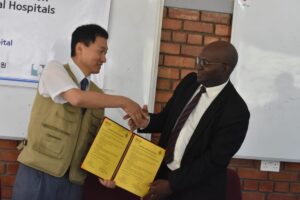
Bwalya Chomba, the Program Director for the Fistula Foundation, an organisation funding Artemedis to conduct fistula repairs in Zimbabwe, said it was impossible to eradicate obstetric fistula without collaboration.
“Fistula is not just a medical condition. It is a stark reminder of the disparities that still plague our world. Yes, it is also a challenge we can overcome through courage, collaboration and compassion. This statement emphasises the pressing necessity to protect and prioritise the health of women and girls, positioning them at the heart of all actions to eradicate obstetric fistula. It underscores the foundational connections between advancing gender equality, safeguarding women’s health, and fostering equity,” said Chomba.