By Staff Reporter
The Women’s Coalition of Zimbabwe (WCOZ) last week convened a high-level indaba in Harare to deliberate on the proposed Climate Change Management Bill, a piece of legislation that seeks to provide a comprehensive framework for Zimbabwe’s response to climate change.
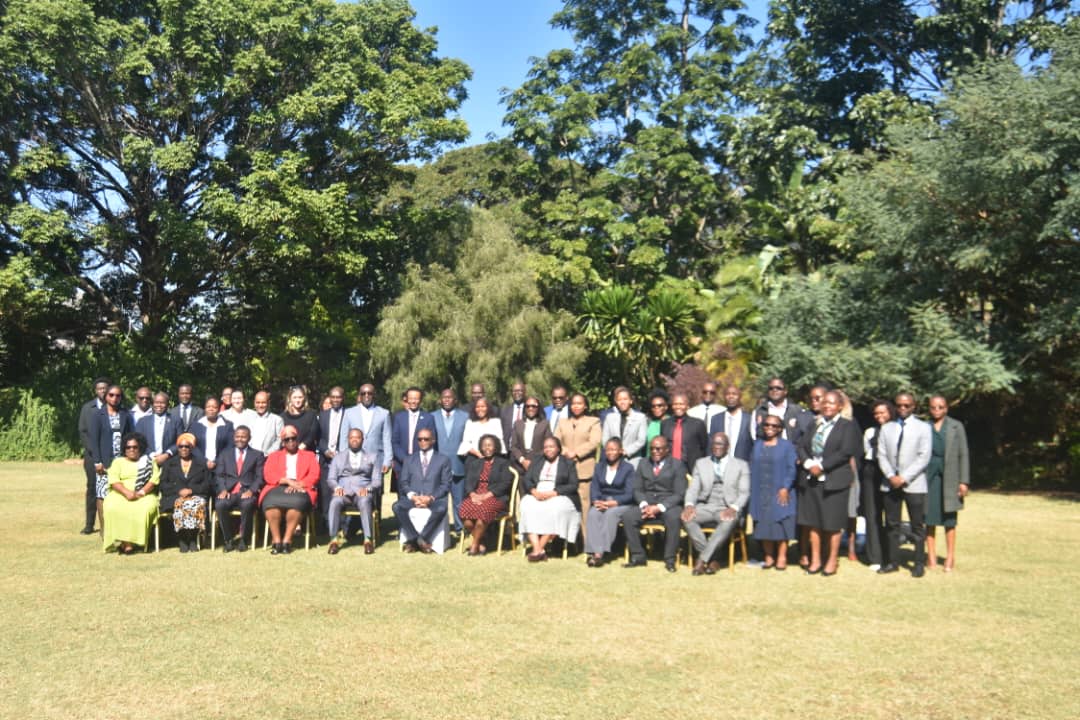
The gathering brought together civil society, legal experts, government stakeholders and grassroots representatives to scrutinise the bill with a particular focus on its gender implications.
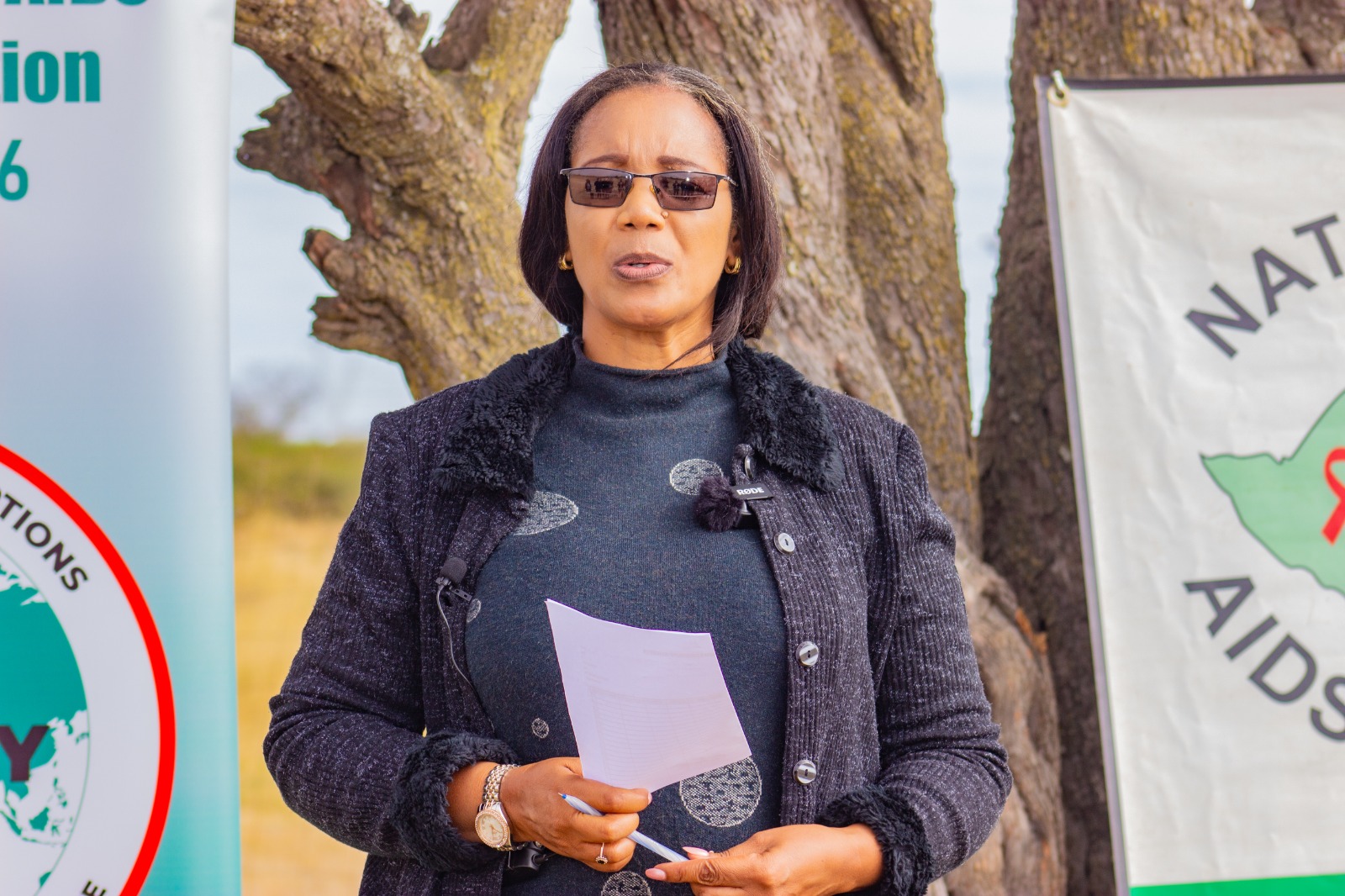
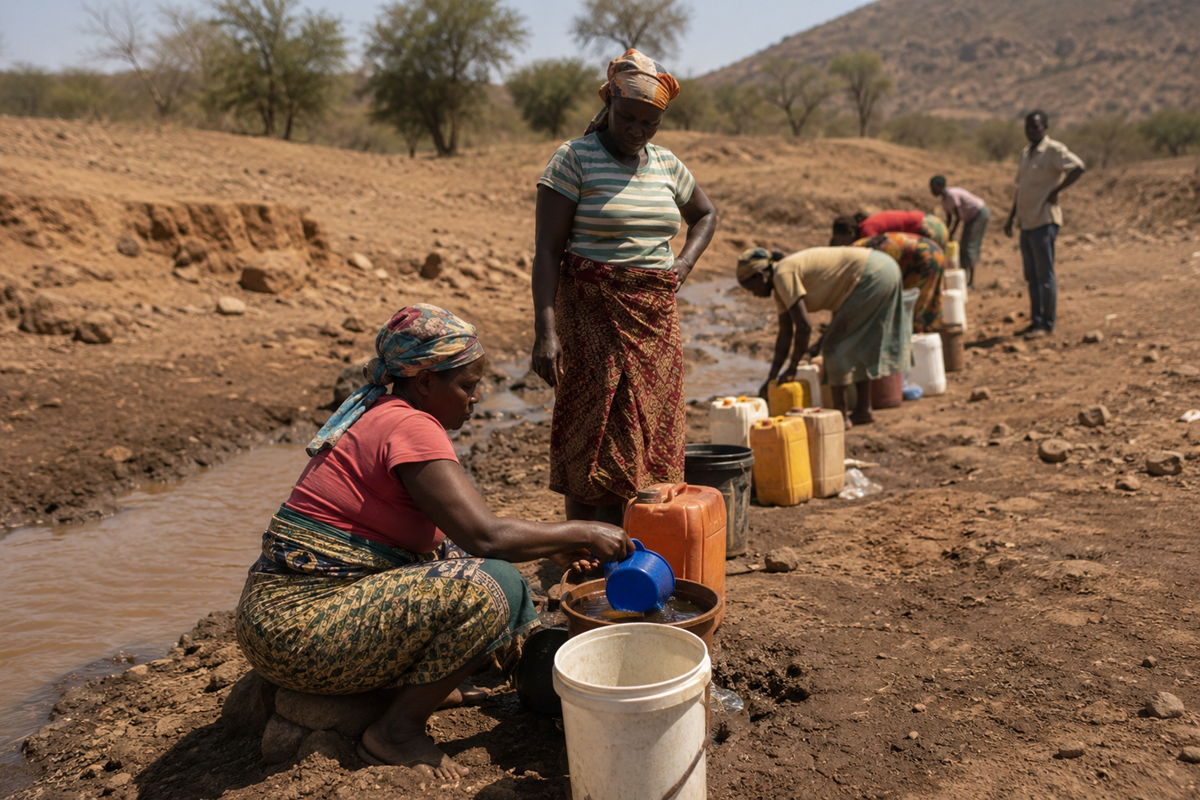
Speaking at the indaba, Caroline Mutimbanyoka said the coalition’s interest in the bill was rooted in the reality that women and girls are disproportionately affected by climate change. She explained that in many parts of Zimbabwe, women bear the burden of securing water, firewood and food for their families, responsibilities that become heavier as the climate crisis deepens. Mutimbanyoka said WCOZ saw the indaba as a platform to ensure that women’s voices and experiences are reflected in the lawmaking process.
She added that the coalition’s position was not only about highlighting women’s vulnerabilities but also about recognising their agency in climate action.
Women are not just victims of climate change, they are key actors in adaptation and resilience building,” she said.
She emphasised that the bill should make provisions that empower women with resources, access to land, and participation in decision-making structures.
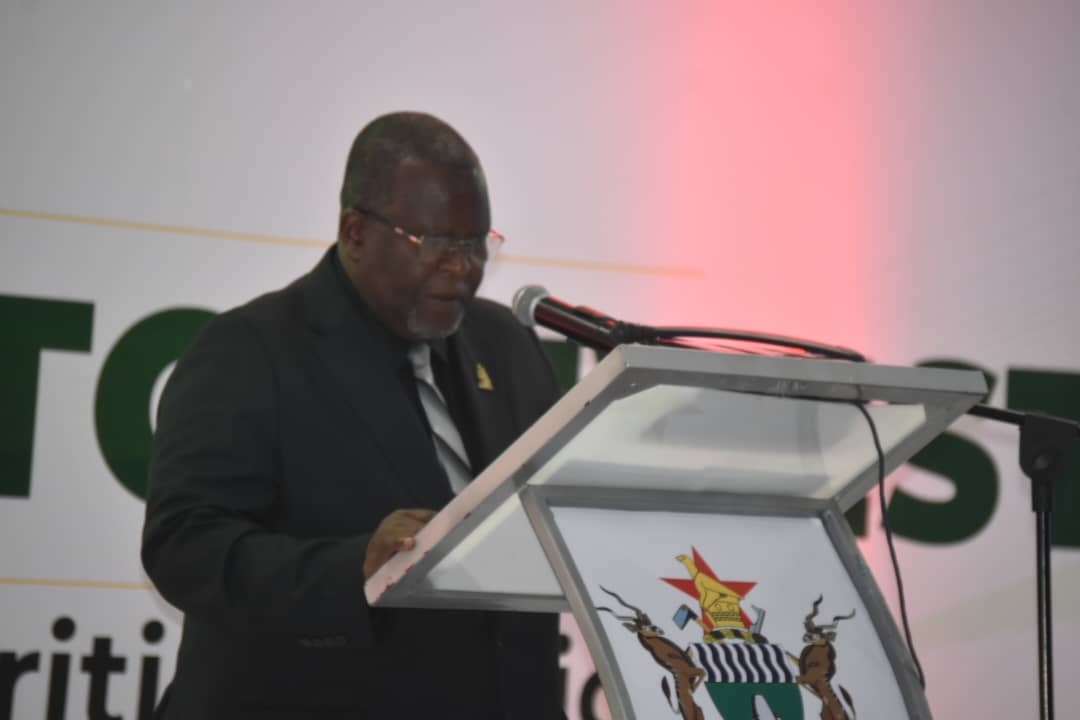
The indaba also featured a presentation by Manele Mpofu of the Zimbabwe Environmental Law Organisation (ZELO), who unpacked the structure and key provisions of the bill. ZELO is a public interest law organisation that works extensively on climate change, energy and environmental justice.
Mpofu explained that ZELO had previously engaged the Ministry of Environment during the stakeholder consultations leading to the formulation of the bill.
“Women are among the most vulnerable groups to the effects of climate change. In rural areas, where livelihoods are predominantly tied to agriculture, women often lack secure land ownership yet carry the bulk of farming and caregiving responsibilities,” said Mpofu.
He added droughts, shrinking water resources and environmental degradation therefore place a heavier burden on them. He also stressed the importance of recognising intersectionality in climate change impacts, noting that women living with disabilities face compounded risks.
Mpofu said the Climate Change Management Bill is anchored on eight guiding principles, among them mitigation, adaptation, financing, sustainable development, equity and justice. These principles draw from Zimbabwe’s Constitution, particularly Section 73, which enshrines the right to a clean, safe and healthy environment for current and future generations. The bill also incorporates international commitments such as the Paris Agreement and regional frameworks under the African Union.
While the bill speaks to mitigation through a gradual shift to cleaner energy sources and adaptation that includes diversification of livelihoods and adoption of drought-resistant crops, Mpofu warned that implementation remained uncertain.
He pointed to the persistent challenge of financing, noting that developed nations had pledged 100 billion US dollars annually to support developing countries under the Paris Agreement but those commitments had not been met.
He further explained that the bill requires climate change to be mainstreamed into national and local development planning. Village assemblies, ward development committees and rural district councils are expected to integrate climate concerns into their environmental action plans. This ensures that climate planning is not only a top-down process but also informed by community realities. The bill also mandates climate considerations in Environmental Impact Assessments for projects such as mining, irrigation schemes and infrastructure development, a provision that could help curb environmentally destructive practices if properly enforced.
Another key provision is the framework for carbon trading through the establishment of a Designated National Authority which will regulate carbon markets. This follows the gazetting of Statutory Instrument 48 of 2025 on carbon trading. The authority will oversee registration, compliance and enforcement around carbon credits. However, questions remain on whether ordinary citizens and vulnerable groups will equitably benefit from proceeds of carbon markets. The bill further obliges entities to report greenhouse gas emissions in line with Zimbabwe’s commitments under the United Nations Framework Convention on Climate Change, with penalties for non-compliance, though concerns were raised about whether regulatory institutions have the capacity to monitor powerful industries such as mining.
Participants at the indaba underscored the need for the bill to be gender-responsive and socially inclusive. They stressed that laws must not only exist on paper but also be translated into practice that protects vulnerable communities. A WCOZ representative said climate change is already intensifying inequalities and the bill must deliberately address gendered vulnerabilities, provide safeguards for persons with disabilities and ensure that local communities are not excluded from decision-making processes.
The Climate Change Management Bill is widely seen as a landmark step in aligning Zimbabwe’s governance with international climate frameworks. With the country experiencing recurrent droughts, floods and cyclones, the urgency of a robust legal framework cannot be overstated. Mpofu concluded that the bill has the potential to be a tool for justice, resilience and sustainable development but its success will depend on inclusive implementation, adequate financing and strong political will.