By Kuda Pembere
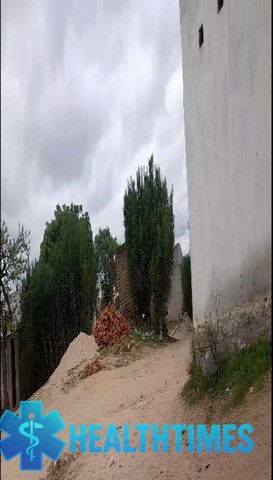
In the border town of Nyamapanda, about 240 kilometres north-east of Harare, a narrow footpath winds quietly into Cuchamano, on the Mozambican side of the border. The track begins just after Nyamapanda Clinic and winds toward an unofficial crossing used by those avoiding the main border post. Motorcycles and bicycles are a common sight as we approach the point, roughly 1.5 kilometres from the clinic. It is along this thin strip of land, reachable only by motorcycle, bicycle or on foot, that an unsanctioned network of runners, petty traders and complicit security officers has built an underground corridor for smuggled medicines.
What moves through this path is cheap, receipted but unregistered medicine by Zimbabwean authorities. The medicine is often labelled in Portuguese. Some of it may be harmful, and yet, for communities where formal pharmacies are either expensive or understocked, these products have become a lifeline.
Unregistered or unlicensed medical products are medical products that have not undergone evaluation and/or approval by the national or regional regulatory authority for the market in which they are marketed/distributed or used, subject to permitted conditions under national or regional regulations and legislation
A HealthTimes investigation tracked the movement of drugs and documented the bribes paid at illegal checkpoints, which have resulted in revenue loss on the Zimbabwean side. What emerged was a shadow market that drains public revenue while placing thousands of patients at risk.
A price gap that reveals tax evasion
The first sign of the huge anomaly lies in the pricing.
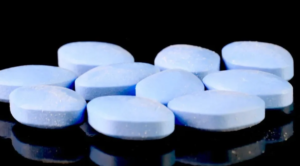
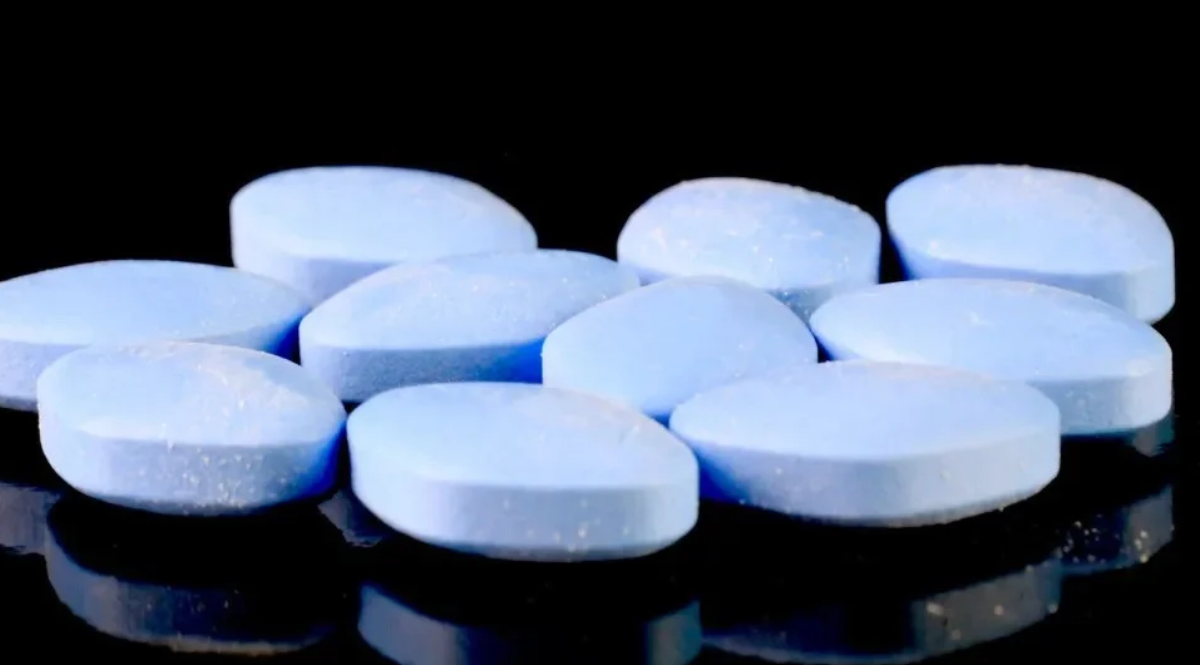
Online research reveals that in Maputo and another major Mozambican cities, a box of 100 Brufen (10 strips with 10 tablets) 400 MG tablets costs between US$10 and US$28.
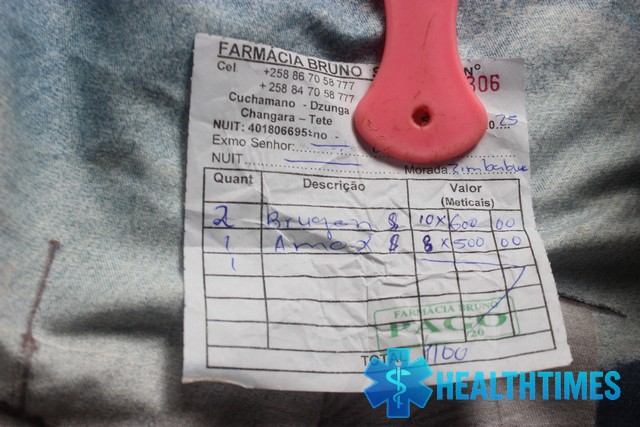
In Cuchamano, just a few kilometres from Nyamapanda, that same box costs only US$5, complete with a printed receipt. The town has therefore turned into a preferred sourcing point of medicine often sold under the radar in Zimbabwe. The medicine, as this investigation established, is cheap, legal at face value and easy to access.
Once smuggled into Zimbabwe through the informal crossing, the box, acquired for US$5, fetches between US$10 and US$15 in Nyamapanda and Mbare, Harare. With no pharmacies in sight at Nyamapanda centre, shops sell a strip of 10 Brufen and Diclofenac at US$1.
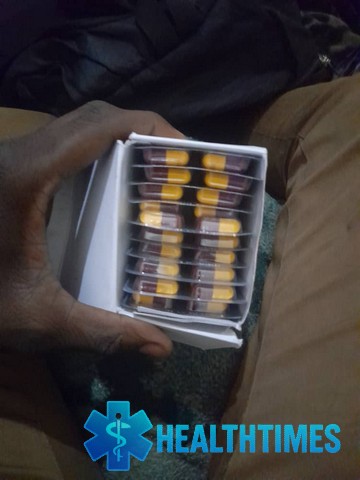
A strip refers to the common blister packaging used for tablets. It is a thin foil and plastic sheet holding individual pills in sealed pockets. In this case one strip contains ten tablets. A box has 10 strips.
On the Zimbabwean side though, the price is arrived at after total evasion of customs duty and VAT.
From the Zimbabwe Revenue Authority (ZIMRA) website, customs Duty is levied on imported goods in terms of the Customs and Excise Act [Chapter 23:02], while Excise Duty applies to certain locally manufactured goods and selected imports listed under the Excise Tariff, even where those goods enter under trade agreements. In addition to customs duty, imported goods are also subject to Value Added Tax in terms of the Value Added Tax Act [Chapter 23:12]. VAT is charged at a standard rate of about 14.5 percent on the value assessed for tax purposes. That value includes the declared cost of the goods plus any customs duty payable, effectively compounding the tax burden at the point of entry.
This means most legally imported goods attract both customs duty and VAT, resulting in a combined tax burden of roughly 25 to 30 percent or more of the declared value, depending on the product classification. A legitimate importer declaring a box of 100 Amoxicillin tablets at US$8 could therefore face tax charges of approximately US$2.40 per box. When the same medicines are brought into Zimbabwe through informal routes and remain undeclared, this revenue is entirely lost to the national purse, turning small scale smuggling into a persistent source of illicit financial flows.
According to Patrick Munamba, chairperson of Community Pharmacists Association of Zimbabwe, taxes are paid depending on the medicine class. “Chronic medicines are not taxable by Zimra. For non-chronic there is a tax levied on import and MCAZ, yes you pay to get import and verification of product,” he said.
A biker who buys at US$5 and sells at US$10 earns a clean US$5 profit. For Zimbabwe, the revenue loss is automatic and absolute.
James, the biker who assisted in the investigation, laid it out clearly.
“If you want to make loads of cash as a transporter and a runner, sell medicines,” he said.
Through the underbelly of two checkpoints
On 5 December at around 9am, I travelled with James from Nyamapanda to Cuchamano. At the first illegal checkpoint on the Zimbabwean side, three soldiers and two police officers stood guard with rifles. One soldier approached, asked my name and why I was travelling. I gave a fake name and said I was buying relish for supper. No passport was requested. James handed over US$2 and we were allowed through.
Because I was an extra passenger, they demanded US$5. They refused to return the US$1 change, insisting it covered both directions.
At the illegal Mozambican checkpoint, two officers sat under a small tent. One asked about our business. James slipped him 80 meticais (US$1.25) The officer took the money and waved us on.
James later translated.
“The police were asking what our business was. I told them we had gone to get some relish for the night. You have to be clever with these police officers,” he said.
On our return, a different Zimbabwean soldier asked what we had brought. I was holding chicken cuts and five soft drinks. They asked for some drinks and we gave them.
We were allowed to cross without further questions or being searched.
James explained the pattern.
“They check the luggage rack and passenger seat. If you do not hide your things well, then you may get into trouble with them.”
James explained that if one is caught with medicine at security check points, both on the Zimbabwean and Mozambiquan side, they security officials manning the illegal crossing points demand more money.
What the official route looks like
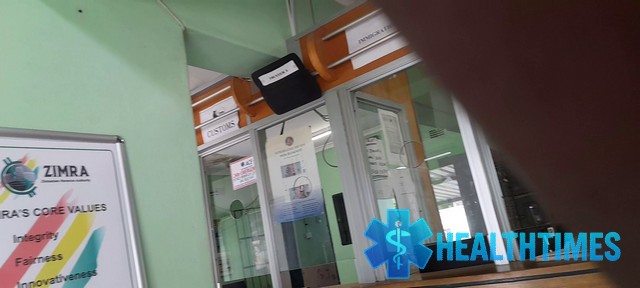
To understand the legal route, I first crossed through the main border gate from the Zimbabwean side a day earlier. Immigration officers, port health staff, police officers, soldiers and Volsec guards were manning the post.
For locals like James, a passport is not needed to cross into Mozambique. One just needs to collect a gate pass issued by immigration officials. Because this reporter was travelling with James, who is well known at the border, a gate pass was issued without questions.
Locals and customs agents however said medicine smugglers prefer using unofficial entry and exit points, instead of the formal border post.
On the Mozambican side, officers checked how many people were in the vehicle and one of them casually asked for a bottle of water.
Because we were buying medicine from a pharmacy, the process was easy like buying bread. The pharmacy issued a receipt in meticais allowing us to move back into Zimbabwe.
Locals from Nyamapanda and surrounding areas carrying prescriptions and medicine have no problems at the legal checkpoint known as the Gedhi or Gate. Most of the people using the formal entry point carry medicine for their consumption and not for commercial purposes.
But this was not the route that feeds Zimbabwe’s informal market – the bush path is the smugglers’ gateway.
A system that runs without pause
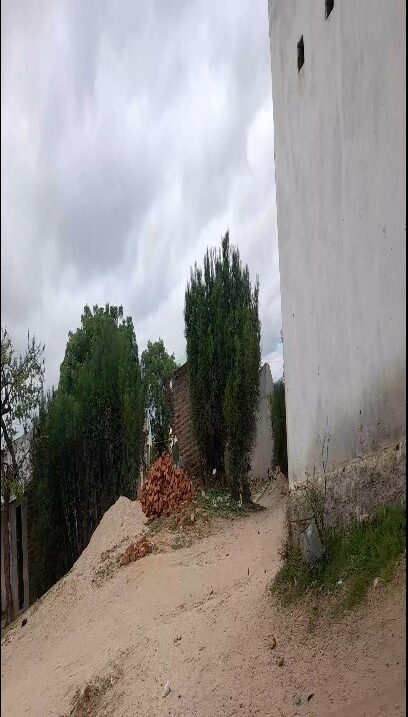
James prefers travelling alone to create space for goods. The previous day, I was posing as a runner, where he crossed with a box hidden beneath a motorcycle tyre pump.
“When you give them a dollar for a drink you are sorted,” he said. “Be careful to bring the money in loose US$1. If you give them US$5 or US$10, do not expect change,” he said.
“Deals like these (smuggling) are better at night because I am able to move more volumes. If there are many medicines, I use a big cardboard box like one for a carton of cooking oil. I put biscuits on top as cover. When they ask what is inside, I just show them the biscuits.
“But if caught, they will demand more bribes depending on what you are carrying and it is US$20 and upwards.
As part of my investigation, he transported three boxes worth US$18 to Nyamapanda. In the box were two of Ibuprofen 400MG (US$5 per box) and another of antibiotics Amoxicillin worth US$8.
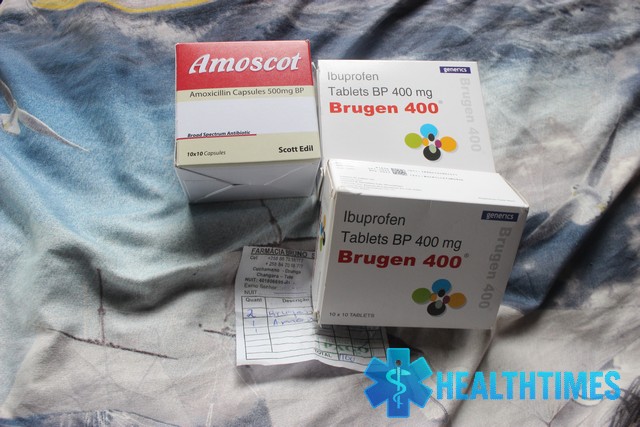
“There are many medicines which can double your profit. Medication worth US$5 in Mozambique can fetch US$10 in Zimbabwe,” he said.
“For example, antacids that cost US$5 in Mozambique are US$13 to US$15 here in Nyamapanda and Kotwa.”
James supplies some Harare dealers, including a woman who regularly a full carton of mixed medicines. Some of the medicines is sold in unregistered tuckshops throughout Harare and in suburbs such as Mbare.
He revealed that the Zimbabwe Revenue Authority (Zimra) deploys drones in the Nyamapanda area to curb smuggling.
He however said the smugglers have devised strategies to avoid detection.
Small bikers and a national loss
James often carries about US$50 worth of medicine per trip. At Cuchamano prices, that is around 10 boxes of Brufen 400 MG at US$5 each. He is one of hundreds of bikers in Nyamapanda.
If only 10 bikers make similar trips daily, about 100 boxes enter Zimbabwe each day through a single footpath.
With US$2.40 lost per undeclared box, Zimbabwe forfeits roughly US$249 a day, US$7,200 a month and US$86,400 a year from this one route and one product only.
While the total loss cannot be calculated in the absence of complete figures, the loss is far higher given the large number of people involved in smuggling. Fuel, cement, cooking oil, rice, antibiotics, antacids and even motorcycles move through the same paths.
The World Trade Organiation estimates indicate that illicit trade in medical products accounts for between 1.3 percent and 4.2 percent of global pharmaceutical trade, or roughly US$9 billion to US$28 billion each year. Zimbabwe’s informal medicine corridors, like the Nyamapanda route, feed directly into this global illicit economy by enabling the undeclared movement of medicines, systematic tax evasion and the leakage of public revenue that should be funding health services and regulation.
“Measuring illicit trade is challenging but WTO estimates indicate that illicit trade in medical products constitutes between 1.3 per cent and 4.2 per cent of global trade in the sector,”a 2022 WTO working paper states.
Laws that exist but are ignored
Zimbabwe’s regulations are strict. Only licensed importers with MCAZ approved permits may bring in medicines. According to the Medicines and Allied Medicines Control Act (MASCA) Section 5, only designated points such as Harare Airport, Bulawayo Airport, Harare Customs, Beitbridge, Plumtree and Forbes are authorized for medicine imports.
“No importations through unregistered ports of entry like Kariba, Nyamapanda and Chirundu shall be sanctioned,” the MCAZ guidelines state.
Citing Statutory Instrument 57 of 2008, MCAZ public relations officer Mr Davidson Kaiyo said “Nyamapanda is not a designated entry point.”.
He said medicine entering through informal paths are legally subject to seizure. He confirmed that smuggling of medicines was occurring but said efforts to curb the practice were underway.
“To curb this challenge, the MCAZ conducts raids with the ZRP (Drugs and Narcotics Division) and other law enforcement agents, such as Health Port, ZIMRA, and intercepts counterfeit medicines at borders and other illicit markets where medicines will be sold,” Kaiyo said.
“The Authority also conducts regular inspections at pharmacies and wholesalers to ensure compliance with the law. Those caught on the wrong side of the law are referred for prosecution, and the medicines are confiscated. The Authority also trains these stakeholders to be able to enforce the medicines regulations.”
Our investigation however established that routine bribery defeats that purpose.
The human cost behind the profit
Residents rely on the contraband because formal pharmacies in Nyamapanda, Kotwa and surrounding areas are expensive. Some locals also believe Mozambican products are stronger.
“The Mozambican brands are said to be more efficacious. My sister took them and she quickly recovered,” James said.
But there is no guarantee. Unregistered medicines transported illegally are not properly stored or temperature controlled. People risk consuming weak, counterfeit or dangerous products. The footpath between Nyamapanda and Cuchamano is therefore a lifeline that also carries real danger.