By Kuda Pembere in Norton
Zimbabwe has launched its National Health Strategy (2026-2030), a five-year blueprint aimed at strengthening the country’s health system, expanding access to quality healthcare and accelerating progress towards universal health coverage.
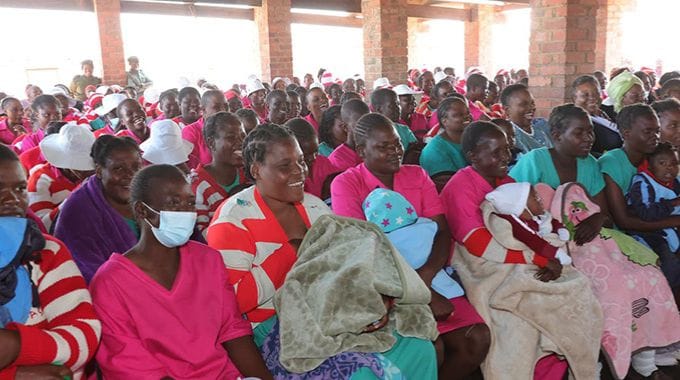
Launching the strategy at Norton Hospital on Thursday, Minister of Health and Child Care Dr Douglas Mombeshora said the plan builds on the gains made under the National Development Strategy 1 (NDS1) while aligning the health sector with priorities set out in National Development Strategy 2 (NDS2).
“The National Health Strategy 2026-2030 builds directly upon the progress made under the National Development Strategy 1 from 2021-2025, learning from our successes and shortcomings, and consolidates the health priorities identified in the National Development Strategy 2. It serves as our comprehensive roadmap to accelerate progress towards universal health coverage, a goal that is central to our national development agenda and our commitment to leaving no one behind,” said Dr Mombeshora.
He credited President Emmerson Mnangagwa’s leadership for placing health at the centre of national development.
“Allow me to begin by expressing my deepest gratitude to His Excellency, the President, Comrade Dr E.D. Mnangagwa, for his unwavering leadership and vision for a prosperous, healthy nation. His commitment to placing health at the center of national development continues to guide our work,” he said.
The strategy comes at a time when Zimbabwe’s health sector is facing growing financing pressures amid declining donor support.
Dr Mombeshora said government health spending has consistently remained below the Abuja Declaration target of allocating at least 15 percent of the national budget to health, while households continue to shoulder a significant share of healthcare costs.
“Health financing remains a major constraint, with domestic funding low and volatile. Government health expenditure as a percentage of total general government expenditure has consistently remained below the Abuja target of 15 percent. Heavy reliance on donor funding, which fluctuates, and high out-of-pocket payments by households, which stood at 27.8 percent in 2023, expose families to catastrophic health expenditures and impoverishment.
“Budget execution is poor, with facilities receiving less than 50 percent of their allocated budget,” he said.
Among its key priorities, the National Health Strategy seeks to sustain gains made in reducing maternal mortality and controlling HIV, tuberculosis and malaria, while intensifying efforts to reduce neonatal deaths and eliminate paediatric HIV.
It also prioritises addressing shortages of health workers, strengthening health infrastructure, improving access to medicines and medical equipment, and increasing domestic financing for the health sector.
The strategy targets the creation of 32,000 additional health worker posts by 2030 to improve staffing levels and boost the resilience of the healthcare system.
“We will invest significantly in our most precious resource, our health workforce, doubling its size, improving its skills and enhancing its retention,” said Dr Mombeshora.
He also said progress is being made towards establishing the National Healthcare Provision Programme, formerly known as the National Health Insurance scheme, alongside the development of a health financing strategy to increase domestic investment in healthcare.
World Health Organization (WHO) Representative to Zimbabwe Dr Desta Tiruneh reaffirmed the organisation’s commitment to supporting implementation of the strategy.
“Guided by the WHO Country Cooperation Strategy, we will continue to provide technical expertise, strengthen institutional capacity, facilitate knowledge sharing and work closely with partners to mobilise the resources required to achieve the ambitious goals of the National Health Strategy 2026-2030,” he said.
Representing the Health Resilience Fund (HRF), Dr Jo Rooney urged the Government to increase domestic health financing and honour commitments to strengthen the health workforce.