By Michael Gwarisa
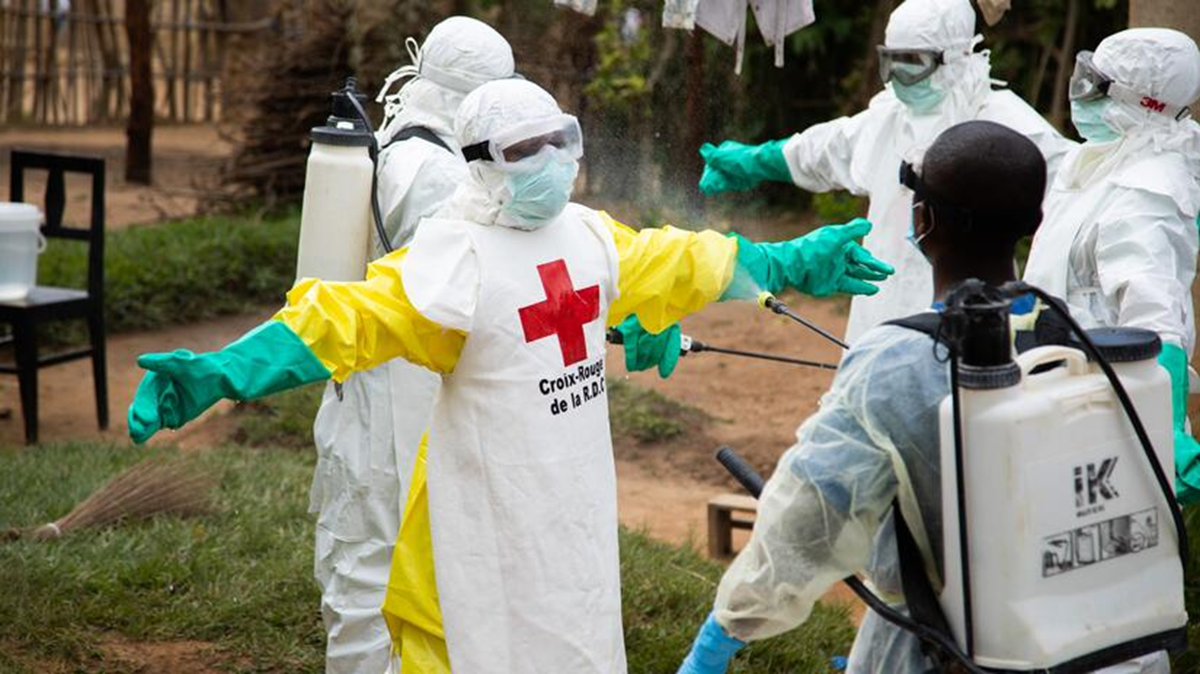
The Democratic Republic of Congo’s Bundibugyo Ebola outbreak is accelerating at an alarming pace, with infections surging by 25% in just one week as the Africa Centres for Disease Control and Prevention (Africa CDC) warned that the virus is spreading faster than response efforts can keep up.
The continental public health agency said the outbreak has now reached 1,759 confirmed cases and 600 deaths as of July 7, following 353 new cases and 162 deaths recorded over the past week alone. The latest figures represent a 25% increase in infections compared to the previous reporting period, making it the fastest-growing Ebola outbreak ever recorded on the continent.
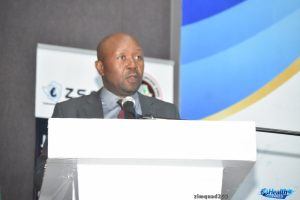
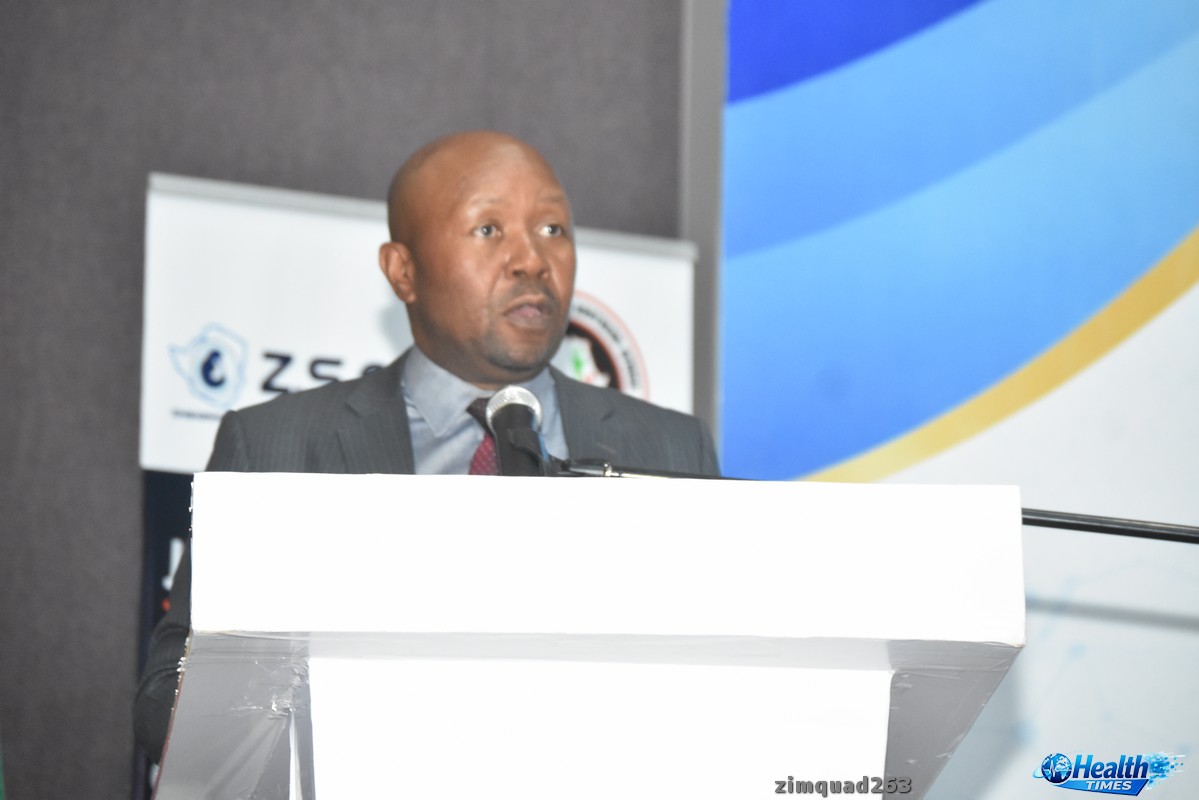
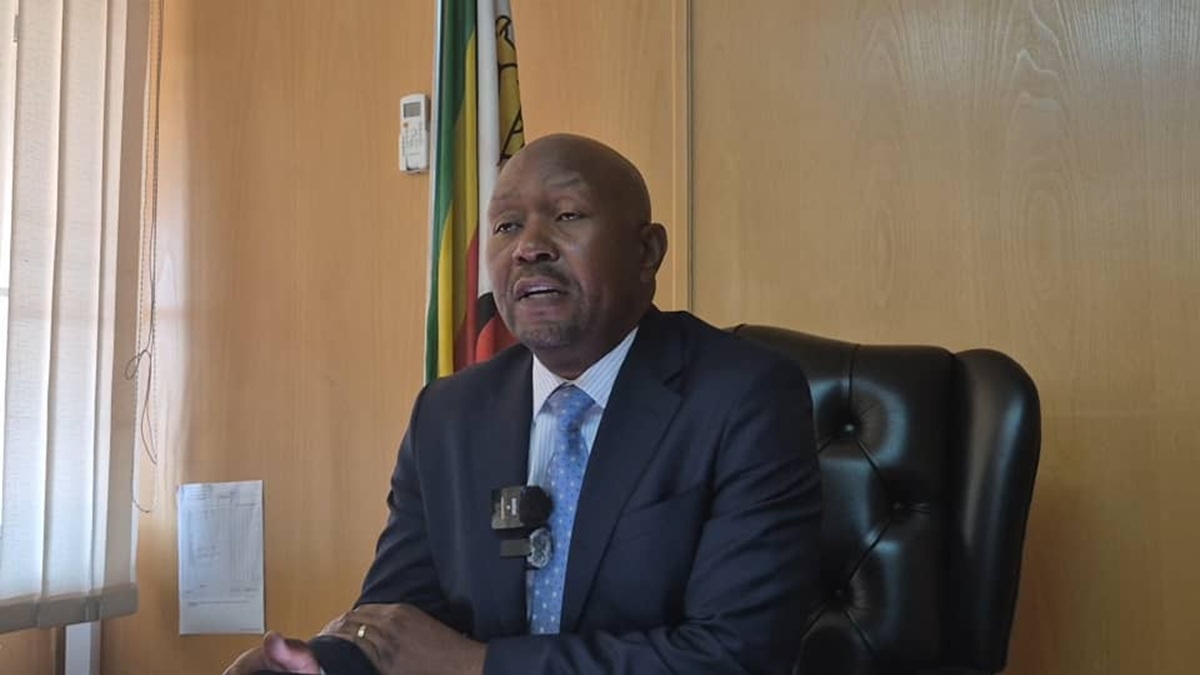
Speaking during Africa CDC’s weekly press briefing on Thursday, Director of the Centre of Public Health Emergency, Dr. Wessam Mankoula, warned that although opportunities to contain the epidemic still exist, the outbreak continues to expand faster than the response.
“We continue facing the fastest-growing Ebola outbreak ever on the continent. However, the window of opportunity is still open,” Mankoula said.
He said Africa CDC and its partners have made progress by increasing laboratory testing capacity to more than 2,000 tests per day, operationalising a cross-border response between Uganda and the DRC, and launching clinical trials for Ebola therapeutics. However, these gains are being overshadowed by the rapid rise in infections.
“We have around a 25% increase in the number of cases reported this last week,” he said, adding that Ebola treatment units are operating at approximately 95% bed occupancy, while contact tracing remains far below target, with only one confirmed case linked to seven identified contacts.
The outbreak has also taken a heavy toll on frontline health workers. Africa CDC reported that 112 healthcare workers have been infected, with 35 dying while responding to the outbreak, underscoring the dangers faced by medical personnel battling the virus.
According to Africa CDC, the current Bundibugyo Ebola outbreak is expanding more rapidly than both the 2014 West Africa Ebola epidemic and the 2018 North Kivu outbreak during their first six weeks. The current epidemic recorded 1,596 cases over the same period, compared with 994 cases during the West Africa outbreak and 378 cases during the North Kivu epidemic.
“And till now, we can say that unfortunately, the virus is still ahead of our response. It’s moving faster than deploying the resources to control the situation,” Mankoula said.
The agency warned that the outbreak remains on an upward trajectory, with the effective reproduction number (Rt) estimated at 1.4, meaning that every ten infected people are transmitting the virus to approximately 14 others. Africa CDC said the epidemic is currently doubling in size approximately every 28 days, signalling sustained community transmission.
The vast majority of recent infections continue to be concentrated in Ituri Province, which accounted for 94% of confirmed cases reported over the past 21 days. Four health zones—Bunia, Rwampara, Mongbwalu and Nizi—alone are responsible for 71% of the outbreak’s total burden.
Africa CDC also highlighted major operational challenges slowing containment efforts. Only 32.3% of confirmed cases originated from known contacts, far below the target of more than 95%, while only 82% of contacts are being actively monitored. More than 55% of patients are detected over 72 hours after developing symptoms, allowing continued transmission within communities before isolation.
Hospitals are also struggling to cope with the growing caseload. Although treatment capacity has increased to 795 Ebola treatment beds, 750 are already occupied, representing 94% occupancy, while facilities in North Kivu have exceeded capacity, reaching 137% occupancy. Africa CDC has called for an immediate 50% expansion in treatment bed capacity to prevent further spread of the virus.
Despite the worsening outbreak, there have been encouraging developments. Uganda has successfully contained its own Bundibugyo Ebola outbreak after recording 20 cumulative cases, with 17 recoveries, only one patient still receiving treatment, and 100% completion of contact follow-up, demonstrating that rapid surveillance, isolation and contact tracing can successfully interrupt transmission.
Meanwhile, Africa CDC said clinical trials evaluating potential Ebola therapeutics began on 2 July, more than 70 response experts have been deployed to affected areas, 4,000 community health workers are being trained for deployment across eastern DRC, and Uganda and the DRC have operationalised a joint cross-border response to strengthen surveillance and case management.
“We continue deploying senior experts to support the response,” Mankoula said. “The window of opportunity is still open, but we need to move faster than the virus.”