By Michael Gwarisa
A scabies outbreak has spread through Harare’s overcrowded informal settlements, with health authorities confirming 70 cases in Hopley and Stoneridge, raising fresh concerns about the health risks posed by rapid urbanisation and poor living conditions.
While the City of Harare recently alerted residents to the outbreak, HealthTimes has established that at least 70 cases have already been recorded, with transmission now reported across multiple sections of Hopley.
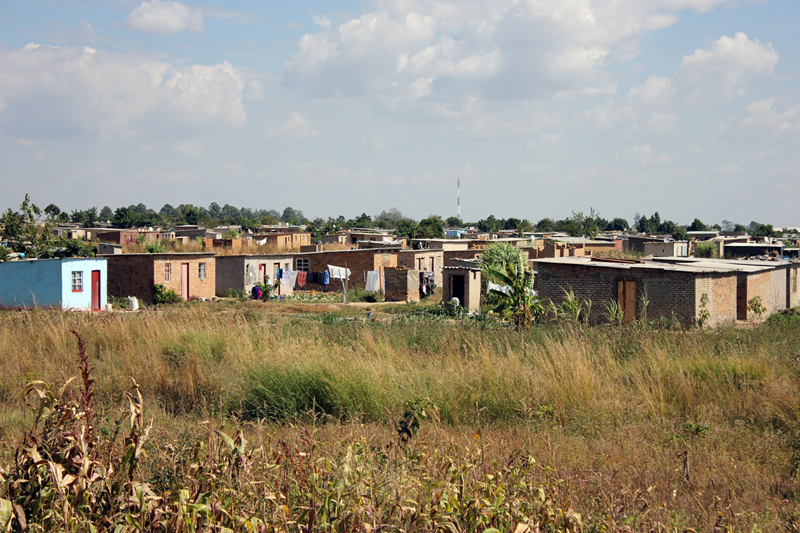
The outbreak comes as city authorities continue to grapple with severe overcrowding in the southern suburbs. Hopley alone is estimated to house around 9,000 households on approximately 7,410 primary stands and a further 1,500 additional stands, despite limited access to safe water, sanitation and other essential services. Public health experts warn that such conditions create an ideal environment for the spread of infectious diseases.
Speaking to HealthTimes, Harare City Health Department Deputy Director Dr Mike Vere confirmed that the outbreak began at a daycare facility before spreading into the wider community.
The first infections were detected at a home where parents leave their children during the day while they go to work. Following the initial cases, the city’s Rapid Response Team investigated the outbreak and implemented containment measures. However, new infections soon began emerging from different parts of Hopley and neighbouring Stoneridge.
According to Dr Vere, almost every zone in Hopley, from Zone One to Zone Six, has now reported cases, suggesting community transmission is already underway.
Health authorities are now conducting active surveillance, community education and other public health interventions aimed at containing the outbreak before it spreads to other suburbs.
Dr Vere urged residents experiencing symptoms to seek treatment immediately instead of attempting to manage the condition at home.
“We encourage residents who have symptoms to visit the nearest clinic. They should also wash their clothes, blankets and all bedding using hot water to help control the outbreak,” he said.
He added that people should seek medical attention if they develop intense itching, particularly around the hands, wrists, armpits and other body folds, which are among the areas commonly affected by the infestation.
The City of Harare has also urged households with infected members to ensure that everyone in the home receives treatment simultaneously to reduce the risk of re-infestation.
In a public health notice, council said the outbreak was first detected in mid-June 2026, with children under the age of 12 among those most affected.
Scabies is a highly contagious skin infestation caused by the microscopic mite Sarcoptes scabiei. The mites burrow into the upper layer of the skin, causing an allergic reaction that results in intense itching and a pimple-like rash.
The disease spreads primarily through prolonged skin-to-skin contact with an infected person. It can also be transmitted through the sharing of clothing, towels, blankets and bedding, particularly in crowded settings where many people live in close proximity.
Although anyone can become infected, outbreaks are more common in densely populated communities, schools, daycare centres, prisons and informal settlements where overcrowding makes transmission easier.
Health experts say preventing scabies requires a combination of early treatment and good hygiene practices. People are advised to avoid sharing clothing, towels and bedding, wash clothes and bed linen in hot water after treatment, maintain good personal hygiene and seek medical care as soon as symptoms appear. Close family members and other household contacts should also be treated, even if they have not yet developed symptoms, to break the cycle of transmission.