
By Kuda Pembere
The Health Professions Authority (HPA) has lost about 40 percent of its revenue following Government’s reduction of regulatory fees under its Ease-of-Doing-Business reforms, forcing the authority to introduce cost-cutting measures while maintaining its regulatory mandate.
In May this year, Government unveiled sweeping regulatory reforms that reduced fees, licences and compliance costs across key sectors as part of efforts to stimulate investment, industrial growth and job creation under Vision 2030.
In a statement, Finance, Economic Development and Investment Promotion Minister Professor Mthuli Ncube said the reforms, which had been approved by Cabinet, were intended to improve the ease of doing business, reduce bureaucratic bottlenecks and accelerate broad-based economic growth.
The reforms cover the manufacturing, financial, real estate and health sectors, which Government considers critical to economic transformation and private-sector expansion.
In the health sector, Government abolished HPA licence fees for pharmaceutical and manufacturing wholesalers and scrapped pharmacy licence fees charged by the Medicines Control Authority of Zimbabwe.
Licensing fees for hospitals and laboratories were reduced by between 20 and 30 percent, while pharmaceutical manufacturing licence fees were cut by 25 percent.
Government also reduced medicine registration fees and practising certificate fees for medical practitioners, with students exempted from the latter.
Private hospital approval letter fees were capped at US$100, while registration and practising fees for nurses, pharmacists, laboratory scientists and other health professionals were also reduced.
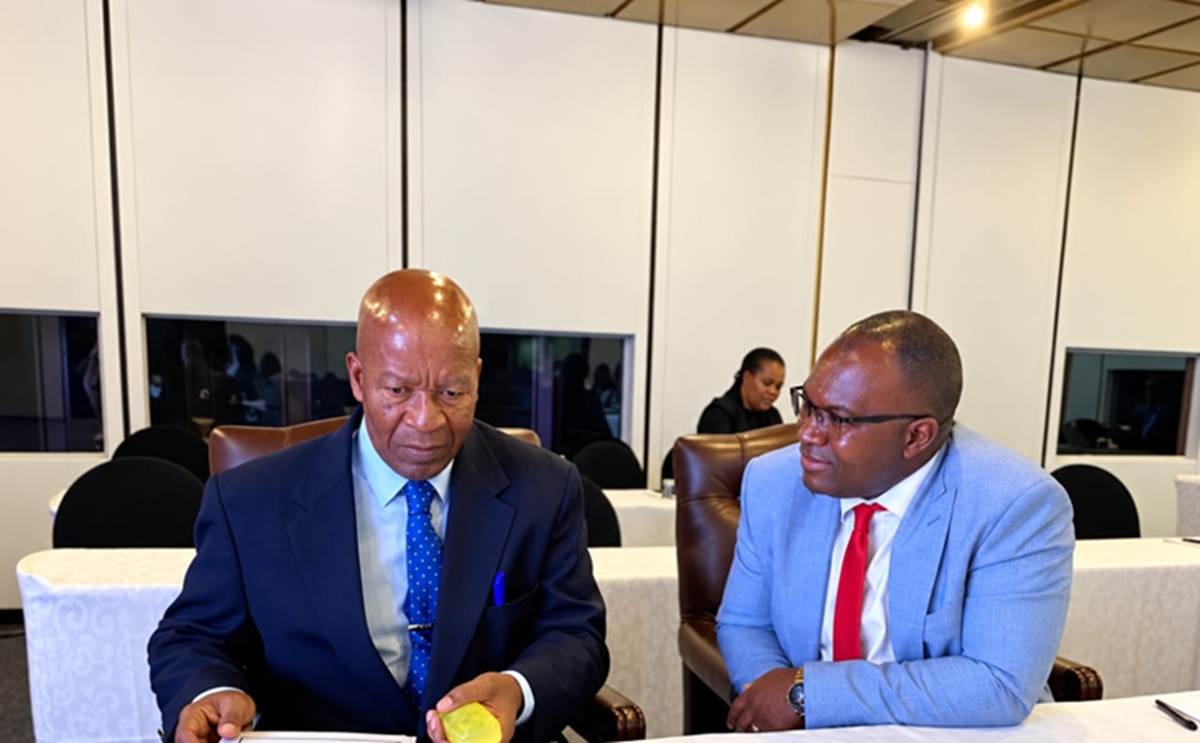
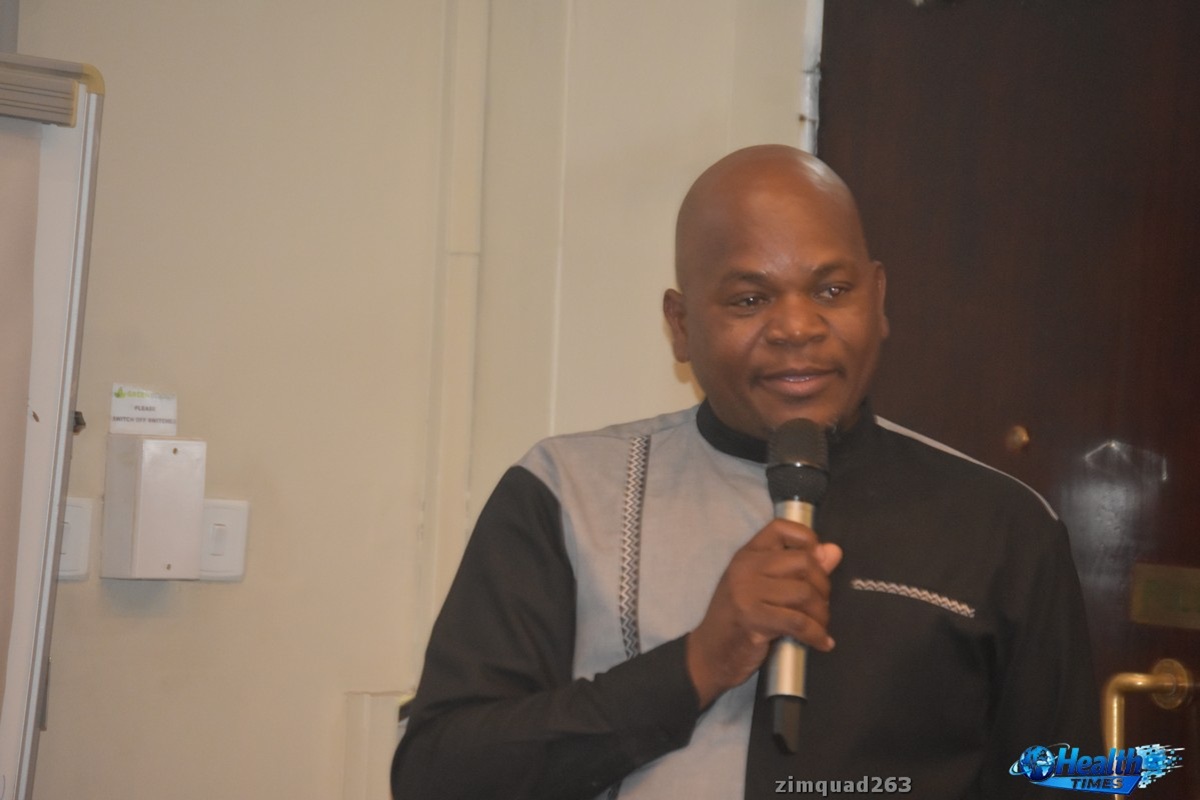
Addressing the HPA Annual General Meeting on Thursday, HPA president Dr Joconiah Chirenda said the authority would strengthen digitalisation to reduce operational costs and make it easier for health professionals and facilities to access certificates without travelling long distances.
“The first one is to continue and strengthen digitalisation so that people don’t have to travel all the way to get a certificate. It has reduced revenue with the reduced ease of doing business and reduction in revenue. Digitalisation will reduce operational costs.
“The Authority to take on its umbrella role of standardising across councils where possible. I can assure you as you listen to the three councils that are going to present today, you can see how the Authority and councils are working together to ensure that we complement each other leveraging on existing provincial structures, ladies and gentlemen. The ease of doing business mantra has reduced income for councils and authorities by a minimum of 40%,” he said.
The authority has also developed strategies to reduce the cost of inspections, including training provincial inspectors to undertake some of the work.
HPA secretary-general Clotilda Chimbwanda said the reforms meant the authority had to find new ways of reducing operational costs without compromising healthcare standards.
“So for that, what it means is we have to change the way we do business. The ease of doing business is a must, because we want to encourage investment. We want to encourage more facilities to open, so we cannot run away from it.
“So it means us going to the drawing board and saying how best we can minimize our costs when it comes to inspection without compromising the mandate, without compromising the quality of healthcare.
“So some of the things that we’re even doing now is we’ll be using provincial inspectors. So there are a number of strategies that we’ve already come up with, which we are quite hopeful that if we implement those, they should be able to cover up for some of these gaps that are going to be caused by the cuts in fees,” Chimbwanda said.
Parliamentary Portfolio Committee on Health chairperson Discent Bajila said Government and Parliament may need to revisit the issue during consultations for the 2027 National Budget.
“I’m sure we need to reopen that conversation in the context of the 2027 national budget consultations. As soon as the President does the State of the Nation address, deeper conversations begin between ministries and the Parliamentary Portfolio Committees. And those are some of the things that we may need to push to say the spaces where our health workers are trained need to be inspected,” he said.
“The spaces where health services are provided need to be inspected and the capacity to do so needs to be strengthened on the side of councils who have to do this kind of work.”
Bajila acknowledged that the reduction in fees collected by the HPA and its constituent councils could affect their ability to inspect training institutions and health facilities.
“This was around those council fees that health workers have to pay so that they are recognized and they work officially. The focus as we get from government is around the issue of ease of doing business.
“So it must be easier for people to work and so on and so forth. But we also are engaging to say these council fees are charged to ensure that these councils make sure that the working spaces, the working areas meet the standards that we so much want to adhere to. So once we reduce those council fees a lot, it will affect the council’s ability to inspect the spaces where health workers are trained and the spaces where health services are provided from,” he said.
Chitungwiza Central Hospital chief medical officer Raphael Makota, representing Health and Child Care Minister Dr Douglas Mombeshora, said the HPA and its constituent councils had a critical role in upholding professional standards, ethics, institutional compliance and public safety.
He said regulation should move beyond bureaucracy and facilitate faster, innovative and ethical healthcare delivery while continuing to protect the public.
Makota urged regulators to adopt a proactive approach by anticipating emerging healthcare trends and developing regulations that support rather than stifle innovation.
“In that same vein, there is a need for streamlined, seamless regulation, in line with the whole of government mantra of the ease of doing business. It is important that health regulation walks the talk.
“The Authority should take up its umbrella role and explore the one-stop-shop concept and reduce the number of offices one has to visit in order to register a health facility. We are pleased to note the review of fees has gone through Cabinet and implementation is imminent,” Makota said.