
By Etona Ekole (UNICEF) and Loveness Makonese (UN WOMEN)
When a child, woman and member of a vulnerable group experiences sexual abuse, the harm extends far beyond the moment the crime occurs. It can leave lifelong emotional, psychological and social scars. While laws are essential in holding perpetrators to account, justice alone cannot undo the damage. The real challenge lies in preventing abuse from happening in the first place.
Zimbabwe has made significant progress in strengthening its legal framework to protect women and children and respond to sexual violence. Yet the reality remains deeply concerning. According to Childline Zimbabwe’s 2025 National Helpline statistics, sexual abuse accounted for nearly one-third of all reported child protection cases, with many of the survivors being girls and almost half of the cases involving children under the age of 13.
Behind these numbers are women and children whose lives have been altered forever.
Recognizing this challenge, the Ministry of Justice, Legal and Parliamentary Affairs, through the Law Development Commission, partnered with the Centre for Applied Legal Research (CALR), with support from the Sustaining the Gains Programme funded by the European Union and the Embassy of Switzerland, to explore a critical question: Could a National Sex Offenders Register strengthen child protection in Zimbabwe?
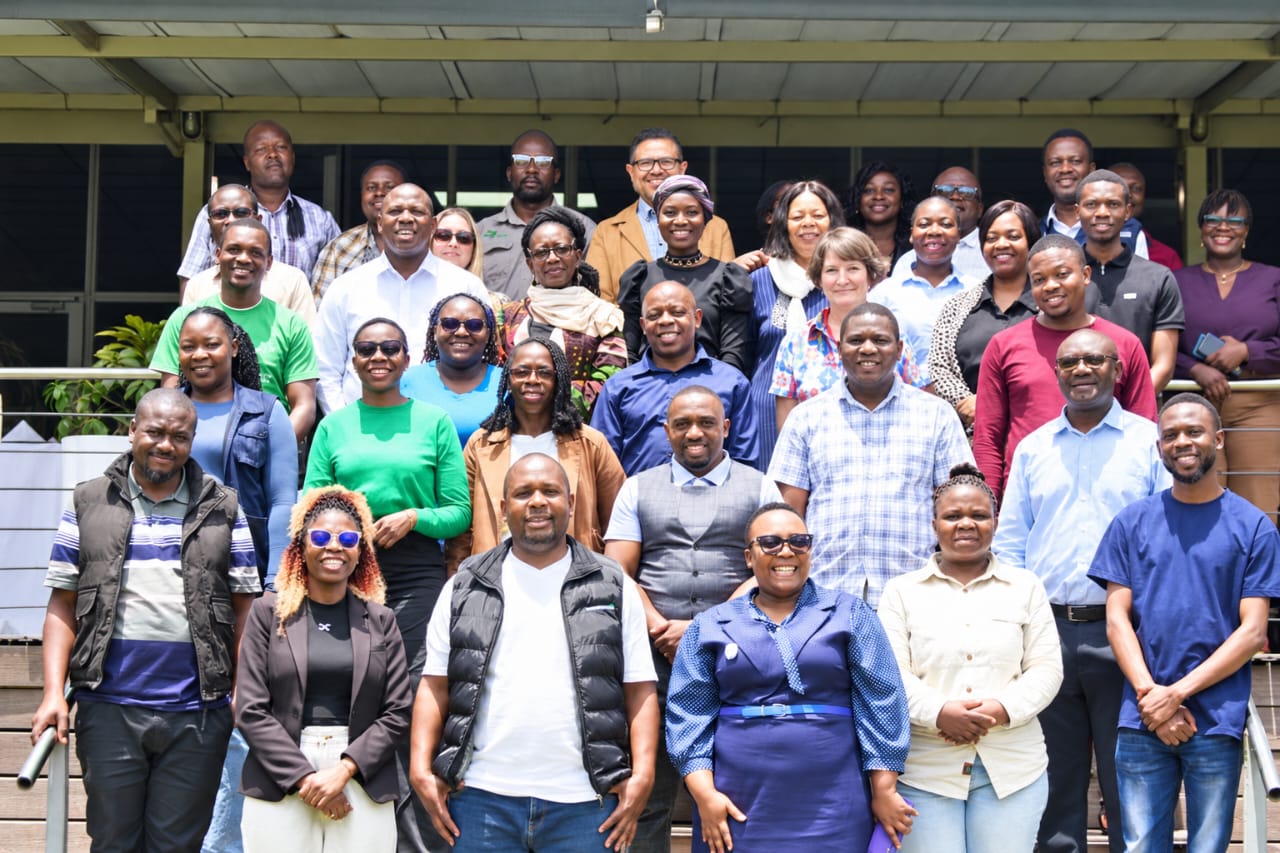
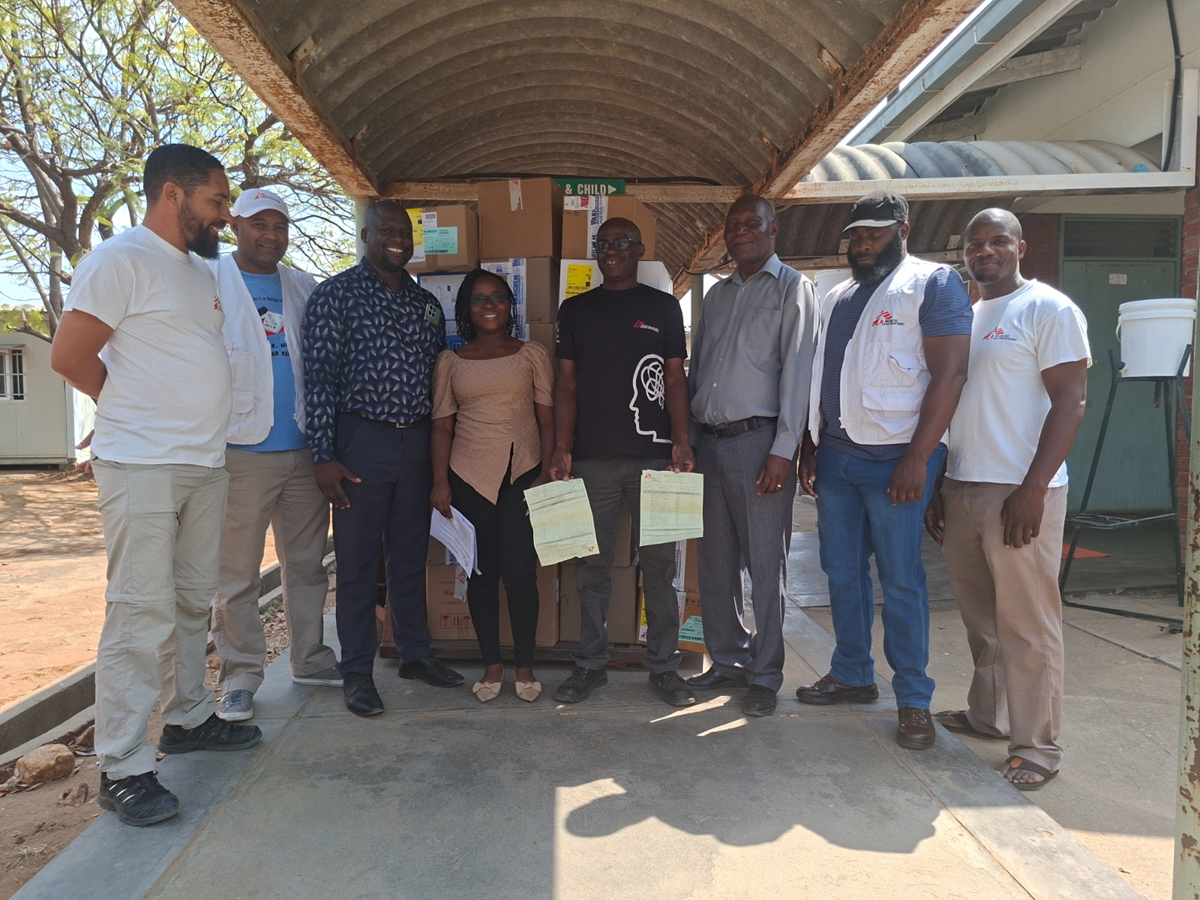
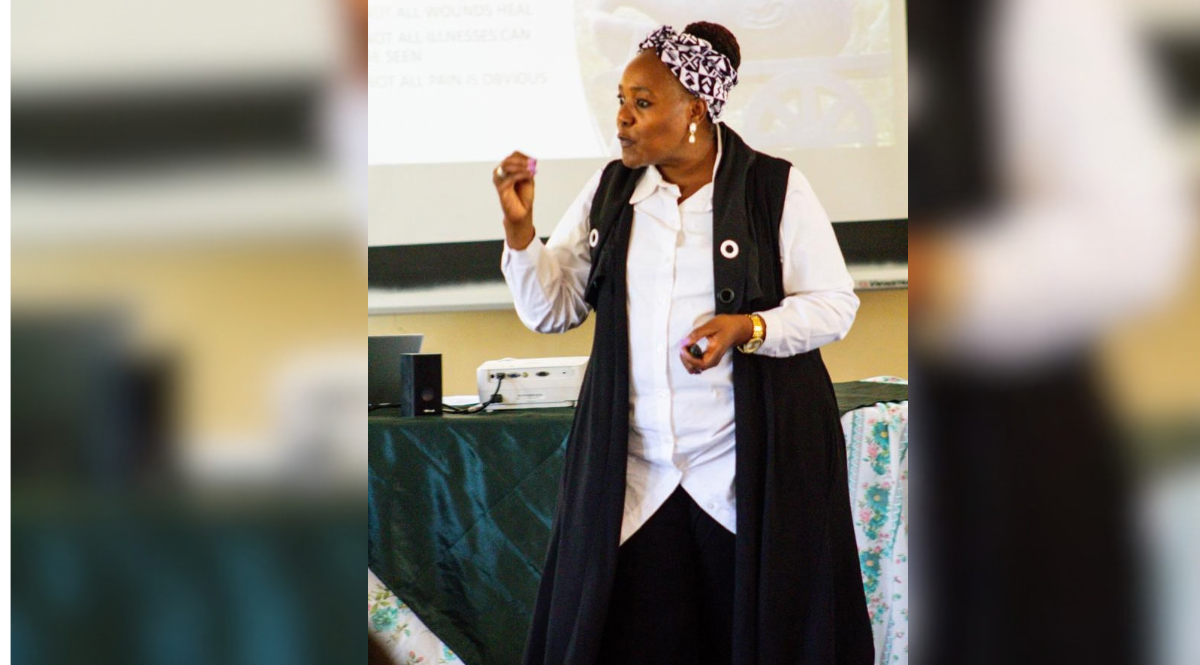
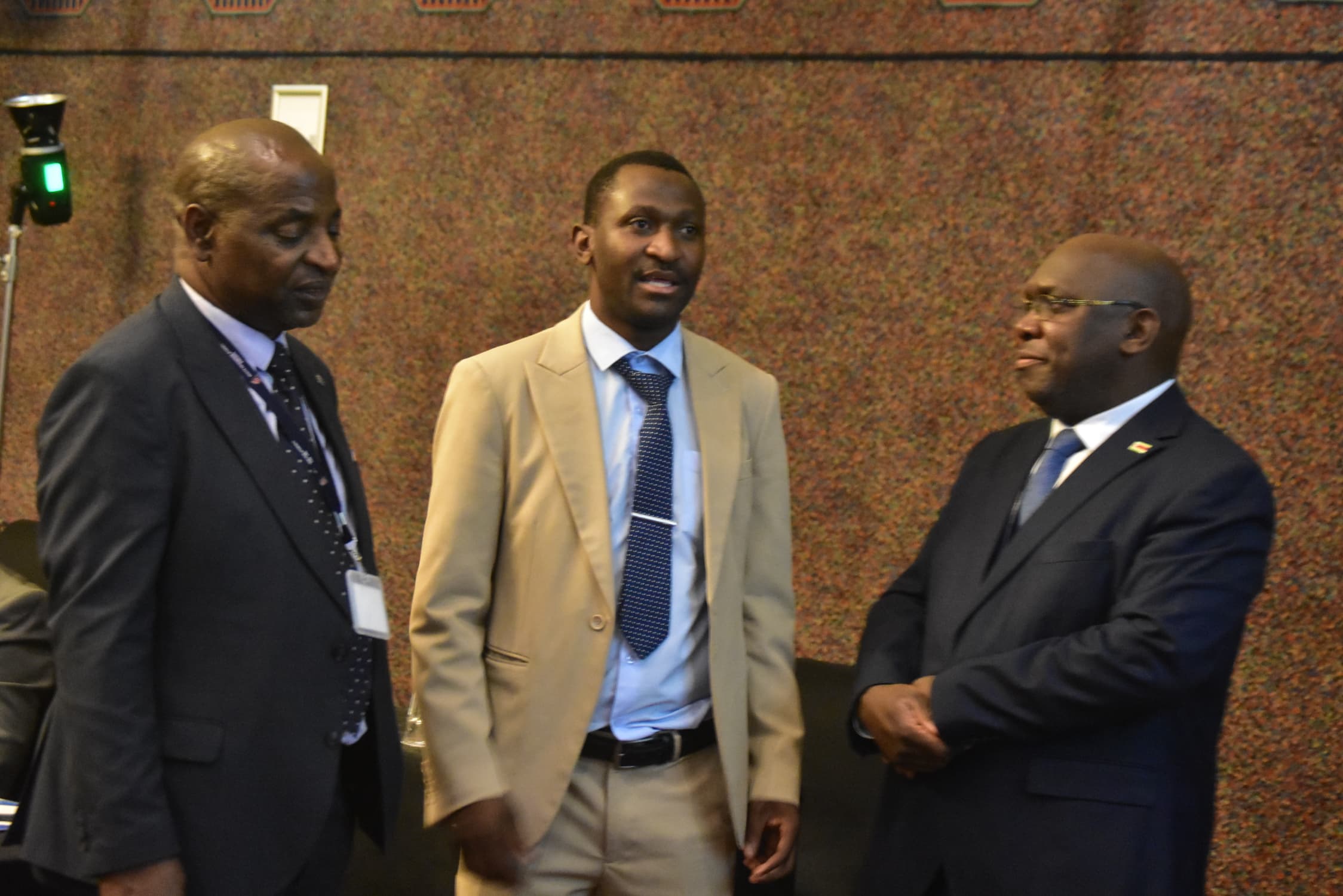
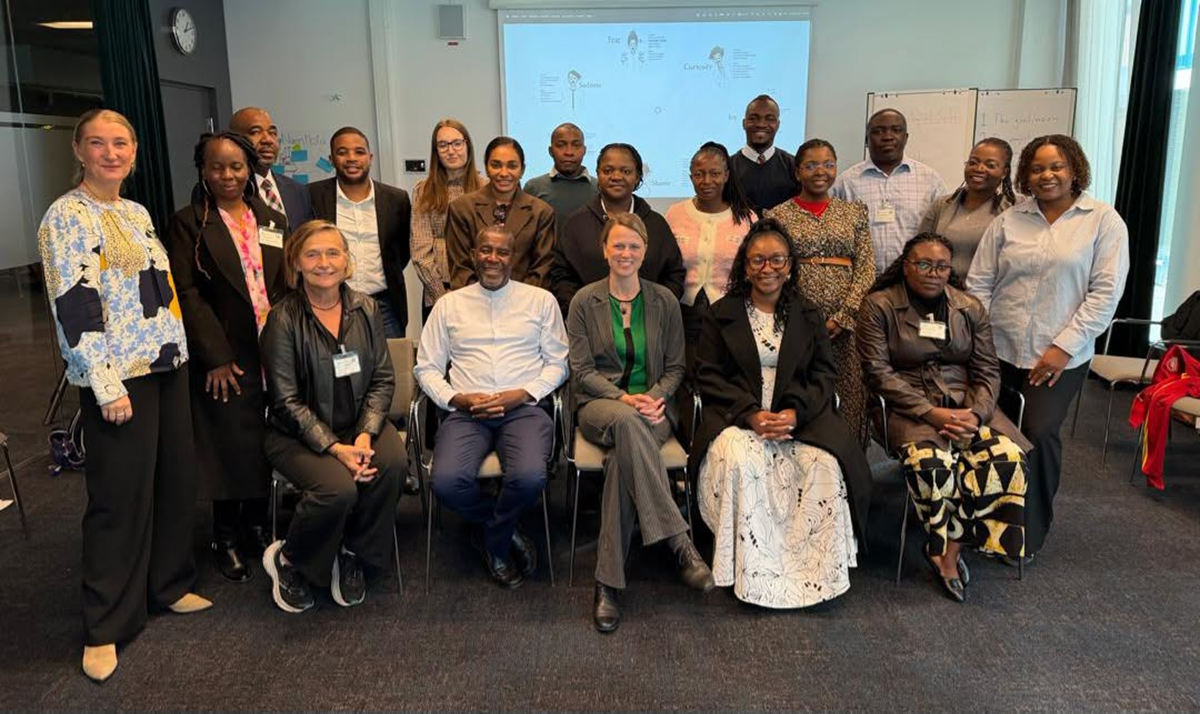
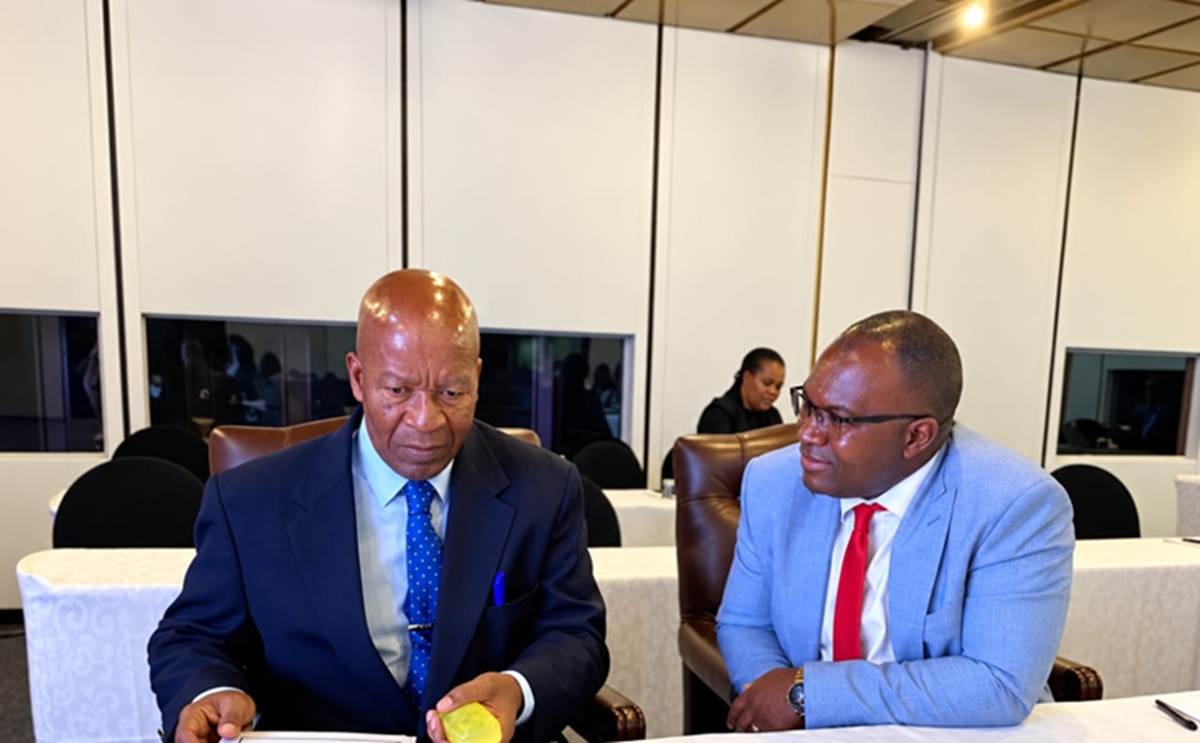
Over a series of technical consultations in Mutare, Bulawayo and Harare, government institutions, law enforcement agencies, child protection organisations, legal experts, civil society representatives and academics came together to consider the feasibility of such a register.
Importantly, the discussions were not driven by assumptions. Participants were encouraged to ask difficult questions. Would a register make women and children safer? Could it help prevent repeat offending? What safeguards would be needed to protect constitutional rights? And does Zimbabwe have the institutional systems necessary to make such a mechanism effective?
What emerged was a remarkable level of consensus.
Stakeholders agreed that the protection of children and vulnerable people must remain a national priority. They also recognized that significant gaps remain after offenders have completed their sentences. Information about convicted sexual offenders is often fragmented across institutions, making it difficult for agencies to coordinate safeguarding efforts or conduct background checks for positions involving direct contact with children.
Many participants saw value in a carefully designed system that would enable authorized institutions to identify convicted offenders before they are placed in positions of trust. Such a mechanism could strengthen safeguarding in schools, childcare facilities, community organizations and other environments where children are present.
At the same time, consultations highlighted an equally important lesson: a sex offenders register is not a silver bullet.
International experience shows that while registries can support offender management and safeguarding, they do not, on their own, prevent all sexual offences. Many perpetrators are first-time offenders who would never appear on a register. Effective child protection therefore requires a much broader response.
Participants consistently emphasized that prevention begins long before a court case. It involves strengthening families and communities, improving reporting mechanisms, supporting survivors, investing in rehabilitation programs, enhancing law enforcement capacity and ensuring that institutions serving children maintain robust safeguarding standards.
The consultations also underscored the importance of balancing protection with rights. Zimbabwe’s Constitution places a clear obligation on the State to protect children from abuse, while also guaranteeing every person rights to dignity in their private and public life, privacy, equality and rehabilitation. Any future system, stakeholders argued, must carefully navigate these considerations.
For this reason, there was broad support for a restricted-access model rather than a publicly accessible registry. Such a system would allow authorized institutions to access information for safeguarding purposes while reducing risks of stigma, discrimination and misuse of personal data.
The consultations demonstrated the value of evidence-based policymaking. Rather than importing solutions from elsewhere, stakeholders examined international experiences, analyzed local realities and openly debated both opportunities and risks. This collaborative process ensured that child protection remained at the center of the discussion.
For development partners, this offers an encouraging example of how sustainable reform happens. Strong protection systems are not built through legislation alone. They are built through research, dialogue, institutional cooperation and a shared commitment to putting children’s and women’s rights first.
All women, children and vulnerable groups deserve to live in an environment protected and free from sexual violence. Achieving that goal demands not only strong laws, but smart policies, strong institutions and collective action from all of us.
Going forward, recommendations from the consultations will be channeled through the Ministry of Justice, Legal and Parliamentary Affairs for approval. Thereafter, legislative reform to accommodate the Register will commence. This will enable the development and design of the National Sex Offender Register.
About the Authors: Etona Ekole is the UNICEF Zimbabwe country Rep and Loveness Makonese is the Deputy Rep UN WOMEN