By Miranda Tabifor, Etona Ekole and Loveness Makonese
As Zimbabwe joins the rest of the world in commemorating the International Day of the Girl under the theme: “End Child Marriage and Invest in Girls’ Rights,” we are called – not only to celebrate the potential of girls – but to confront the barriers that prevent too many of them from realising their full potential.
Every girl in Zimbabwe is born with limitless potential – to learn, to lead, to innovate, to participate and to shape the future of her family, community and country. Yet for too many girls, that promise is disrupted by child marriage, adolescent pregnancy, violence, poverty, discrimination and unequal access to education, health services and economic opportunities, among others.
Behind every statistic is a girl whose life, choices and future are being shaped by these realities.
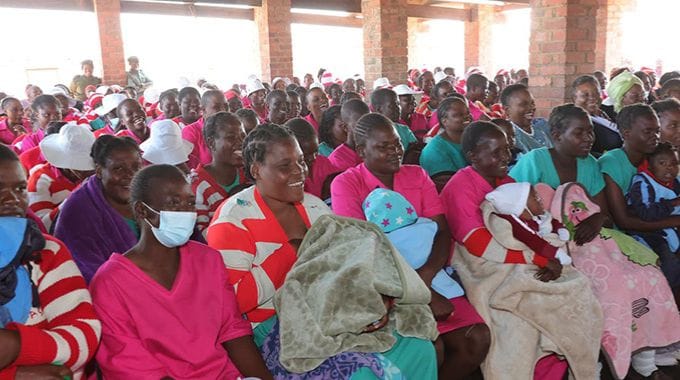
Zimbabwe has made important progress in advancing the rights and wellbeing of girls. But significant challenges remain. An estimated one in three girls is married before the age of 18, while nearly one in four girls aged 15–19 has begun childbearing. These are not simply numbers. They represent girls whose education may be interrupted, whose health and wellbeing may be compromised, and whose opportunities to participate fully in society may be diminished.
Child marriage and adolescent pregnancy undermine girls’ rights to education, health, protection, bodily autonomy and participation. They can reinforce cycles of poverty, inequality and exclusion, while increasing girls’ vulnerability to violence, abuse and exploitation. When a girl is married too young or becomes pregnant before she is ready, Zimbabwe loses more than an opportunity for one child. We risk losing a future teacher, health worker, entrepreneur, scientist, community leader, innovator or policymaker.
This is why investing in girls is not charity. It is an investment in Zimbabwe’s social and economic development.
Ending child marriage is also essential to achieving the Sustainable Development Goal 5.3, which calls for the elimination of all harmful practices, including child, early and forced marriage. But laws and policies, while essential, cannot deliver change on their own. We need sustained investment and action that reaches girls where they live, learn and grow.
This means ensuring that every girl has access to quality education and comprehensive, adolescent-responsive health services. It means strengthening protection systems and preventing and responding to violence. It means ensuring that girls can access information, skills, technology and opportunities that enable them to participate meaningfully in the economy and public life.
It also means addressing the social and gender norms that continue to limit girls’ choices.
Child marriage and adolescent pregnancy do not happen in isolation. They are shaped by poverty, inequality, social expectations, harmful gender norms and, in some communities, beliefs that can place greater value on girls’ roles as wives and mothers than on their education, aspirations and agency.
Changing this requires all of us.
Parents and caregivers have a critical role in supporting girls to remain in school and make informed choices about their futures. Traditional and religious leaders can use their influence to challenge harmful practices and strengthen community accountability. Boys and men must be part of creating more equal and respectful societies. Teachers, health workers and civil society organisations are essential to ensuring girls can access the services and support they need. Government and development partners must translate commitments into adequately funded programmes that reach those most at risk. The private sector also has a role to play by investing in girls’ skills, innovation, entrepreneurship and pathways to decent work.
Across Zimbabwe, promising initiatives demonstrate what collective action can achieve.
The Not-In-My-Village Campaign to End Adolescent Pregnancy has shown the power of bringing communities, traditional leaders, young people and partners together around a shared commitment to protect girls and keep them in school. Initiatives such as PREaCH – Prevention of Child Marriages and Child Labour – similarly demonstrate the importance of community mobilisation, prevention and accountability.
But girls themselves must be at the centre of these efforts.
Girls are not merely beneficiaries of development programmes. They are leaders, advocates, innovators and agents of change. They understand the barriers they face and have ideas about the solutions they need. Their voices, experiences, priorities and aspirations must therefore inform the policies, programmes and investments that affect their lives.
Listening to girls must go beyond consultation. It means creating meaningful opportunities for them to participate in decision-making – at home, in schools, in communities and in national conversations about Zimbabwe’s future.
We therefore invite every Zimbabwean to ask a simple but important question: What are we doing to advance girls’ rights?
For Government and partners, it means turning commitments into sustained financing, quality services and programmes that reach every girl – including those who are most vulnerable and hardest to reach.
For families, communities and leaders, it means challenging practices and norms that limit girls’ futures and creating environments where girls can remain in school, be safe and make decisions about their own lives.
For the private sector, it means investing in girls’ skills, innovation, entrepreneurship and pathways to decent work.
And for all of us, it means listening to girls, respecting their rights and choices, and ensuring that they have a meaningful voice in the decisions that shape their lives.
The test of our progress cannot simply be the commitments we make or the policies we adopt. It must be the tangible difference those commitments make in the lives of girls.
A Zimbabwe where girls can grow up free from child marriage, avoid preventable adolescent pregnancies, stay in school, access quality health services, participate in decisions that affect them and pursue their aspirations is a Zimbabwe with greater potential for inclusive and sustainable development.
The future of Zimbabwe depends, in no small measure, on the opportunities we create for girls today.
By ending child marriage, addressing adolescent pregnancy and investing in girls’ rights, we invest in stronger families, healthier communities, a more productive economy and a more equitable, resilient and prosperous Zimbabwe.
This International Day of the Girl, let us move from commitment to action — and ensure that every girl has the freedom, opportunity and support to shape her own future, and the future of Zimbabwe.
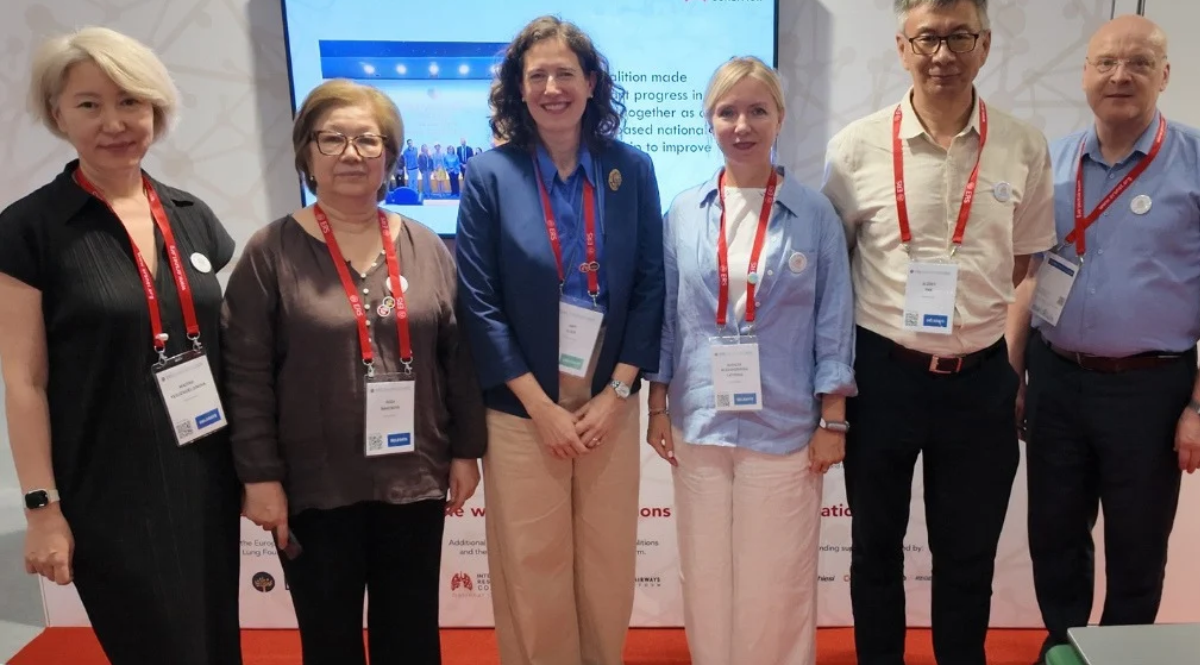
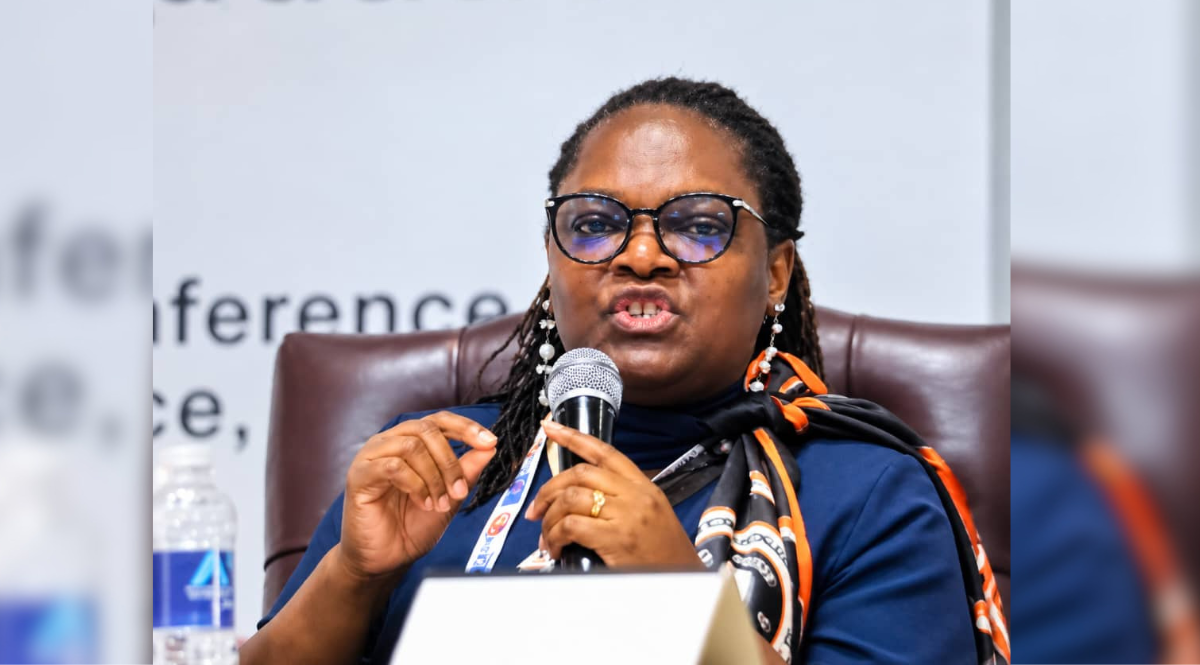
This Opinion Editorial was written by: Ms. Miranda Tabifor - UNFPA Representative; Ms. Etona Ekole - UNICEF Representative and Ms. Loveness Makonese, UN Women Deputy Representative.