By Michael Gwarisa
HARARE– Zimbabwe has received a positive preliminary assessment in its bid to host the 2028 International Conference on Family Planning (ICFP), with an international assessment team praising the country’s government coordination, conference infrastructure, visa readiness and broad stakeholder support.
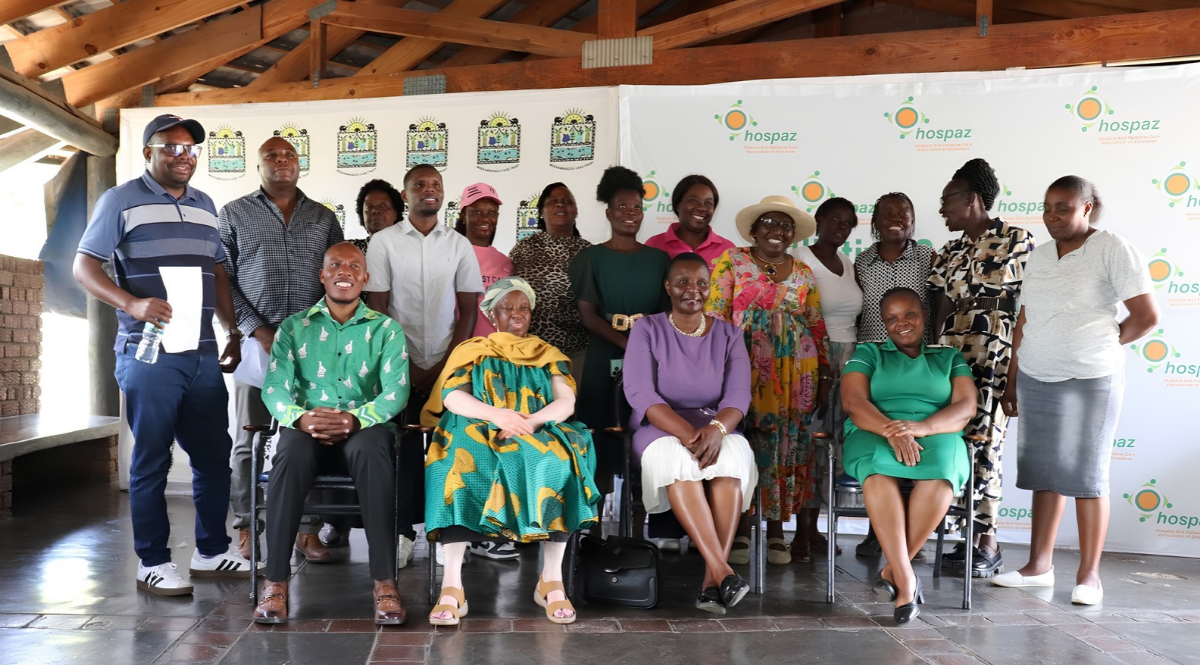
The assessment team completed a three-day mission to Zimbabwe to examine the country’s capacity to host the global conference, which brings together governments, researchers, civil society, young people and other stakeholders working to advance family planning and sexual and reproductive health.
Philip Angelwicz, director of the William H. Gates Senior Institute for Population and Reproductive Health at Johns Hopkins Bloomberg School of Public Health, said Zimbabwe had many of the features the organisers were looking for in a potential host.
“I think Zimbabwe has a lot of the features that we’re looking for,” he said, highlighting the strong government commitment and collaboration across ministries.
According to Angelwicz, the assessment team met government officials, inspected the proposed conference facility and assessed hotels and other infrastructure in Harare.
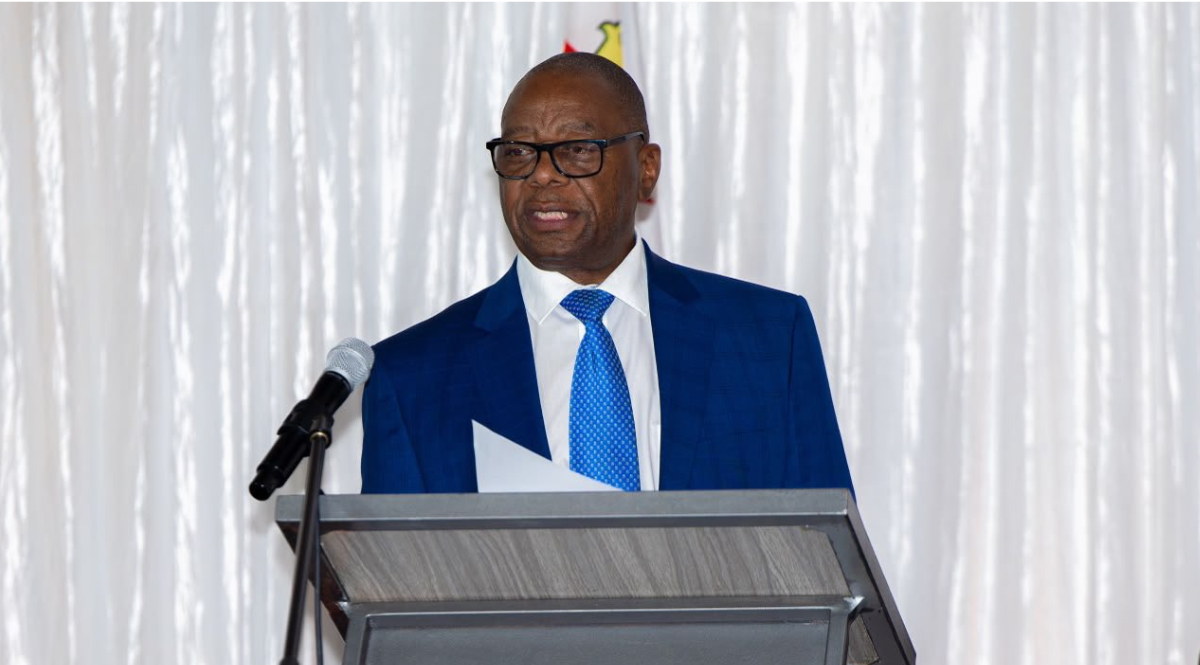
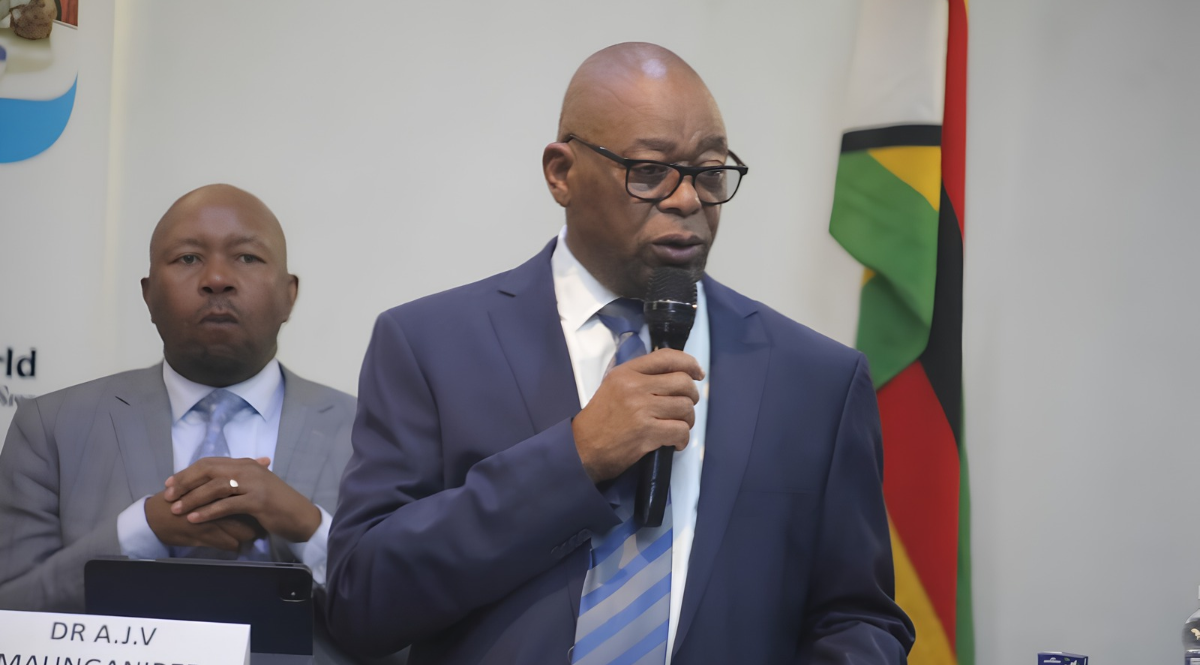
“One of our highlights was the government partners that we have here. So, we’ve had strong support from the Ministry of Health, and we spent a lot of time talking to the Minister of Health himself,” he said.
He said the level of coordination across government was particularly encouraging because the ICFP is a cross-sectoral conference requiring collaboration beyond the health sector.
“Health is really central to what we do, but it also involves finance and gender and international work. So, essentially, we need this collaboration across government agencies and ministries,” Phil said.
The assessment team also visited the proposed conference venue, which Phil described as being in good shape and among the largest facilities of its kind in Africa in terms of seating capacity. The team further assessed Zimbabwe’s ability to accommodate the large numbers of international delegates expected to attend the conference, including its visa arrangements.
“We also have to pay attention to whether the country can handle large numbers of people coming in who will all need visas. We looked at that as well, and it seems like we’re in a good position there too,” he said.
The assessment comes as Zimbabwe competes to become a co-host of ICFP 2028.
Kelly Kellie Wellborn, chairperson of the International Steering Committee Secretariat, said the organisers were now moving into the final stages of the selection process.
She said two finalists would be considered before a final decision is made. The finalists will be given an opportunity to present their case to the conference’s core organising group, after which the organisers will deliberate and select the successful location.
The successful country will then enter an agreement with the conference organisers before the final host and co-host arrangement is publicly announced.
“We’re planning right now to announce in February of 2027,” Wellborn said.
However, she indicated that Zimbabwe would know the outcome before the public announcement.
Beyond infrastructure and government readiness, Wellborn said the organisers were particularly interested in the breadth of national participation in the conference.
“One of the things that we are very excited about when it comes to choosing a co-host partner is the level of commitment from all sectors,” she said, pointing to government, the private sector, civil society organisations and non-governmental organisations.
She said the successful host would not simply lend its name to the conference, but would participate in its planning structures, including committees focused on youth participation and advocacy and accountability.
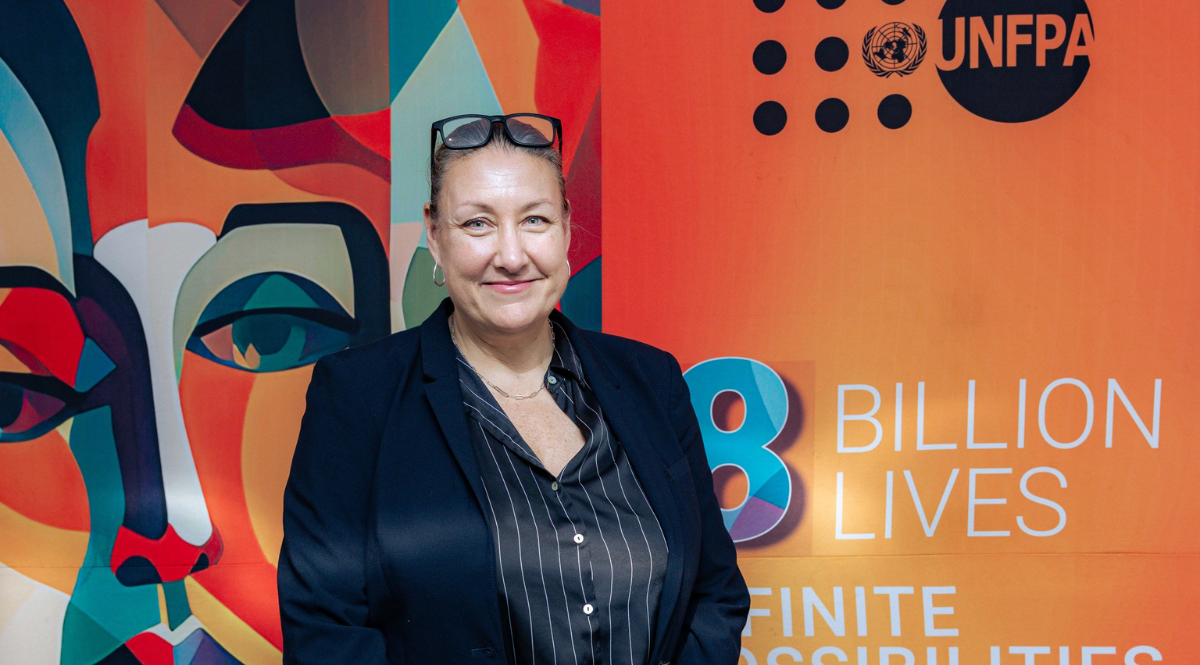
The strong response from Zimbabwean stakeholders has also impressed UNFPA Zimbabwe Representative Miranda Tabifor, whose organisation is part of the co-organising group for the conference.
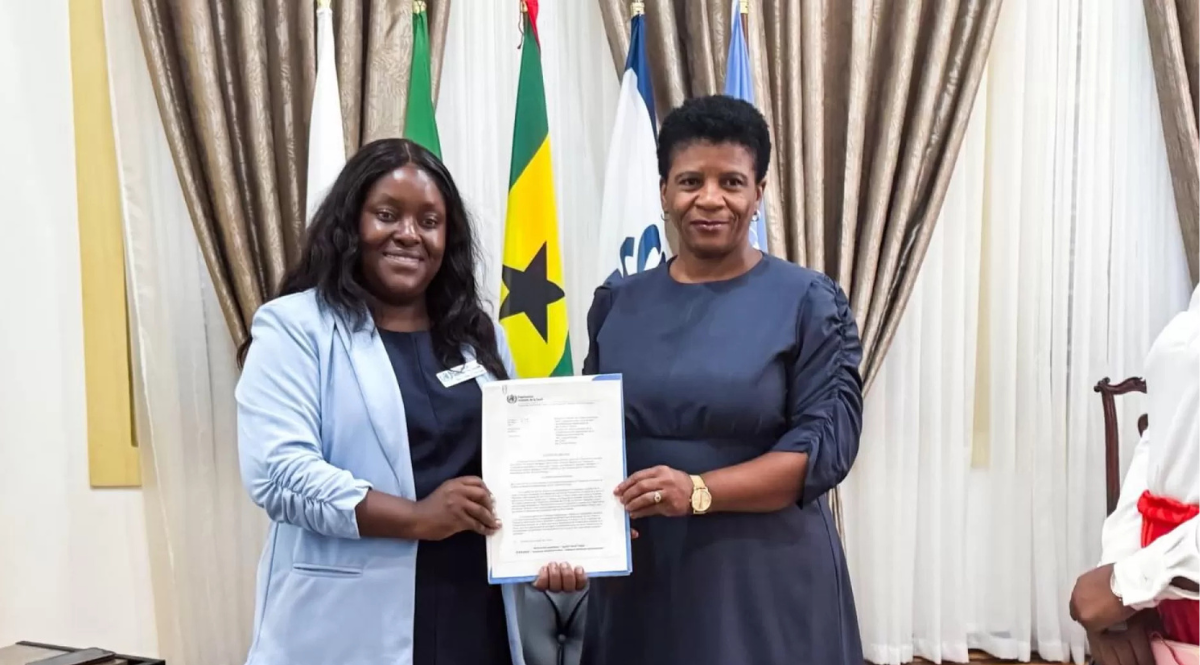
Tabifor said the United Nations agency had been pleased to accompany the Zimbabwean government, under the technical leadership of the Ministry of Health, throughout the assessment.
“The whole total government approach has been very, very excellent,” she said.
She described Zimbabwe’s bid as “solid” and said the potential hosting of ICFP 2028 presented an opportunity to place Zimbabwe and the wider Southern African region at the centre of global conversations on family planning.
“This is going to be the first time that the country is going to be coming to SADC region,” Tabifor said, noting the potential significance of bringing the conference to a region comprising 16 countries.
She said a Zimbabwe-hosted conference could showcase the country’s family planning champions while creating opportunities for researchers, young people, parliamentarians, traditional leaders and faith-based organisations to contribute to the global agenda.
Tabifor said young people would be particularly important to the conference, given Zimbabwe’s ongoing challenges around teenage pregnancies, child marriage and drug and substance abuse.
“The young people have a magnificent agenda to share,” she said, adding that the conference could provide a platform for them to drive discussions around issues affecting their reproductive health.
For UNFPA, she said, support would extend beyond advocacy to technical expertise, financial support and human resources to help Zimbabwe deliver on the family planning agenda.
“We are really, we want to just reiterate the fact that UNFPA is ready to support the government of Zimbabwe” in hosting the global conference, she said.
With the assessment mission now completed and Zimbabwe among the final contenders, attention shifts to the final deliberations and agreement process ahead of the expected February 2027 announcement.