By Kuda Pembere
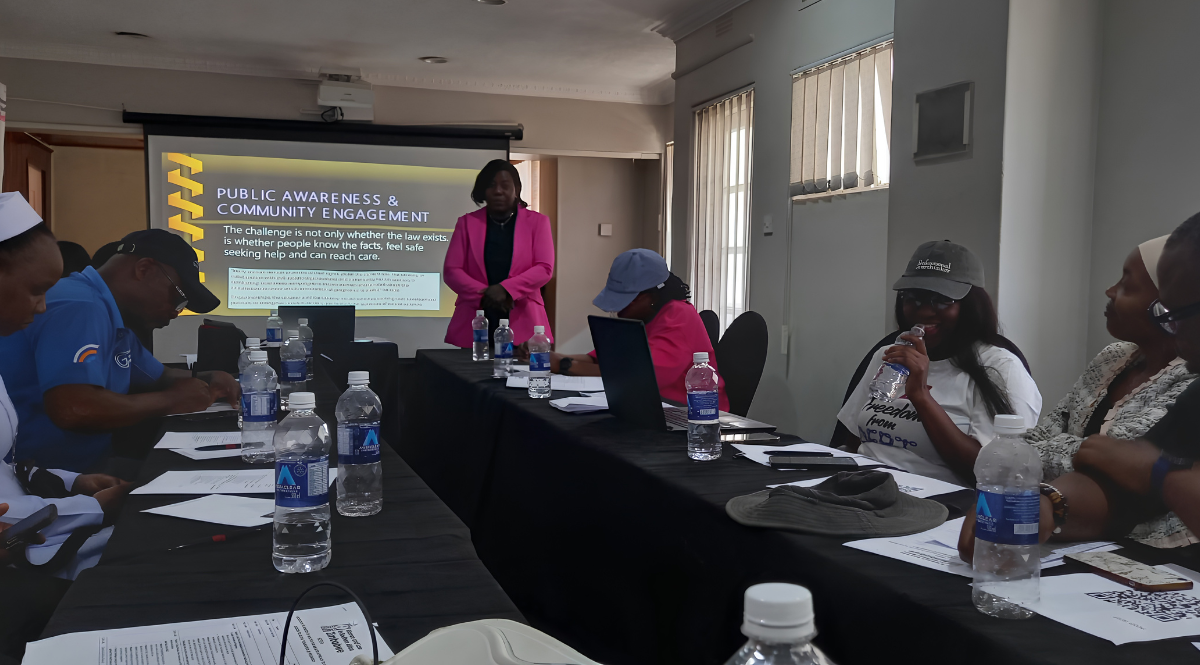
Thirty participants from 15 Common Market for Eastern and Southern Africa (COMESA) member states are undergoing training in Good Manufacturing Practices (GMP) in Zimbabwe, in a programme aimed at strengthening pharmaceutical regulation and supporting local medicine production across the region.
The training is being conducted by the Medicines Control Authority of Zimbabwe (MCAZ) following Zimbabwe’s assumption of the COMESA chairpersonship and the regulator’s attainment of World Health Organisation (WHO) Maturity Level 4.
The four-day capacity-building programme, commenced on Monday ending on November 27. As part of the practical component, the Medicines Control Authority of Zimbabwe (MCAZ) will take participants to three local pharmaceutical manufacturers namely CAPS, COSPHARM and VARICHEM – where they will gain first-hand exposure to manufacturing operations and quality management systems.
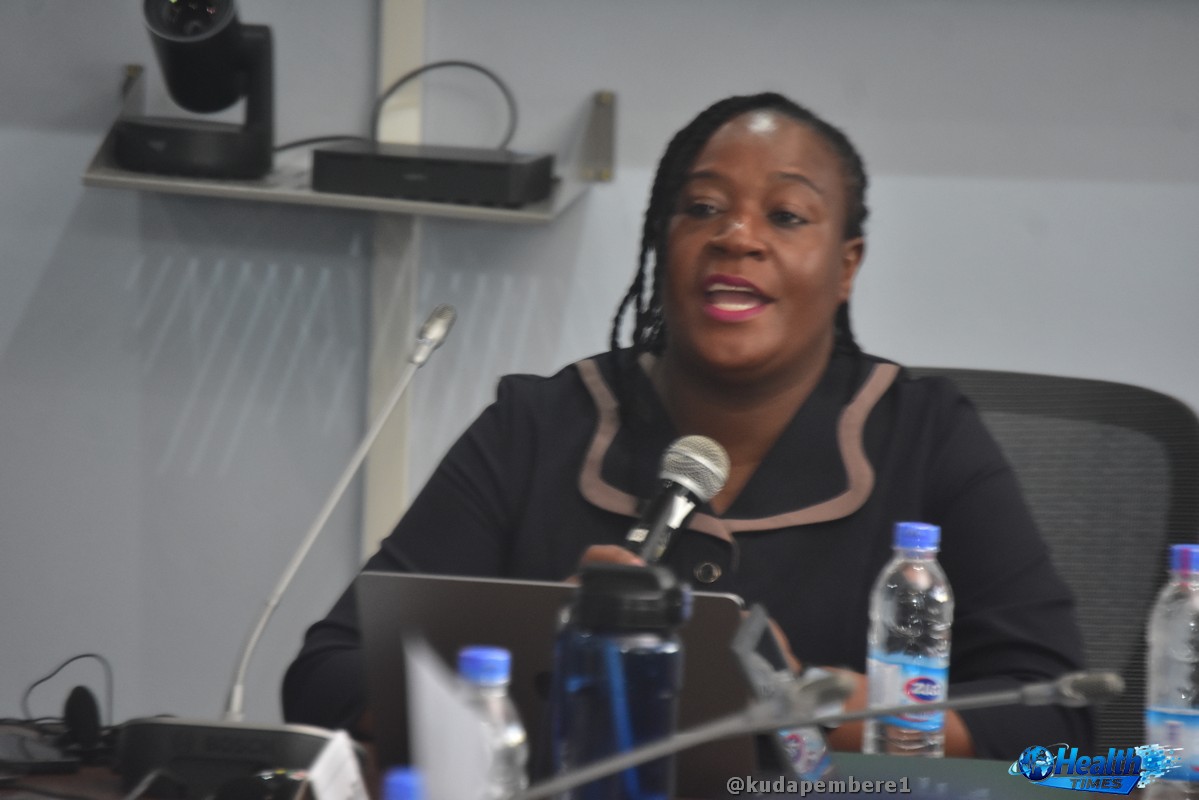
Representing MCAZ Director-General Richard Rukwata, the authority’s Head of Licensing and Enforcement Division, Mrs Caroline Dandira-Samatanga, said Zimbabwe was committed to strengthening pharmaceutical regulation through regional partnerships.
“Zimbabwe is highly honoured to host, in partnership with COMESA, this important GMP capacity development programme. This initiative comes at a particularly significant time, as His Excellency Dr Emmerson Dambudzo Mnangagwa currently serves as Chairperson of COMESA,” she said.
Dandira-Samatanga said MCAZ aspired to become a leading medicines regulatory authority on the continent, adding that achieving this required cooperation with other regulators.
“Our most recent WHO Global Benchmarking Tool assessment demonstrated significant progress in the strengthening of Zimbabwe’s regulatory system, with all our regulatory system indicators reported as fully implemented. This achievement reflects our commitment to regulatory excellence, continuous improvement and the protection of public health,” she said.
She said MCAZ supported regional regulatory harmonisation and the sharing of expertise and resources.
The authority serves as the implementing agency for the Southern African Development Community (SADC) Medicines Regulators Forum through the Zazibona collaborative medicines registration initiative.
Through Zazibona, Dandira-Samatanga said, MCAZ had witnessed how cooperation among medicines regulators could accelerate registration decisions, reduce duplication and improve access to quality-assured medicines.
She added that the training was aligned with Zimbabwe’s National Development Strategy 2, which prioritises industrialisation, local industry development and economic transformation.
Zimbabwe is targeting an increase in the proportion of locally manufactured medicines to 60 percent by 2030.
Dandira-Samatanga said achieving the target would require modernised pharmaceutical manufacturing facilities, increased local production capacity and expanded regional exports.
“However, we recognise that this vision can only be realised through strong and effective regulatory systems, investment in modern manufacturing technologies, and the development of a skilled and competent human resource base,” she said.
“GMP capacity development is therefore not merely a technical undertaking. It is a strategic investment in public health, industrial development, medicine security and the economic prosperity of our nations.”
She said the knowledge and partnerships gained through the programme would help strengthen pharmaceutical manufacturing and regulatory systems across the region.
The programme falls under the COMESA Support Towards Regional Pharmaceutical Sector Development project, financed by the African Development Fund.
COMESA Secretariat Senior Industry Officer Eng. Lotfi Hamza said the initiative was intended to increase the region’s capacity to manufacture quality-assured medicines and strengthen regulatory oversight across member states.
“The project’s aim is simple to state, and hard to achieve: a region that makes more of its own quality-assured medicines, and regulators who can be trusted across borders to oversee them,” Hamza said.
He said COMESA was operationalising its Medicines Regulatory Harmonisation programme to align how member states assess, inspect and trade medicines.
“This matters even more today, as the African Medicines Agency becomes operational. Continental reliance depends on strong national authorities. Every inspector we train well is a building block for the African Medicines Agency and for the Pharmaceutical Manufacturing Plan for Africa,” he said.
Hamza said effective GMP oversight was also essential for attracting investment and expanding regional pharmaceutical manufacturing.
“Investors and buyers look for one thing above all: assurance that products made in our region, meet international standards, including WHO GMP requirements. Competent regulators make that assurance credible, and in doing so, they support intra-regional trade and the competitiveness of our manufacturers,” he said.