By Michael Gwarisa in Ethiopia
For communities that have lived with malaria for generations, the disease has often followed a familiar pattern. The rains come, mosquitoes multiply and cases begin to rise, allowing health workers to plan the distribution of medicines, bed nets and other preventive interventions around the seasons.
That predictability is becoming harder to rely on.
Rising temperatures, changing rainfall patterns and increasingly frequent extreme weather events are altering where and when malaria can spread across Africa, while floods, cyclones and droughts are making it harder for health workers to deliver essential services to communities that need them most.
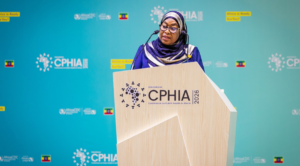
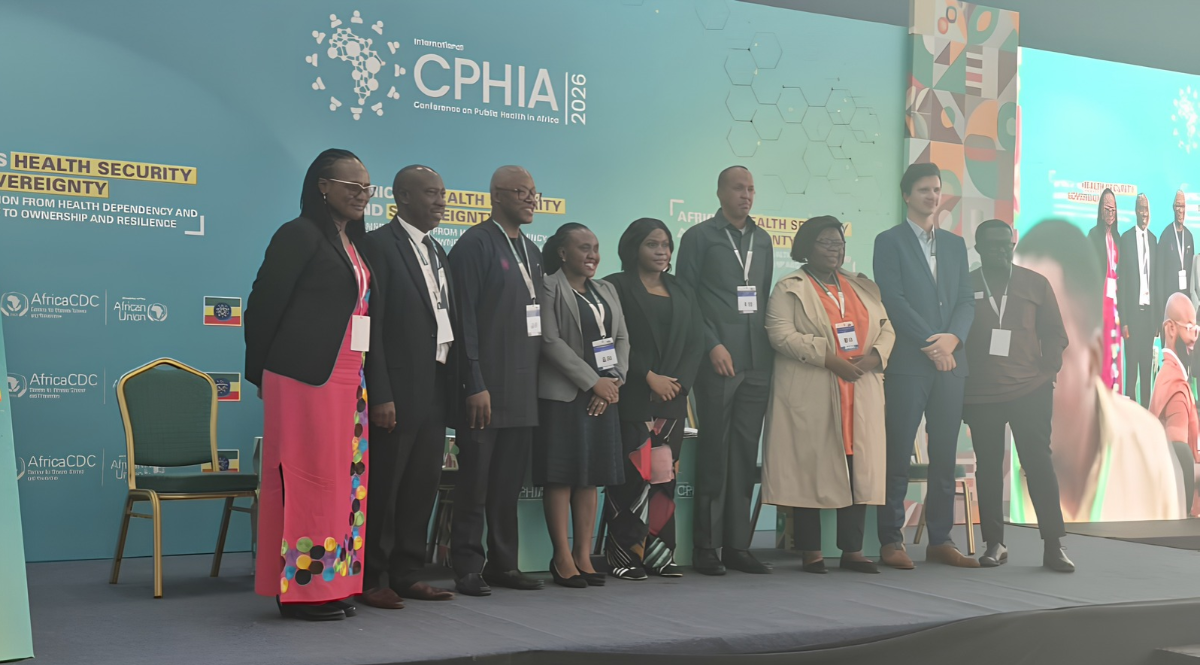
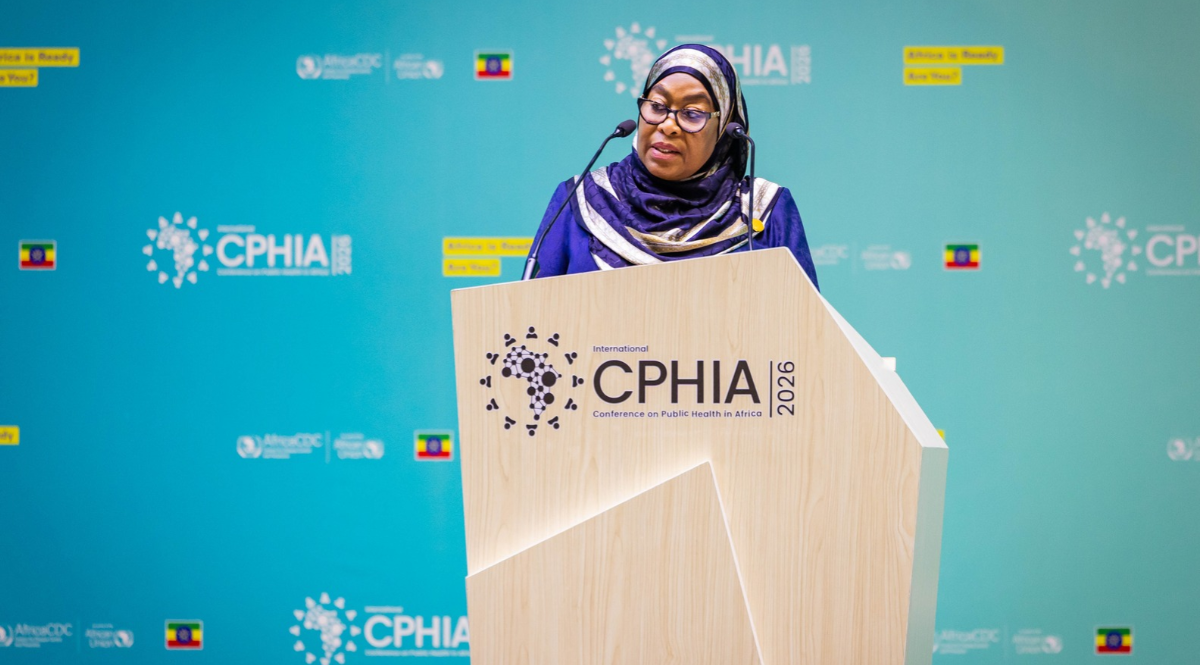
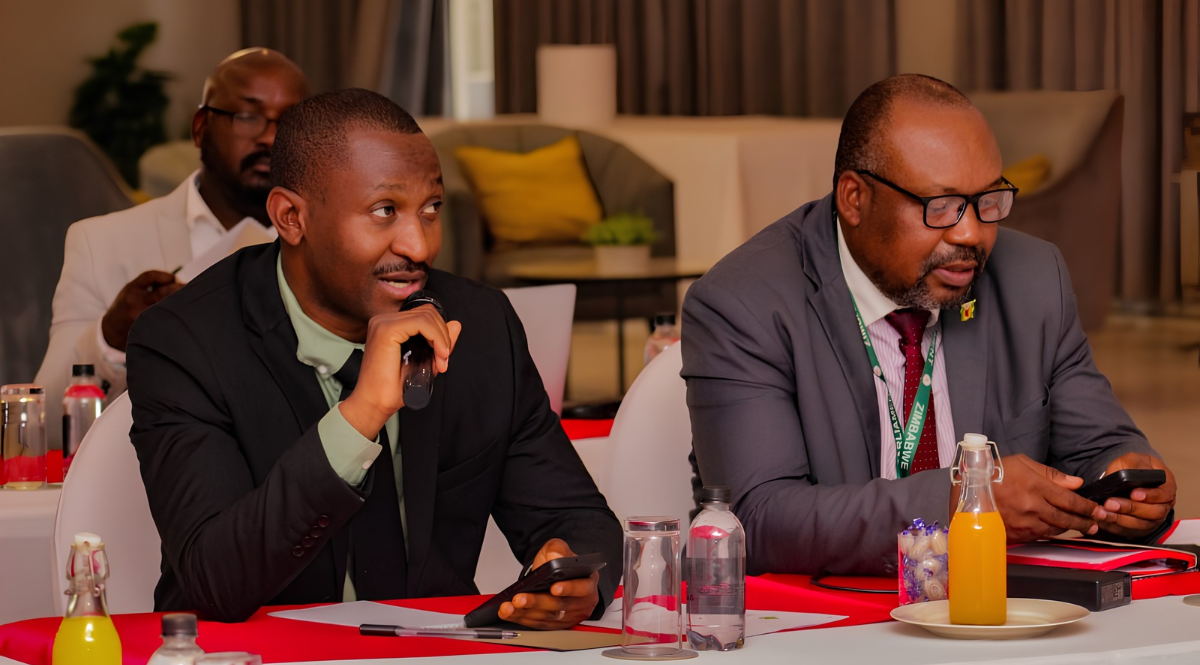
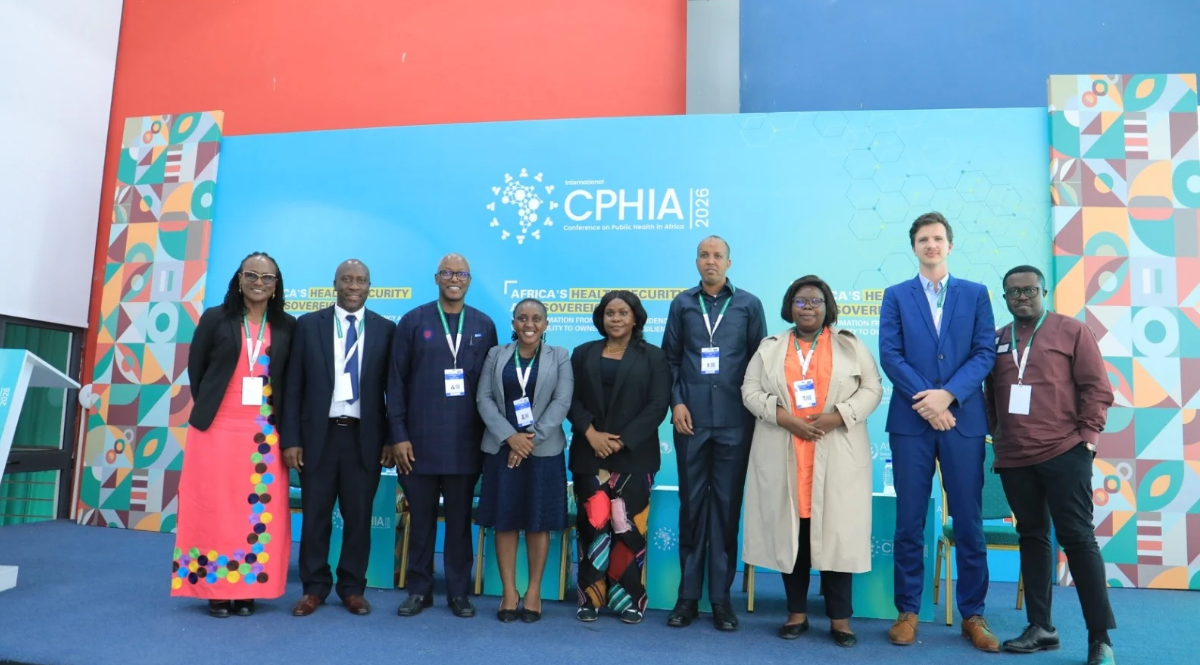
The warning emerged during a CPHIA 2026 side event titled “Climate change impact on malaria and NTD elimination,” held under Track 6, Climate, health security and African resilience, in Addis Ababa.
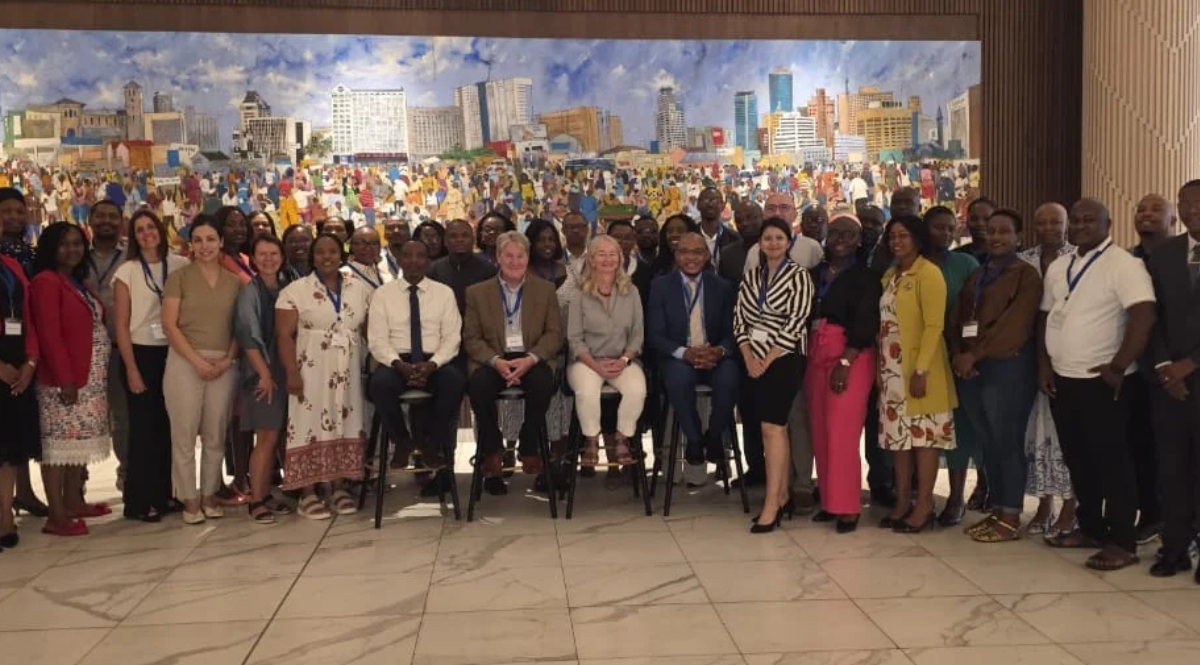
The discussion brought together malaria and public health experts to examine how a changing climate is affecting malaria transmission, neglected tropical diseases and the ability of health systems to sustain prevention and elimination programmes.
The urgency of that discussion is reflected in the scale of the malaria burden. In 2024, there were an estimated 282 million malaria cases and 610,000 deaths globally, with Africa accounting for about 95 percent of both cases and deaths.
Dr Michael Adekunle Charles, CEO of the RBM Partnership to End Malaria, said the number of lives being lost each year remained difficult to comprehend, particularly because most of those dying are young children.
To illustrate the scale of the crisis, Adekunle Charles compared the annual toll to six plane crashes every day, each carrying about 300 people, mainly children under five.
“If you can think about it, it’s the equivalent of six plane crashes on a daily basis, each plane crash with about 300 people mainly children under the age of five and 95 percent of them are from this African continent,” he said.
For Adekunle Charles, a disease that continues to cause such a heavy loss of life in 2026 demands a much stronger response. But the challenge is becoming more complicated because the environmental conditions that influence malaria transmission are changing.
A malaria map that is no longer predictable
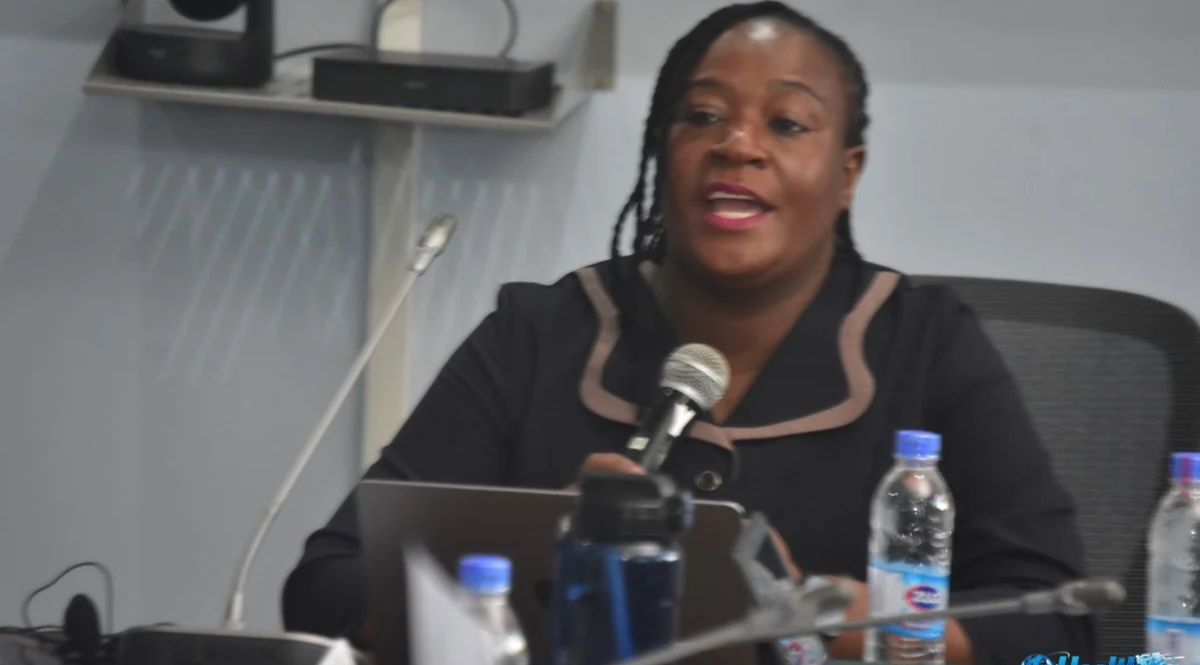
Dr Elizabeth Juma, World Health Organisation (WHO) Public Health Specialist who moderated the “Climate change impact on malaria and NTD elimination” session, said Africa had made considerable progress against malaria and other neglected tropical diseases over the past two decades, with several countries moving closer to elimination.
That progress, however, is increasingly being tested by climate change.
“The map is shifting,” Juma said.
Rising temperatures and changing rainfall patterns are allowing mosquitoes and parasites to survive in areas that were previously too cool or too dry for sustained transmission, including some highland areas. At the same time, transmission seasons are becoming longer.
For malaria programmes, that creates a practical problem. Prevention campaigns have traditionally been organised around expected seasons, with health authorities planning when and where to distribute medicines, bed nets and seasonal malaria chemoprevention.
When the seasons change, those plans can become less reliable. The potential consequences are substantial. Research published in Nature projects that climate change could contribute to up to 550,000 additional malaria deaths in Africa between 2030 and 2049.
Importantly, the threat is not driven only by gradual increases in temperature. About 92 percent of the projected additional deaths are linked to extreme weather events, including floods and cyclones. Such events can simultaneously increase the conditions that allow mosquitoes to breed and damage the systems needed to protect people from malaria.
Floods can leave behind breeding sites, while cyclones and heavy rains can destroy roads, health facilities and other infrastructure. Communities displaced from their homes may find themselves in crowded temporary shelters where access to healthcare and preventive measures is limited.
The same climate shocks can also make existing malaria-control measures less effective, with estimates suggesting that control efforts could be up to 17 percent less effective under the changing conditions.
When floods prevent medicines from reaching communities
The consequences are already being experienced by malaria programmes across the continent.
Dr Denis Mubiru, Country Director- South Sudan, Malaria Consortium, described what happened in South Sudan, where flooding disrupted the delivery of seasonal malaria chemoprevention. Health facilities and communities were cut off, forcing health workers to find alternative ways of getting medicines and services to people.
“We used other mechanisms of reaching the people, including use of boats, animals, paramedicines to other places, and porters, in the form of human beings, to deliver these,” Nwuchangi said.
Even with those efforts, however, the programme could not reach everyone it had planned to serve.
“We had hoped for a better target, but we reached around 79-82% of these communities,” he said.
The South Sudan experience illustrates a problem that is likely to become increasingly important as climate patterns change. Having malaria medicines, health workers and prevention tools available is not enough if floods or other extreme weather events prevent them from reaching the communities that need them.
Nwuchangi said health systems therefore needed to become more resilient and better prepared for changing climate patterns. This includes using climate forecasts to anticipate disruptions, pre-positioning medicines before roads become inaccessible and ensuring community health workers can continue providing services when health facilities are cut off.
Climate change is bringing new malaria risks. The changing climate is also unfolding alongside other challenges that are making malaria harder to control. Adekunle Charles pointed to the spread of Anopheles stephensi, a malaria vector that has emerged in the Horn of Africa and is spreading to other parts of the continent.
At the same time, resistance to some of the tools used to control malaria is becoming a growing concern.
“We’re seeing resistance to insecticides, we’re seeing resistance to medications, we’re seeing resistance to rapid diagnostic treatment,” he said.
For malaria programmes, this creates a difficult combination: transmission patterns are changing at the same time as some of the interventions used to control the disease are becoming less reliable.
Adekunle Charles said stronger surveillance was therefore essential, particularly as funding pressures threaten some of the systems needed to detect changes in malaria transmission and resistance.
Data collection, surveillance and therapeutic efficacy studies can be among the areas affected when resources decline, he said, making it harder for countries to identify emerging resistance and respond quickly.
Using climate data before cases begin to rise
One of the most important responses discussed during the session was the use of climate information to anticipate malaria outbreaks rather than waiting for cases to increase.
David Nieuwe Weme of AMREF said research in Ethiopia’s Gambela region had compared 30 years of climate data with 10 years of malaria records and found a clear relationship between rainfall, humidity and malaria cases. Importantly, he said, there was often about a month between changes in rainfall and increases in malaria cases.
“That is our opportunity for early warnings and acting on it,” he said.
That window could give health authorities time to move medicines and other supplies, prepare health workers and intensify prevention measures before malaria cases begin to increase.
Some countries are already beginning to use this approach. In Rwanda, malaria programmes are collecting climate, mosquito and epidemiological information at sentinel sites to understand how environmental changes affect transmission. In Benin, malaria officials have worked with the Ministry of Agriculture to use rainfall information when determining where seasonal malaria chemoprevention should be delivered.
South Sudan has also developed a malaria prediction system linked to its health information platform, using climate and changing weather patterns to help anticipate transmission.
For malaria experts, these approaches point to a broader change that is becoming necessary: programmes can no longer rely entirely on fixed calendars when the seasons themselves are becoming less predictable.
The financing gap
The challenge, however, is not only technical. Dr Yewande Alimi, One Health Unit Lead at Africa CDC, said climate change was already affecting health emergencies across the continent, from floods and droughts to infectious disease outbreaks.
Africa carries a disproportionate share of the world’s climate vulnerability, yet health remains a small part of climate adaptation financing. Only about 6 percent of climate adaptation funding currently goes to health, according to figures discussed in the session. Alimi said African countries needed to generate stronger evidence on how climate change was affecting their health systems and use that evidence to develop national adaptation plans capable of attracting investment.
“We need to generate the evidence, the impact of climate change on our health systems,” she said.
Countries also need to understand not only what adaptation measures will cost, but what it will cost if they fail to act.
That calculation is particularly important for malaria. Climate shocks can increase the risk of transmission at the same time as they disrupt the roads, facilities, supply chains and health workers needed to respond.
Africa has made considerable progress against malaria, but the discussion at the CPHIA 2026 side event “Climate change impact on malaria and NTD elimination” showed why those gains cannot be taken for granted.
The response will increasingly require malaria programmes to work with climate information, strengthen surveillance and build health systems capable of continuing to provide services when extreme weather disrupts normal operations.
The discussion also comes at an important moment for Ethiopia and the wider African climate-health agenda. Ethiopia is set to host COP32 in 2027, the first COP to be held in sub-Saharan Africa, placing the continent’s climate and health concerns firmly on the international agenda.
For Adekunle Charles, however, the immediate priority remains the same: countries and partners must work together to accelerate progress against malaria while adapting to the environmental changes that are making the disease harder to control.
“We’re calling again on the media, calling on the people, calling on our drug manufacturers, to ensure that we’re able to really give attention to this very, very important topic,” he said.