By Kuda Pembere
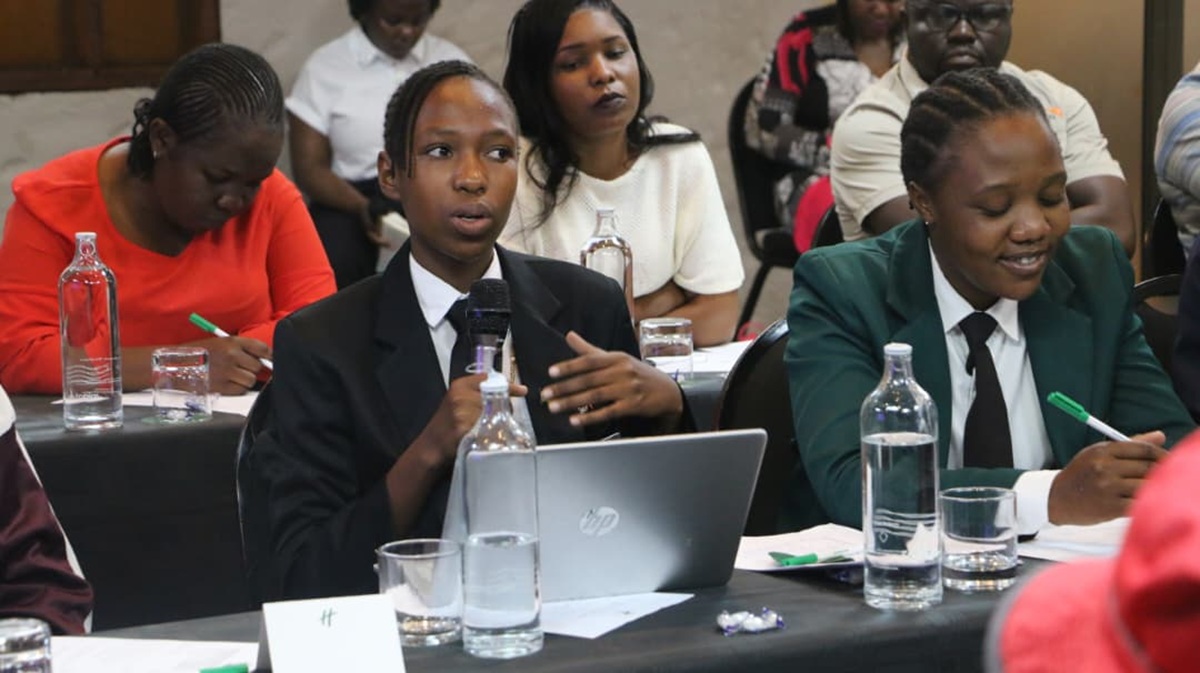
The United Nations Children’s Fund (UNICEF) commemorated the International Day of the Girl Child with the launch of the Adolescent Girls Programme, titled Resilient, Innovative, Skilled, and Empowered Girls (RISE). The initiative will be implemented by the Forum for African Women Educationalists Zimbabwe Chapter (FAWEZI).
The event took place at Seke 5 High School on Saturday.
UNICEF Representative to Zimbabwe, Ms. Etona Ekole, officiating the launch, emphasized the importance of amplifying girls’ voices. “As we gather today to launch this adolescent girls’ programme, we also celebrate the International Day of the Girl (IDG). This is a day we hold dearly within the UNICEF family and across the world. It is a day when we take time to celebrate girls everywhere: their voices, their leadership, and their power to shape a better future,” she said.
The programme runs under the theme “The girl I am, the change I lead: Girls on the frontlines of crisis.” Ms. Ekole noted that Zimbabwe’s statistics reveal how adolescent girls disproportionately suffer from inequalities that hinder their development. “This theme could not have come at a better time. It reminds us that girls are not just survivors of crisis; they are leaders, innovators, and changemakers standing on the frontlines of climate change, poverty, and inequality every single day.”
She cited sobering national statistics: one in three girls in Zimbabwe is married before the age of 18, robbing them of their childhood and education. Nearly one in four school dropouts are due to pregnancy or marriage. Only 65.9% of girls complete secondary school, with even lower rates in rural districts like Chipinge. HIV rates among adolescent girls are nearly three times higher than those of their male peers. “And we know that almost half of Zimbabwean youth (48.1%) are not in education, employment, or training (NEET), and girls make up the majority,” she added.
Speaking on behalf of the Permanent Secretary in the Ministry of Primary and Secondary Education, Mr. Moses Mhike, Director of Gender Mainstreaming, Inclusivity and Wellness, Ms. Itai Zinzombe, praised the partnership between UNICEF and FAWEZI, which advocated for the school-reentry policy for adolescent girls. “As the Ministry, we take pride in our ongoing collaboration with partners like UNICEF and FAWEZI, who have consistently supported national efforts to advance gender equality in education. This is really serious. We have come a long way.”
She highlighted FAWEZI’s role in promoting girls’ education and preventing school-related gender-based violence. “We don’t say re-entry; we say continuation. If you fall pregnant, you don’t stop education—you continue. Pregnancy is not an illness. Of course, as a mother, I might say, don’t fall pregnant, but I know I am a girl myself,” she said. Reflecting on her own adolescence, she added, “When I was around 14 to 16, nobody would tell you how not to fall pregnant. They would wait for you to fall pregnant, and then they would reject you. Most of my colleagues committed suicide. Some died trying to abort without any support.”
FAWEZI Executive Director Ms. Lydia Madyirapanze explained that the RISE Project is also being implemented in Chipinge. “Supported by UNICEF and implemented by FAWEZI in collaboration with Government, the project will reach 24,000 adolescent girls in Chipinge and Chitungwiza.”
She stressed the importance of investing in adolescents, who make up 12% of Zimbabwe’s population. “Adolescent girls face intersecting challenges—high rates of child marriage, adolescent pregnancy (23.7%), gender-based violence, school dropout, HIV, and limited access to sexual and reproductive health information and services.”
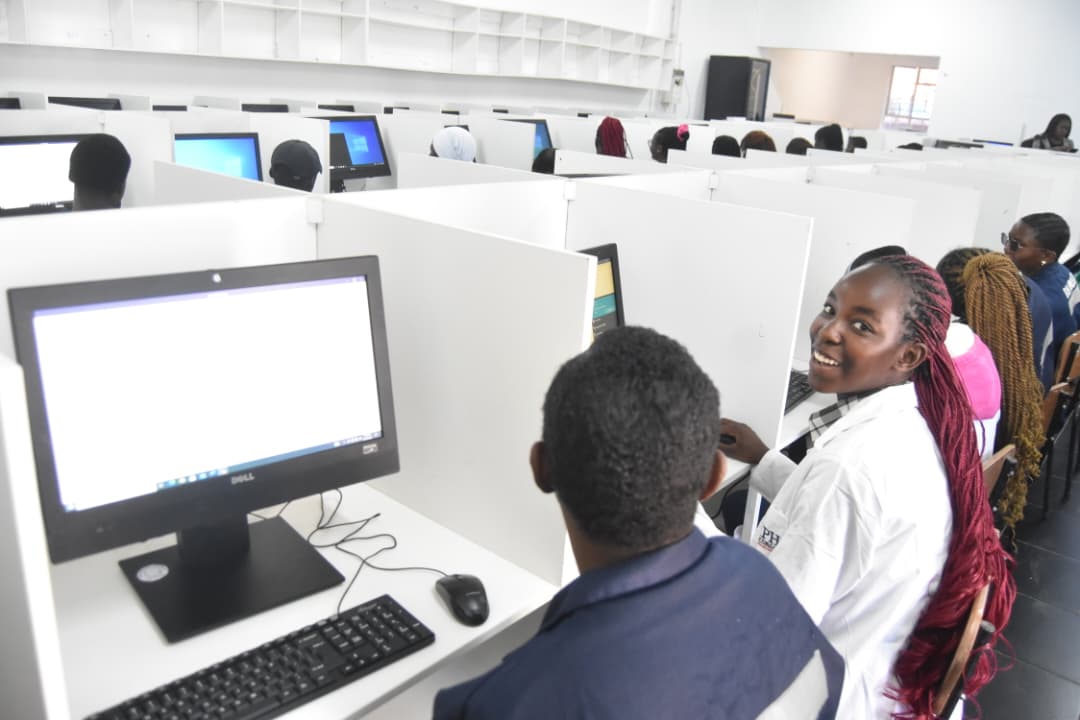
Madyirapanze said the RISE Project aims to unlock girls’ potential through STEM education, leadership, and life skills. “Girls belong in science labs, innovation hubs, and leadership circles just as much as anywhere else. Through mobile science laboratories, STEM clubs, and speed mentorship sessions, girls will experiment, innovate, and lead.”
She added that teacher training on gender-responsive methods, menstrual health, and safe schools will make learning spaces more inclusive. “Through community dialogues, we will challenge harmful norms and ensure families stand with their daughters.”
The project also targets out-of-school girls. “Through leadership and advocacy programmes like FAWEZI’s Tuseme model and UNICEF’s Youth Advocacy Guide, girls will be equipped to raise their voices and drive change in their communities. We seek to build agency among girls, especially those out of school. Through strong community engagement, the project aims to shift harmful gender norms, promote girls’ rights, and build accountability to end child marriage, adolescent pregnancy, and gender-based violence,” she said.