
By Michael Gwarisa
As the curtain came down on the 26th AIDS Conference (AIDS 2026) in Rio de Janeiro, Brazil, Bantwana Zimbabwe emerged as one of the organisations attracting international attention after showcasing a community-based model that is helping improve health outcomes for children and adolescents living with HIV.
The local non-governmental organisation, whose mission is to improve the wellbeing of vulnerable children, adolescents, youth, their caregivers and families, presented two scientific posters highlighting how Zimbabwe’s child-centred case management approach is strengthening HIV care and psychosocial support for some of the country’s most vulnerable children.
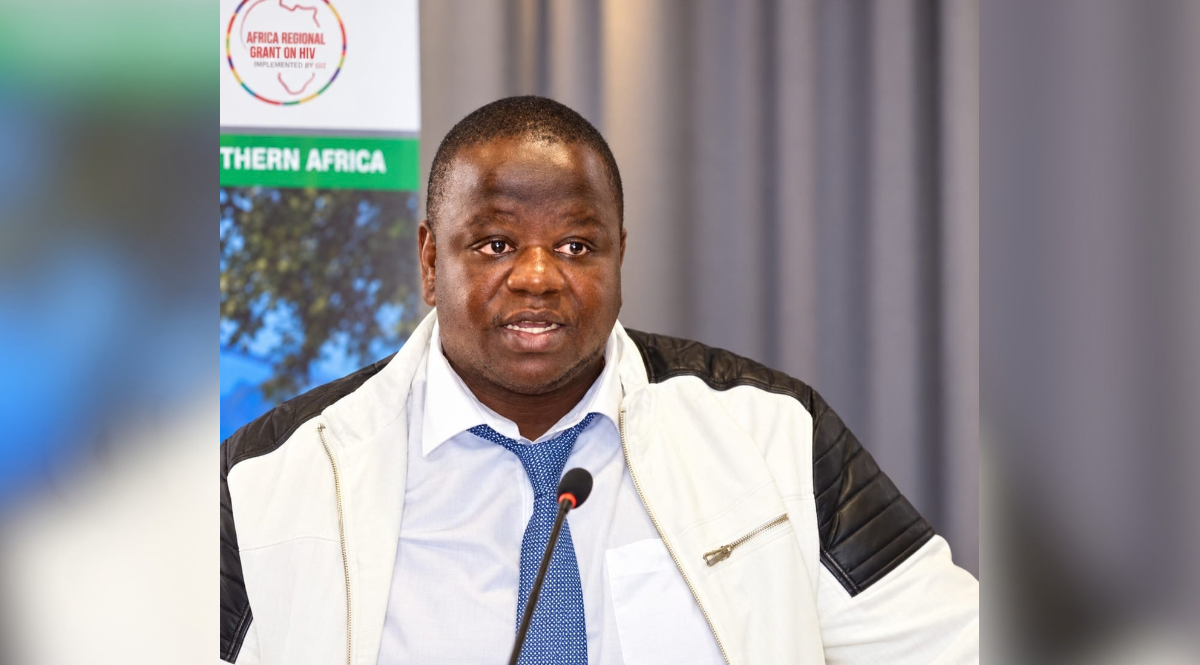
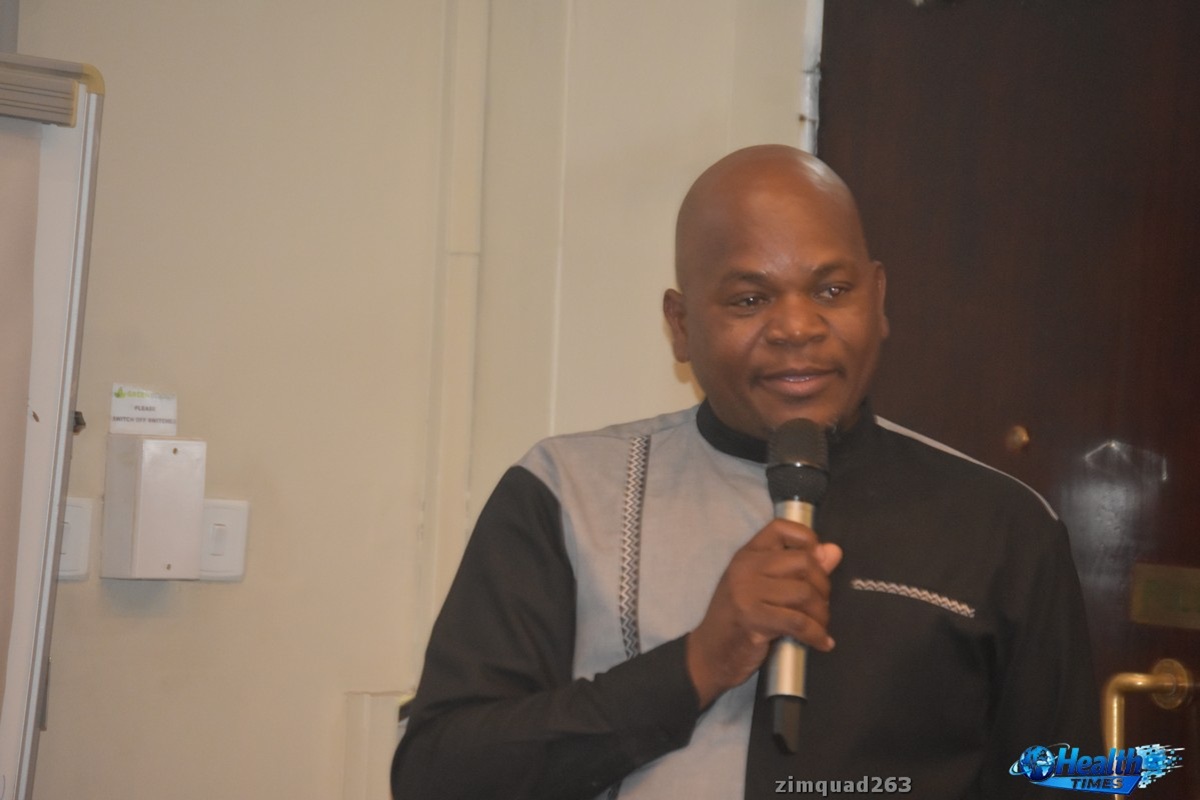
Speaking to HealthTimes after presenting one of the posters at the conference, Bantwana Zimbabwe’s Director of Orphans and Vulnerable Children (OVC) Programmes, Mbonisi Tshuma, said the response from delegates across Africa and other high HIV burden countries demonstrated growing interest in Zimbabwe’s approach.
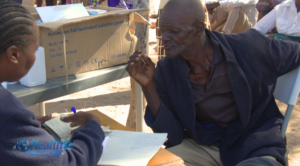
“Bantwana Zimbabwe is a child-focused organisation that provides services to children and adolescents living with HIV and HIV-exposed infants through a case management approach that makes sure there are wraparound services for children spanning health, protection, economic strengthening as well as education,” Tshuma said.
Bantwana Zimbabwe currently implements an OVC programme designed to strengthen HIV-sensitive case management through a child-centred, family-focused and community-owned approach that enables continuous tracking and support for HIV-exposed infants, children and adolescents living with HIV.
The organisation says its model goes beyond providing medical care by ensuring that every child receives coordinated support from their family, community and key institutions throughout their development.
“Our case management approach looks at a child from a holistic perspective, making sure that we are supporting the child, supporting the parents, supporting any guardians or caregivers. We are also supporting the community and the institutions that are around the child,” Tshuma explained.
The presentation comes at a critical time for Zimbabwe’s paediatric HIV response.
Despite the country’s remarkable progress towards ending AIDS, children continue to lag behind adults across the HIV treatment cascade. According to Bantwana Zimbabwe, only 63 percent of HIV-positive children had been diagnosed by 2025, while paediatric antiretroviral therapy coverage stood at just 71.9 percent, leaving many children without life-saving treatment.
The organisation notes that children continue to face lower viral load testing coverage, poorer viral suppression rates and widening treatment gaps, challenges that have become even more concerning as international HIV funding declines. At the same time, Zimbabwe continues to see a growing population of HIV-exposed but uninfected children requiring long-term follow-up, while adolescent girls remain disproportionately affected by new HIV infections.
Against this backdrop, Bantwana Zimbabwe used the global conference to demonstrate how community-led interventions can help bridge these gaps.
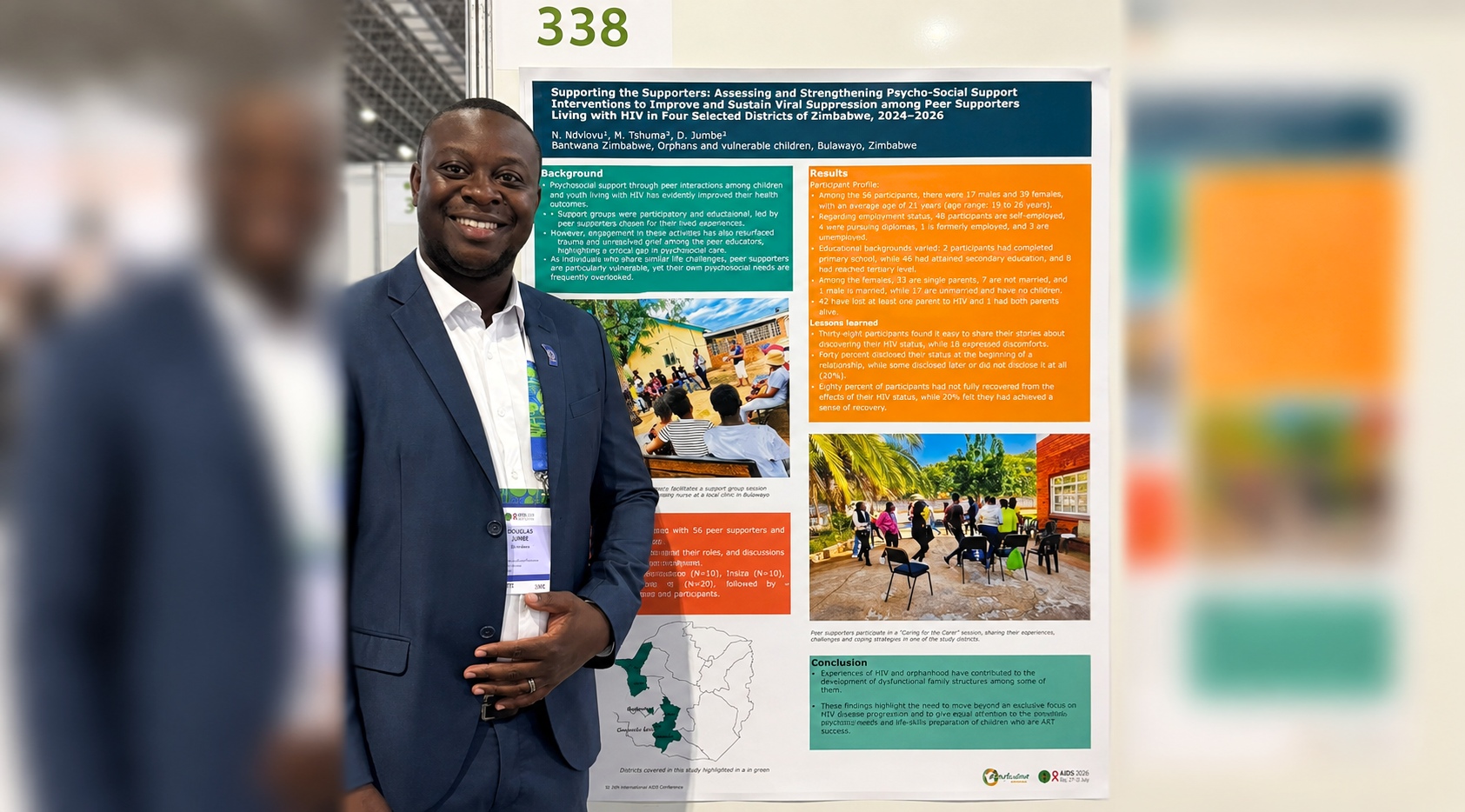
One of the organisation’s presentations, an in-person poster at the main AIDS 2026 conference titled “Supporting the Supporters: Assessing and Strengthening Psycho-Social Support Interventions to Improve and Sustain Viral Suppression among Peer Supporters Living with HIV in Four Supported Districts in Zimbabwe,” examined the often-overlooked wellbeing of peer supporters who provide counselling and psychosocial support to children and adolescents living with HIV.
Rather than focusing solely on patients, the study explored how strengthening the mental health and wellbeing of peer supporters ultimately improves the quality of care delivered to children.
“Our poster focused on caring for the carers, caring for those peer supporters that support children through support groups and psychosocial support interventions,” Tshuma said.
“We wanted to make sure that as they do their work, they also receive support because they are still at stages in life where they are advancing in their careers and education.”
Bantwana Zimbabwe also presented an electronic poster during the 18th International Workshop on Pediatrics and HIV, titled “Towards Attaining the Last ’95’ on Children and Adolescents Living with HIV (CALHIV): The Efficacy of the Orphans and Vulnerable Children Community Programme in Zimbabwe.”
The presentation highlighted the effectiveness of Zimbabwe’s longitudinal case management model, which follows children throughout their care journey rather than offering isolated interventions.
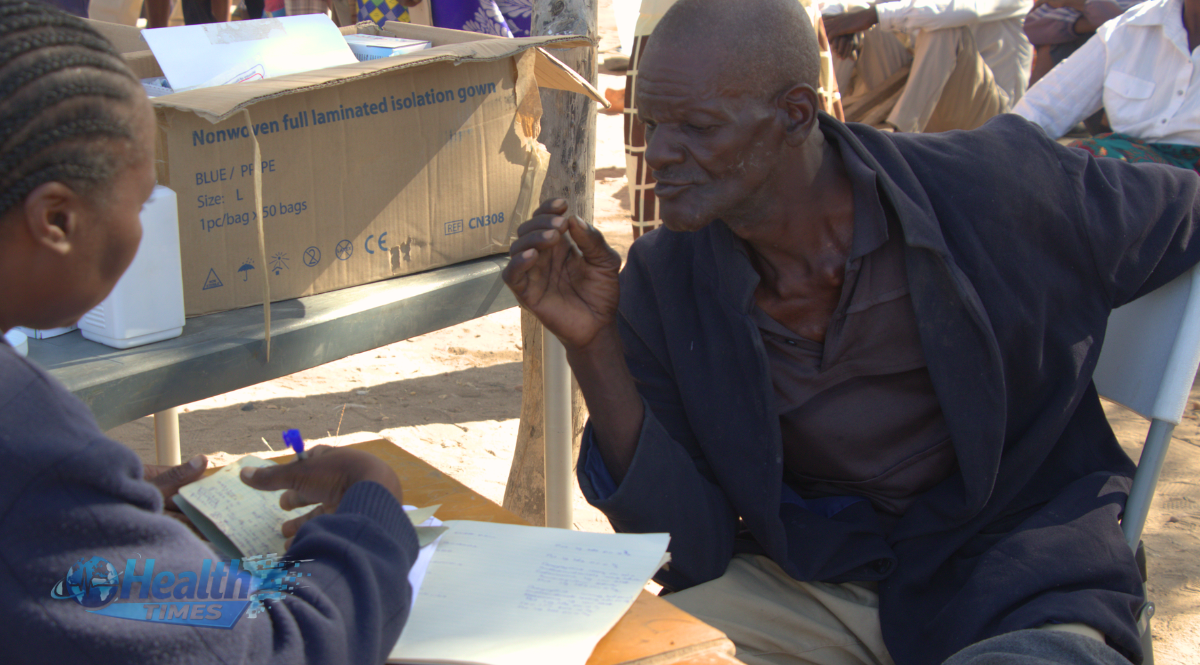
Tshuma said every child enrolled in the programme undergoes a comprehensive assessment, after which an individualised care plan is developed and reviewed every three months to ensure changing needs are addressed.
“The OVC programme uses a case management approach where we enrol every child living with HIV into our programme. We conduct assessments, develop a care plan, implement that plan and review it every quarter to determine whether the child’s needs have been met or whether adjustments are required,” he said.
This continuous monitoring enables children to receive integrated health, education, social protection and economic support while allowing caregivers and communities to play an active role in improving treatment adherence and long-term wellbeing.
Tshuma said delegates from several countries expressed interest in Zimbabwe’s approach, particularly its ability to integrate clinical HIV care with family strengthening and community ownership.
He said the conference reinforced the importance of investing in community systems that keep children engaged in care long after they leave health facilities.
As global funding for HIV programmes becomes increasingly constrained, Bantwana Zimbabwe believes innovative, community-led models such as its HIV-sensitive case management approach will be essential if countries are to close the persistent treatment gap among children and adolescents living with HIV.