
By Kuda Pembere
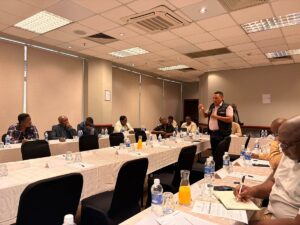
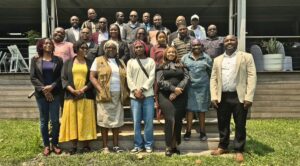
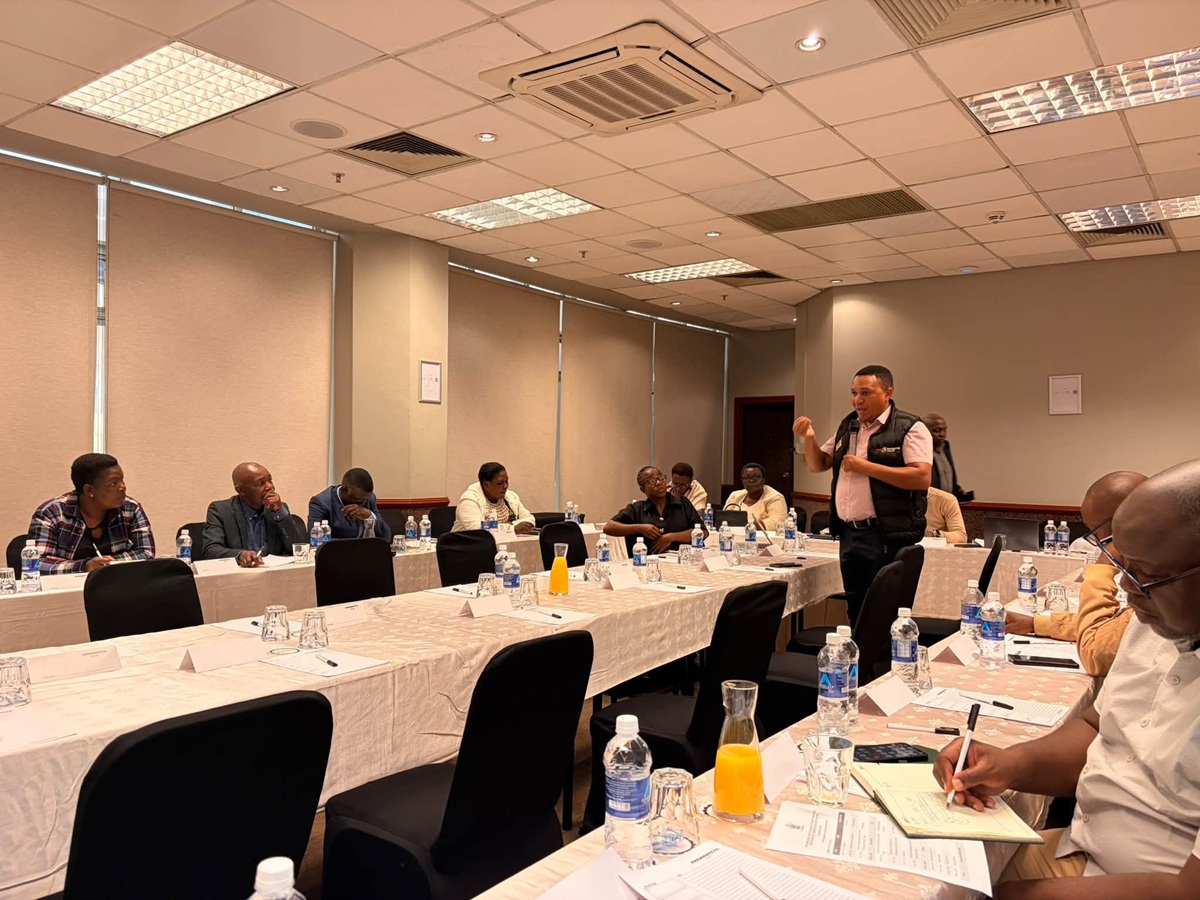
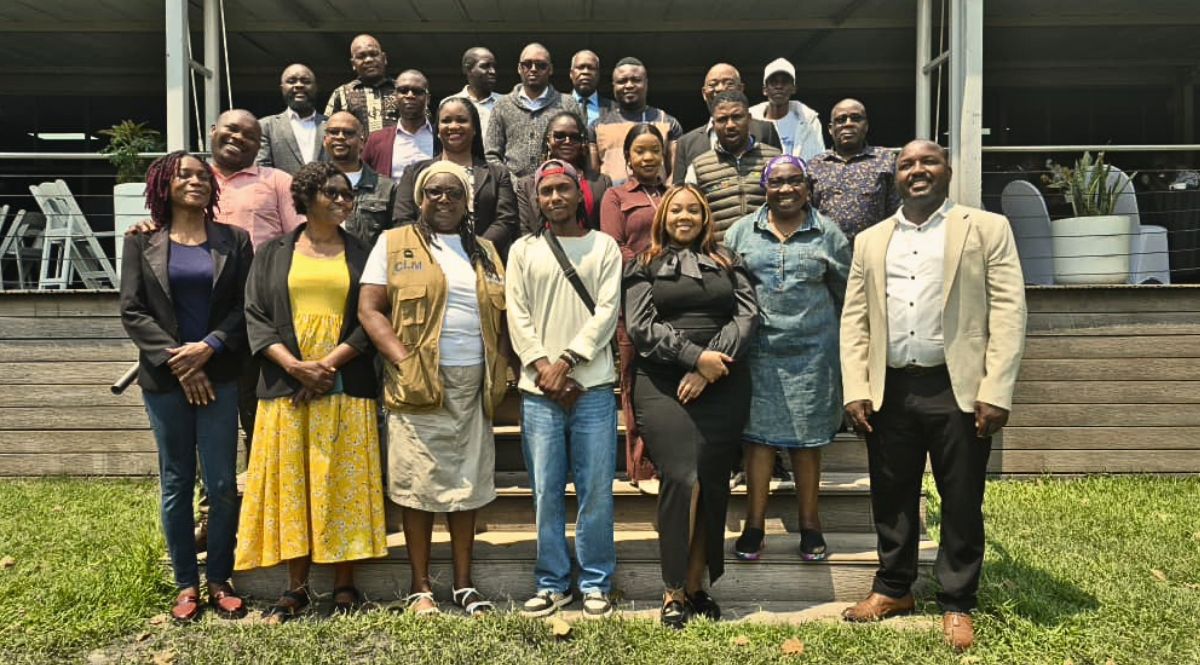
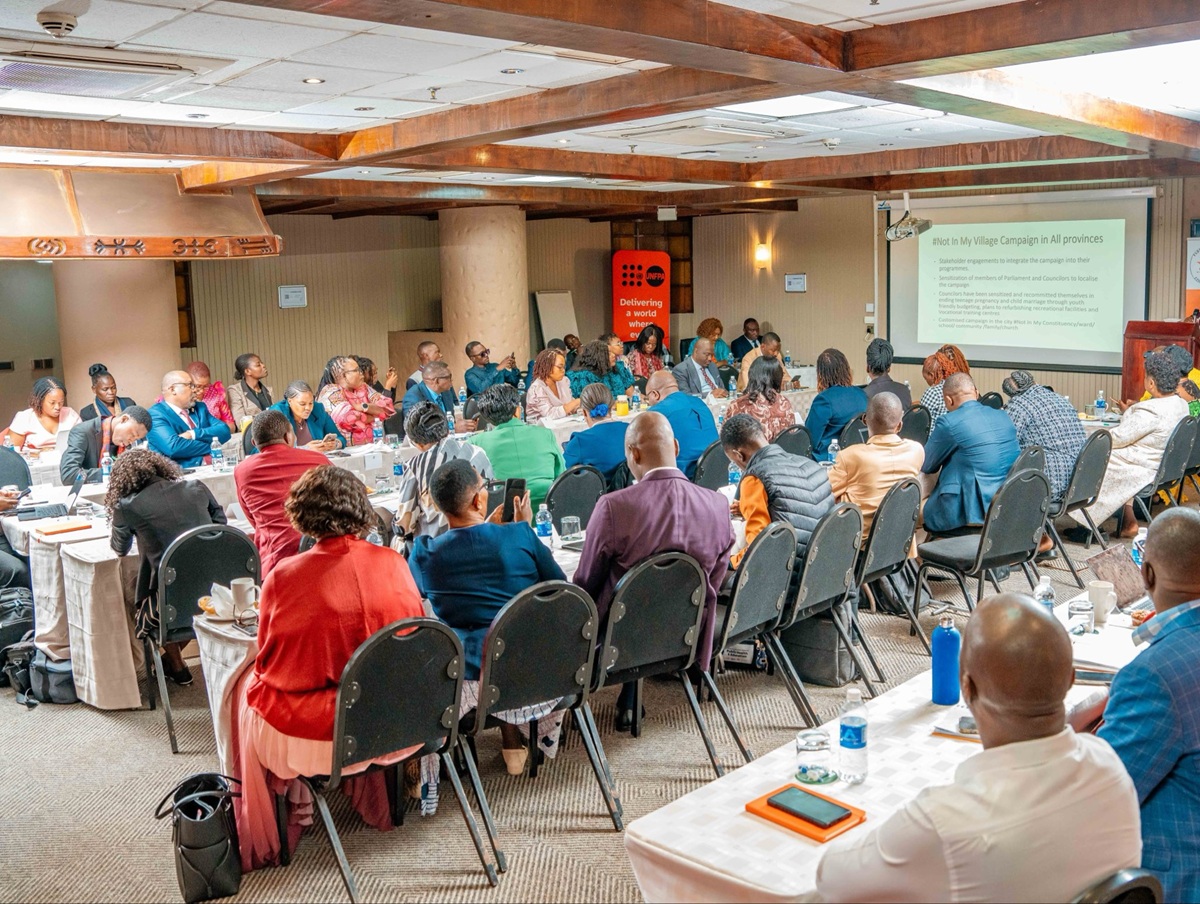
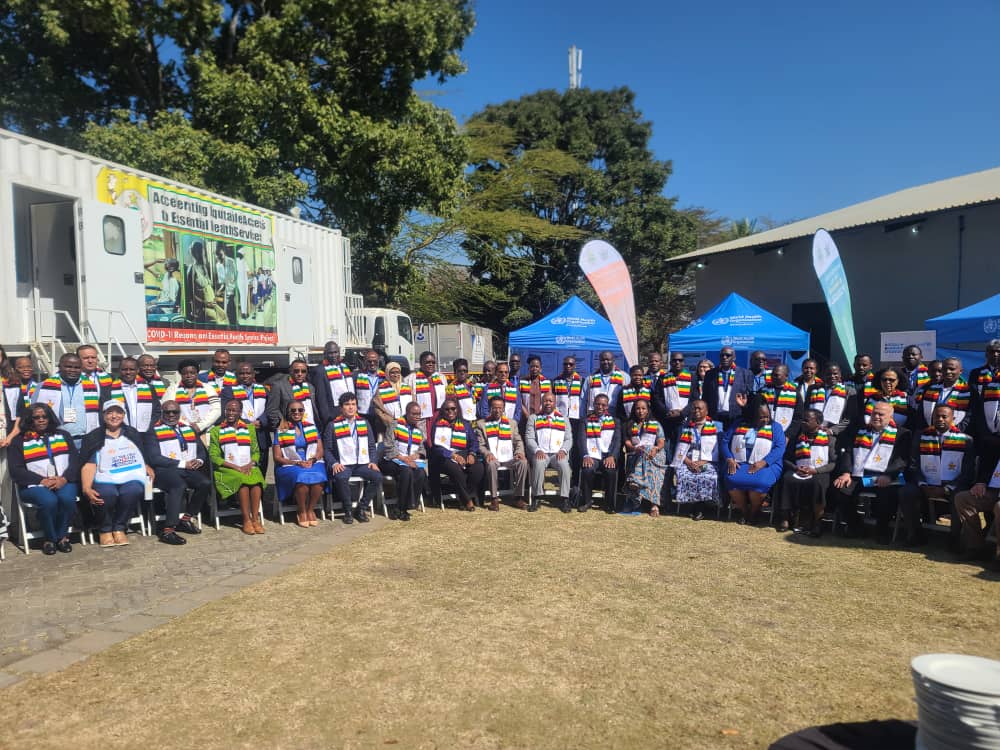
Zimbabwe is hosting a five-day Expanded Programme on Immunization (EPI) Managers’ Meeting, bringing together representatives from 21 East and Southern African countries to explore ways of making immunisation programmes more sustainable as governments assume greater ownership of vaccination initiatives.
The meeting has attracted development partners, officials from Gavi, the Vaccine Alliance, global vaccine manufacturers, epidemiologists and community health workers.
It comes as countries reach the midpoint of Gavi 6.0 and the Immunization Agenda 2030, a period marked by a shift towards greater national leadership, local priority-setting and reduced dependence on external funding.
Officially opening the meeting, which ends on Friday, Health and Child Care Ministry Permanent Secretary Dr Aspect Maunganidze said the gathering was critical as countries sought practical ways of translating national ownership into sustainable immunisation programmes.
“So this meeting is really very important for us as we are entering the Gavi 6.0 strategy period while reaching the midpoint of the Immunization Agenda 2030. The question before us is not whether countries should own their immunisation programmes, but how we translate that ownership into sustainable financing, resilient systems and measurable results,” he said.
Dr Maunganidze said Zimbabwe’s immunisation agenda was firmly anchored in the National Development Strategy 2 and the National Health Strategy, both of which prioritise equitable access to quality healthcare and universal health coverage.
“Our aspiration is very simple. Every child, regardless of where they are born or where they live, deserves the protection that modern vaccines provide. This is in line with President Emmerson Mnangagwa’s commitment to leave no one and no place behind.”
He said national ownership went beyond financing to include building resilient institutions, strengthening community trust and ensuring that available resources delivered maximum impact.
“What we call more health for the money and more money for health, that intricate relationship will enable us to achieve more.”
Despite fiscal constraints, Dr Maunganidze said Zimbabwe continued to prioritise immunisation through domestic financing and remained committed to meeting its co-financing obligations under the Gavi partnership.
“We do so because immunisation is not simply a health intervention. We believe it is one of the smartest investments a nation can make in its people, its economy and its future,” he said.
UNICEF Representative to Zimbabwe Etona Ekole commended the Government for maintaining strong political commitment to childhood vaccination.
“The government of Zimbabwe has been doing extremely well in ensuring that vaccines are available by providing the financing for vaccines,” she said.
Ekole said UNICEF complements government efforts by strengthening vaccine storage systems, training frontline health workers and supporting community mobilisation.
“We ensure that cold chain equipment is in place so vaccines are stored properly. We support the training of health workers and community health workers, who play a critical role in helping families understand the importance of vaccination.
“We also provide bicycles so vaccines can reach the most remote communities, ensuring that every child, no matter how far away they live, has access to life-saving immunisation services,” she said.
World Health Organization (WHO) Representative to Zimbabwe Dr Desta Tiruneh said Zimbabwe had demonstrated what sustained political commitment and long-term investment in immunisation could achieve.
“It is particularly fitting that we gather here in Zimbabwe, a country that has become a strong example of what sustained political commitment, sound political leadership and long-term investment in immunisation can achieve,” he said.
WHO Africa Regional Office Lead for the East and Southern African sub-region, Dr Sarah Wonyioke, said the annual meeting provided an opportunity for countries to assess progress and identify strategies for improving immunisation programmes.
“We have representatives from 21 countries in East and Southern Africa, together with partners including WHO, UNICEF, Gavi, the Bill & Melinda Gates Foundation, JSI, PATH and Rotary.