
By Michael Gwarisa
Zimbabwe has more than one million people living with HIV on antiretroviral therapy, but people who interrupt or abandon treatment are continuing to return to health facilities with advanced HIV disease, the stage commonly associated with AIDS, and are among those dying from the disease.
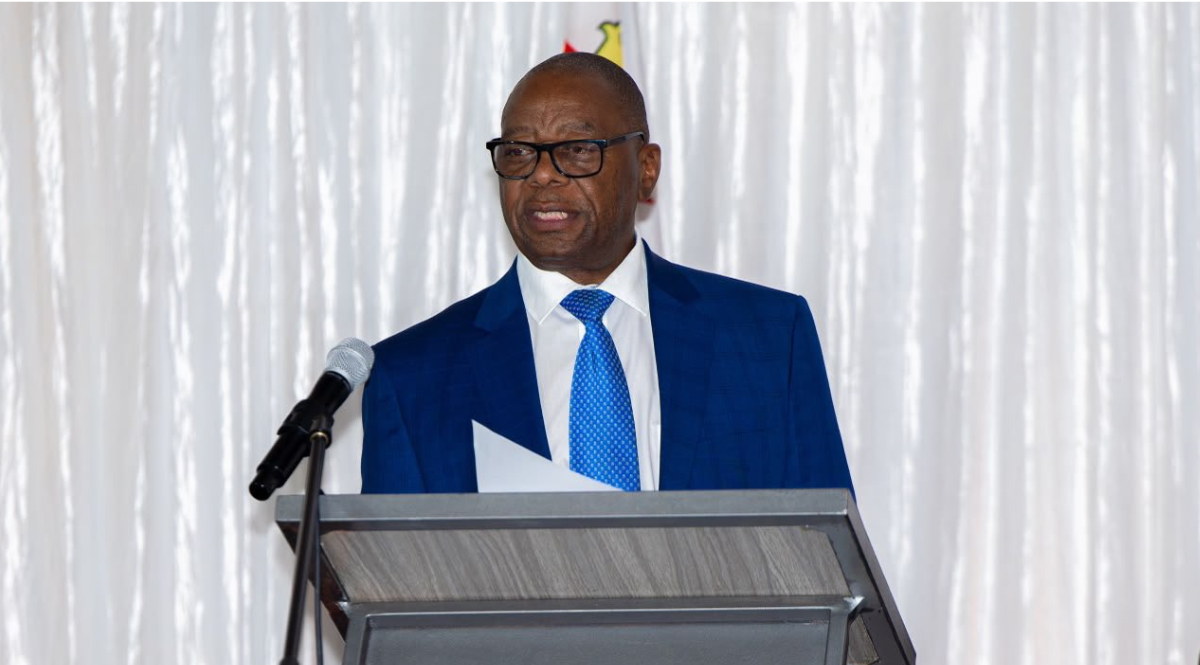
Dr Owen Mugurungi, Director of the AIDS and TB Malaria Unit in the Ministry of Health and Child Care, said the country was increasingly seeing patients presenting with advanced HIV disease despite the widespread availability of antiretroviral medicines.
“Why are people still dying of HIV and AIDS?” Dr. Mugurungi asked, noting that many of those now presenting for assessment and treatment were arriving with advanced HIV disease.
Advanced HIV disease (AHD) is generally characterised by severe immune suppression, including a CD4 count below 200 cells/mm³ in adults and adolescents. At this stage, patients are vulnerable to serious opportunistic infections and other complications and require more intensive clinical management.
Dr. Mugurungi said the patients presenting with AIDS were largely people who had defaulted on HIV treatment, allowing their immune systems to deteriorate before they returned to care.
The development presents a significant challenge for Zimbabwe’s HIV response, which has made substantial progress in expanding access to antiretroviral therapy.
By the end of 2025, 1.23 million of an estimated 1.30 million people living with HIV in Zimbabwe were receiving antiretroviral treatment, according to the 2025 Zimbabwe UNDP and Global Fund annual report. This represented 94.95% treatment coverage.
Yet thousands of people continue to die from AIDS-related illnesses. The latest WHO/UNAIDS estimates put Zimbabwe’s AIDS-related deaths at 16,723 in 2024, equivalent to an AIDS mortality rate of about 0.9 deaths per 1,000 people.
While the number represents a major decline from previous years, the continuing deaths highlight the danger of falling out of HIV care.
Dr. Mugurungi said the Ministry was working with partners, including AIDS Healthcare Foundation (AHF), to identify patients with advanced HIV disease and ensure they receive appropriate care.
Zimbabwe began providing HIV treatment in 2004 after initially introducing prevention of mother-to-child transmission services in 2002. Over the years, the country has expanded treatment to more than one million people and achieved the UNAIDS 95-95-95 targets.
However, the treatment programme can only prevent HIV from progressing to AIDS when patients remain engaged in care and take their medicines consistently.
Mugurungi said the response was therefore increasingly focused not only on putting people on treatment but also on improving the quality of care and preventing unnecessary deaths.
Patients presenting with advanced HIV disease may also have other serious health conditions. Mugurungi said HIV services were increasingly identifying and managing conditions including kidney disease, hepatitis B and cardiovascular complications among people living with HIV.
The challenge of treatment interruption is also reflected in recent modelling of HIV-related deaths in Zimbabwe. A 2026 study comparing several models estimated between 3,666 and 17,475 HIV-related deaths in Zimbabwe in 2025. Across the models, people who had interrupted ART accounted for between 17% and 29% of HIV-related deaths.