By Michael Gwarisa
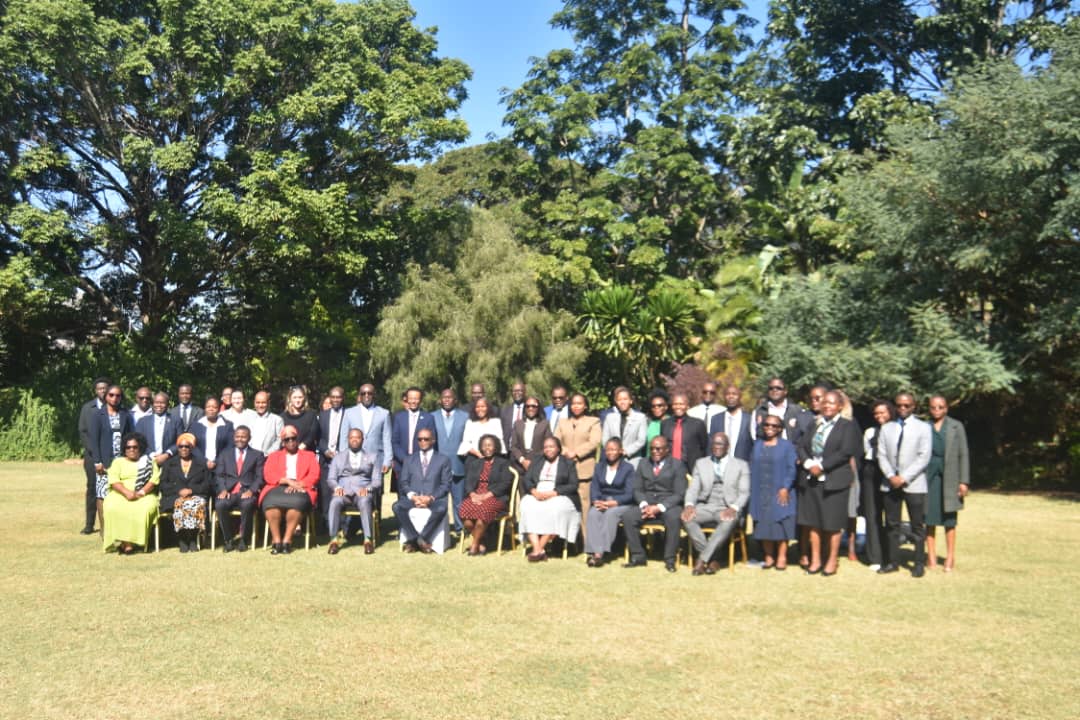
In a bid to enhance nutrition advocacy and strengthen policymaker engagement on child nutrition and development, Zimbabwe has launched a network of nutrition champions, an initiative that is now gaining momentum and driving greater collaboration across sectors.
The programme is being implemented by the Zimbabwe Civil Society Organisations Scaling Up Nutrition Alliance (ZCSOSUNA), with financial and technical support from UNICEF, in collaboration with key government ministries and departments.
The launch followed a recent report by the Zimbabwe Livelihoods Assessment Committee (ZimLAC), which revealed that stunting remains a critical challenge for Zimbabwe’s children. The report shows that 23.8% of children aged 6–59 months were stunted, underscoring the urgency for sustained action on nutrition.
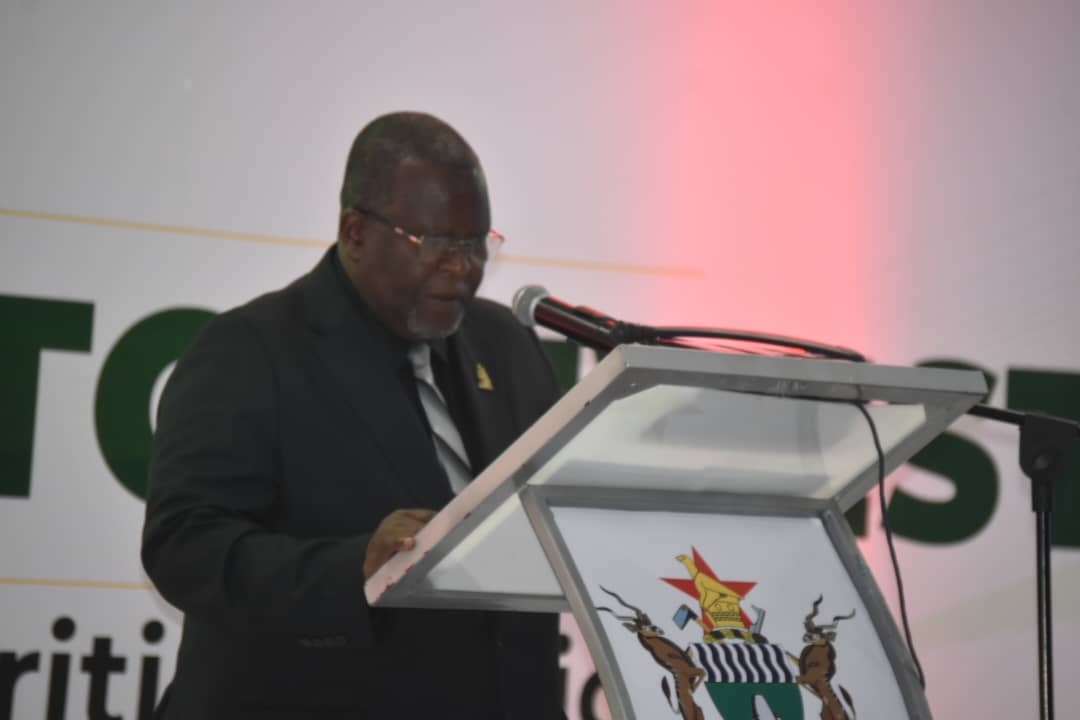
Speaking during the launch, Mr. Kudakwashe Zombe, the coordinator for ZCSOSUNA, said the project has made significant progress in building strong advocacy around child nutrition issues.
We have done quite a lot since 2024. We have engaged parliamentarians at the new Parliament Building, conducted media training sessions for journalists on nutrition reporting, and worked with child parliamentarians to push advocacy at their level,” said Mr. Zombe.
The project has also organised workshops and seminars to provide in-depth briefings and facilitate expert discussions on nutrition. It has supported parliamentary tours and training sessions to ensure policymakers gain a comprehensive understanding of nutrition issues and recognise the urgency of addressing malnutrition in Zimbabwe.
“The goal is simple: to build and sustain a strong network of nutrition champions in Zimbabwe who can lead, advocate, and mobilise action for improved nutrition outcomes at all levels of society.”
According to Mr. Zombe, the champions are expected to influence policy reforms, mobilise domestic resources, and drive community engagement on nutrition. He added that the initiative draws lessons from global best practices and aims to institutionalise a systematic approach to identifying and supporting champions who can sustain advocacy for nutrition within government, civil society, media, academia, and the private sector.
Meanwhile, Dr. Mike Makheto, a nutrition consultant, said Zimbabwe continues to face high levels of malnutrition, making the nutrition champions network timely and necessary.
“One in four children under five in Zimbabwe are stunted. There are also high micronutrient deficiencies among women and children. Despite various initiatives, gaps remain in sustaining political will and accountability among stakeholders,” said Dr. Makheto.
He added that while influencing nutrition policy, strategy, and political priorities can be complex, especially for those with limited power and resources, there is a need for constant engagement with key stakeholders, including politicians, interest groups, advisers, bureaucrats, and other actors.
Honourable Judith Tobaiwa, a member of the Parliamentary Portfolio Committee on Health, said there is limited knowledge of nutrition budgeting within Parliament, hence the need for continuous engagement and capacity building.