By Michael Gwarisa in Binga
Just like most parts of the country, Binga villages are preparing their land for the forthcoming 2025/26 agricultural season. The clanging of hoes against dry earth echoes across the fields as farmers race the sun to prepare their land.
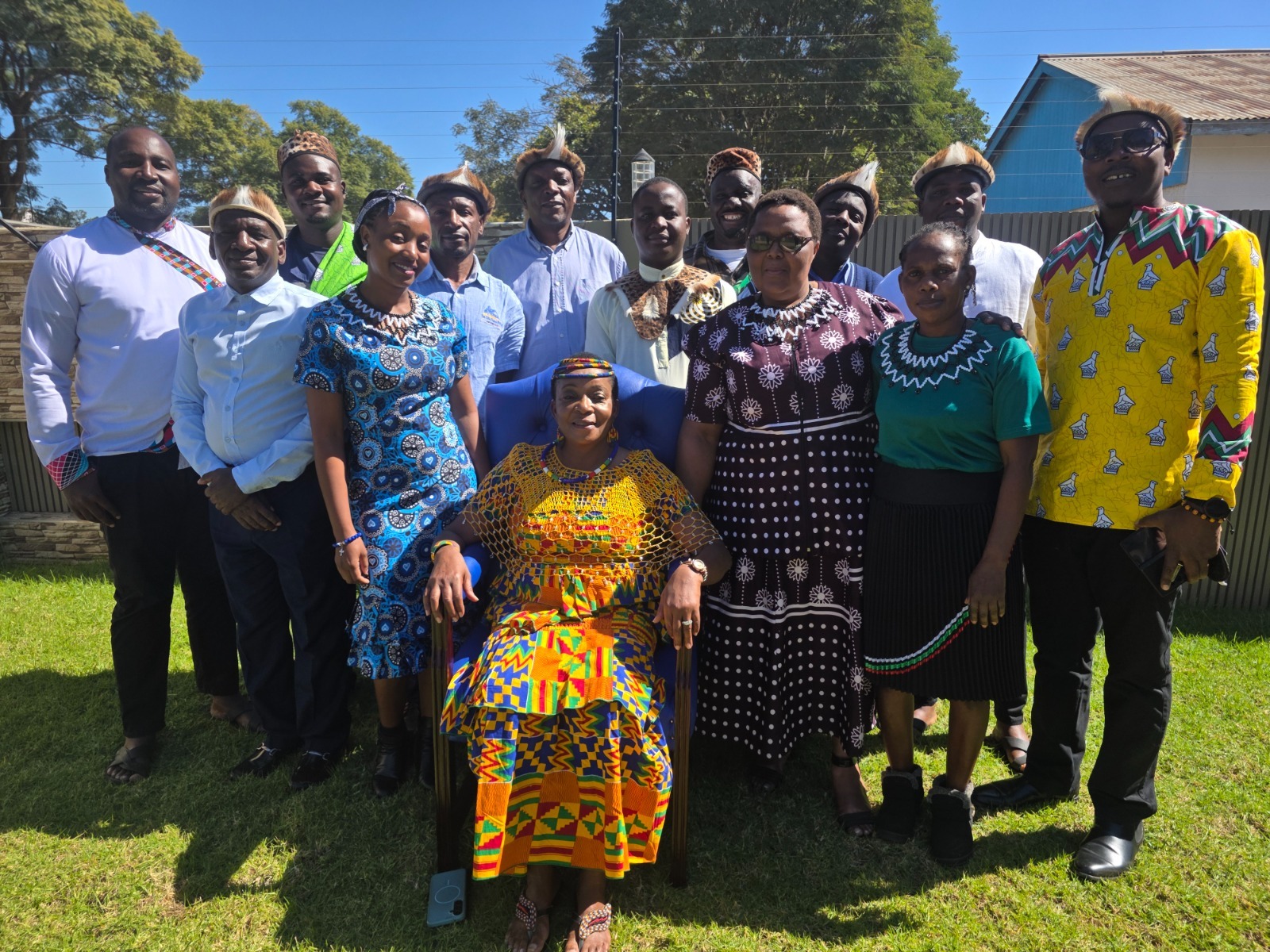
At one homestead, Vivian Saba greets us with a warm smile, accompanied by her mother. Vivian volunteers as treasurer of the community seed bank, an innovative seed preservation facility designed to ensure farmers have access the best-suited seeds for their environment.
A few minutes later, she walks into the community seed bank, a structure built from farm bricks with a zinc roof.
“We used to struggle with poor seed quality and low germination rates whenever the rainy seasons came,” Vivian explains.
“This community seed bank has helped us tremendously. The Red Cross initiated the project, which covers three clusters: Mpambe, Saba, and Cheemba. It has given us a permanent structure we can rely on for generations.”
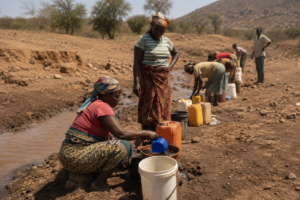
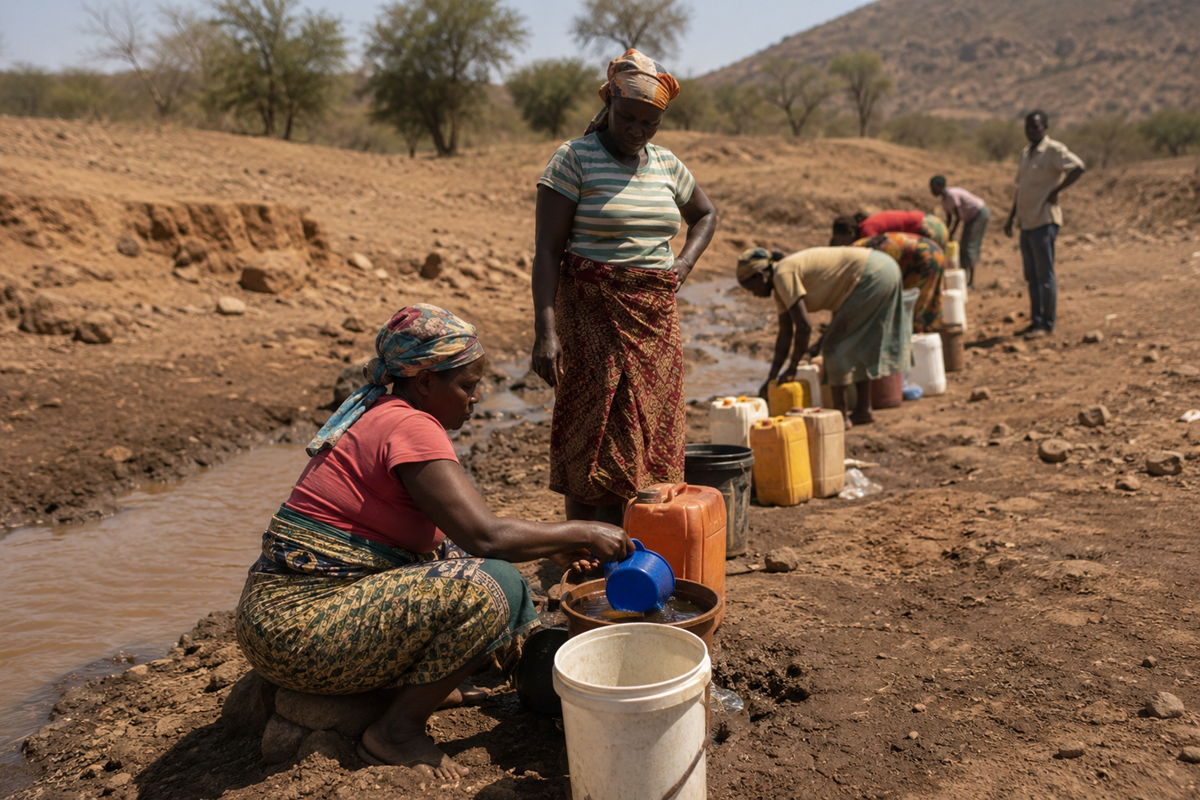
For decades, Binga has been plagued by unending droughts, poor soils, and deepening poverty. Families have long battled erratic rainfall, forcing many to migrate in search of better farming conditions. The semi-arid climate, coupled with high temperatures, has made both crop and livestock production increasingly difficult. According to the 2025 Zimbabwe Livelihoods Assessment Committee (ZimLAC) report, communities in Binga continue to rank among the most food-insecure in the country, with limited access to clean water and sustainable livelihoods.
However, Binga is rewriting its story through climate-smart agriculture and livelihood interventions supported by the Zimbabwe Red Cross Society (ZRCS) and the Finnish Red Cross Society. These interventions include not only the seed bank but also training farmers in climate-smart practices, such as crop rotation, intercropping, and drought-resilient cultivation techniques, enabling them to adapt to changing weather patterns.
Before the seed storage facility was built, we used to lose most of our small grains to pests and poor storage conditions. Now our harvests are safe, and we have enough seed to plant the next season,” says Vivian, a beneficiary of the ZRCS and Finnish Red Cross climate resilience project.
Her story reflects a growing transformation across several wards in this drought-prone district.
The seed bank is part of a series of responses implemented by the Zimbabwe Red Cross Society, with support from the Finnish Red Cross, aimed at building resilience and restoring livelihoods. These include the establishment of seed storage facilities for small grains across three wards, installation of a three-kilometre water pipeline drawing from the Zambezi River, and income-generating projects such as grinding mills and poultry rearing for women, youth, and the elderly. The project also improves inclusivity through the construction of disability-friendly toilets in schools and communities, ensuring that even the most vulnerable benefit from the ongoing transformation.
Nelson Nkuli, Livelihoods Officer under the project, said the community seed bank has improved the quality of seed for villagers.
“You find that here in Binga we face a challenge of quality seed that is viable and adaptable to local conditions. We asked ourselves how we could address this challenge as a community, especially considering climate change. Under the project, we are working with a hundred seed growers producing locally adaptable seeds, mainly traditional grains. Recently, we have focused on pure millet,” said Nkuli.
He explained that most of the traditional grains are open-pollinated varieties, which can remain productive for three to five seasons without declining in yield. Once harvested, these seeds are safely stored in the fumigated community seed bank. The facility can store a variety of seeds, including groundnuts, millet, banana shears, and other local crops, with a total capacity exceeding a tonne.
The project has already benefited hundreds of households. Farmers report higher germination rates, better crop yields, and reduced losses to pests and poor storage conditions. For many families, this means fewer migrations, more stable incomes, and greater food security. Children now help with planting and harvesting, giving them a sense of ownership over the family farm.
Looking ahead, the Red Cross partners plan to expand the seed bank program to other wards in Binga, introduce additional drought-resilient crops, and provide ongoing training in sustainable farming techniques. For villagers like Vivian, the community seed bank represents not just a structure, but a lifeline that protects livelihoods and strengthens resilience in the face of a changing climate.