By Munyaradzi Blessing Doma
For decades, global public health experts have agreed on one thing: banning a dangerous substance rarely eliminates its use. It often pushes the trade underground, where governments lose visibility and control. Regulation, however, gives policymakers room to monitor, manage and gradually reduce harm.
This tension now sits at the center of a growing global debate. As the World Health Organization (WHO) considers tightening international controls on tobacco production under the Framework Convention on Tobacco Control (FCTC), major tobacco-producing economies fear that sweeping restrictions could trigger economic and social crises.
Zimbabwe is among these countries. The Southern African nation’s economy is heavily tied to tobacco, which remains its fourth-largest foreign currency earner after gold, platinum and diaspora remittances. This year, the crop generated about US$1.2 billion, contributing nearly 10 percent of agricultural GDP and supporting more than 135,000 growers nationwide.
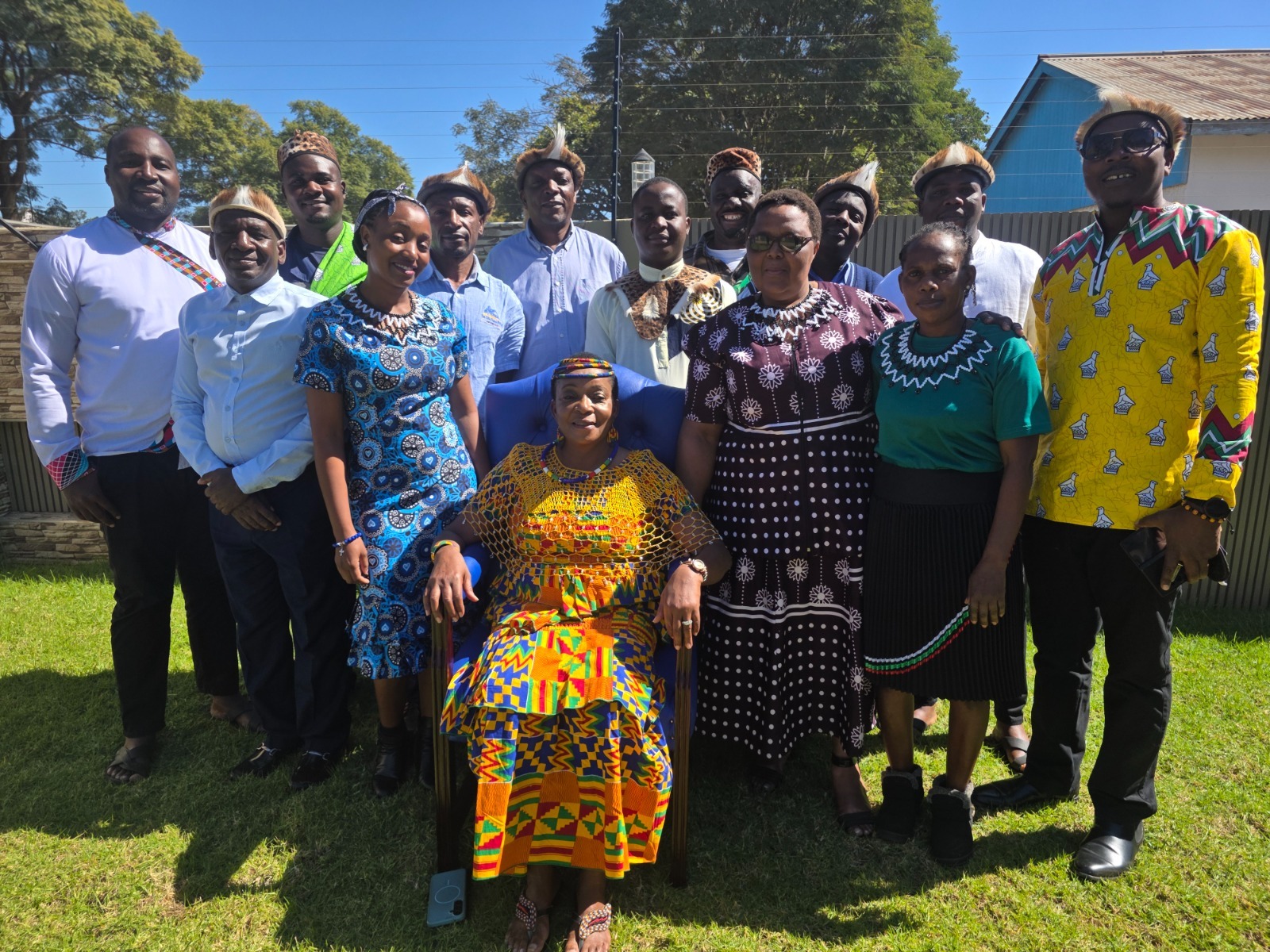
Lands, Agriculture, Fisheries, Water and Rural Development Minister Dr Anxious Masuka warned that the latest WHO-led push at the COP 11 meeting currently taking place in Geneva, could destabilise entire communities. Speaking during the recent T5 Meeting in Harare, which brought together tobacco-producing nations such as Tanzania, Malawi, Mozambique, Zambia and Zimbabwe, Dr Masuka said coordinated pressure from anti-tobacco forums could cripple economies that rely on the crop.
In Zimbabwe, the tobacco sector faces a few headwinds such as the WHO-led anti-smoking lobby, stricter traceability requirements, environmental concerns from deforestation, child labour accusations that must be demystified, perceived concentration risk in contract financing, low inclusivity in some parts of the value chain, nesting and side marketing, as well as outdated legislation,” he said.
“This Tobacco Value Chain Transformation Plan will address many of the local challenges, while this meeting of T5 countries will address the international lobby challenges.”
Dr Masuka said efforts to criminalise tobacco production are unjustified and added, “Smoking is an adult choice, and for T5 economies, tobacco is a legal crop that should continue to be grown without any fear.”
His concerns echo warnings from public health and policy experts who argue that bans rarely work as intended. Professor Dr Sharifa Ezat Wan Puteh is among them. Speaking on the third day of the Taxpayers Protection Alliance’s Good COP 2.0, she cautioned that outlawing tobacco production in producer nations risks fuelling illicit markets and worsening health outcomes rather than improving them.
“I think it is very clear that a complete ban would not be effective. We have seen it with alcohol and drugs. We have had the war on drugs for many years, even with capital punishment, but people still use drugs. In some cases the problem becomes worse,” she said. “A complete ban would just not work.”
She added that prohibitions tend to accelerate illicit markets. “It will go underground and we are not able to control it anymore.”
She also noted that people often turn to nicotine for reasons linked to anxiety, emotional strain or mental health.
“There are other problems as well, meaning that people develop dependency because of stress or heavy workloads,” she said.
According to her, the solution lies in evidence-based regulation and wider access to safer nicotine alternatives. Countries that have successfully lowered smoking rates, she argued, have done so by integrating harm-reduction products into their systems.
“So regulation would play a role. Adoption of regulation is very important. I think they should allow some form of tobacco harm reduction,” she said. “At least to start, maybe a prescription model. It is not the best, but it would help people in the community who really need harm reduction.”
She added, “Balanced regulation means allowing some form of tobacco harm reduction. We can improve controls on disposable items, dosing and other issues. But a complete ban would create an underground market, as seen in Australia.”
Dr Wan Puteh said that vendor registration, already used in Malaysia, is one approach that can help governments track and manage nicotine product distribution.
“We do not have this yet because products are still allowed in some form, and the illicit market is flourishing. This is worrisome,” she said. “The Ministry of Health cannot manage this alone. It requires policymakers, customs and other authorities to work with them. There are many aspects involved.”
She warned that without regulation, unregistered suppliers could target schools and vulnerable communities.
“We need to register sellers because at this point we do not know who is selling legal or good quality vape liquids and who is selling liquids tainted with drugs. They operate like a Multi-level Marketing system, MLM. They go into schools and encourage young people to try them. The kids then become agents and so on. This is worrisome,” she said.
International case studies support her argument. Countries such as the United Kingdom, Sweden, Australia and Uruguay have used strong tobacco control policies combined with regulated nicotine replacement therapies (NRTs) to reduce smoking rates significantly.
The UK integrated nicotine patches, gums and lozenges into its public health system, contributing to a fall in smoking prevalence to around 13 percent by 2023. Sweden, widely recognised as a global success story, embraced safer alternatives like snus while regulating NRTs. The country now has smoking rates under 6 percent, the lowest in the EU. Uruguay, the first in Latin America to adopt comprehensive tobacco control, also saw significant declines in smoking after regulating NRT access.