By Michael Gwarisa in Mat South
In most parts of Matabeleland South, the festive season does not only bring tinsel and holiday cheer. It brings something far more complicated. Bottle store owners and shopkeepers prepare for football tournaments that turn their businesses into instant profit zones, while a quieter and more vulnerable anticipation grows among young girls in the villages.
They know the Injiva are coming. These are men returning from South Africa or Botswana with cash in hand and the confidence to spend it. For many girls, the homecoming looks like an escape route or a promise of a better life. For others, like 19-year-old Thandeka Dube from Matjinge in Bulilima, last year’s festive season left painful scars she is still learning to live with. She contracted a Sexually Transmitted Infection.
“I had just finished Form Four and didn’t have anything to do. I thought dating one of these boys from down south would be a quick escape from my situation,” she said. “We had unprotected sex during one of the tournaments. I got sick soon afterwards. Later, they discovered it was an STI. I thank God I didn’t fall pregnant.”
For 20-year-old Sanelisiwe Dube, the consequences were even heavier.
“I didn’t return home that night. One of the boys convinced me to stay, and we had unprotected sex,” she said. “My baby is now a year and six months old, but sometimes I feel stuck when I see girls my age moving on.”
With Christmas approaching, health authorities fear many more girls across Matabeleland South will fall into the same cycle, tempted by quick cash and gifts, only to be left with unintended pregnancies, infections and lifelong emotional burdens.
Bulilima, the Epicentre of a Silent Crisis
Bulilima, a border district adjoining Botswana, has emerged as one of the hardest-hit areas in the province. It has the highest female HIV incidence in Matabeleland South at 0.38 percent, and an HIV prevalence of 17.6 percent, which is significantly above the national average.
STIs are also surging. Between January and June 2025, males recorded 409 cases, while females recorded 375. Adolescents aged 10 to 19 contributed 113 cases, revealing early sexual exposure. Young adults aged 20 to 34 accounted for 504 cases, representing 64 percent of all infections.
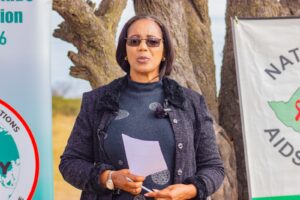
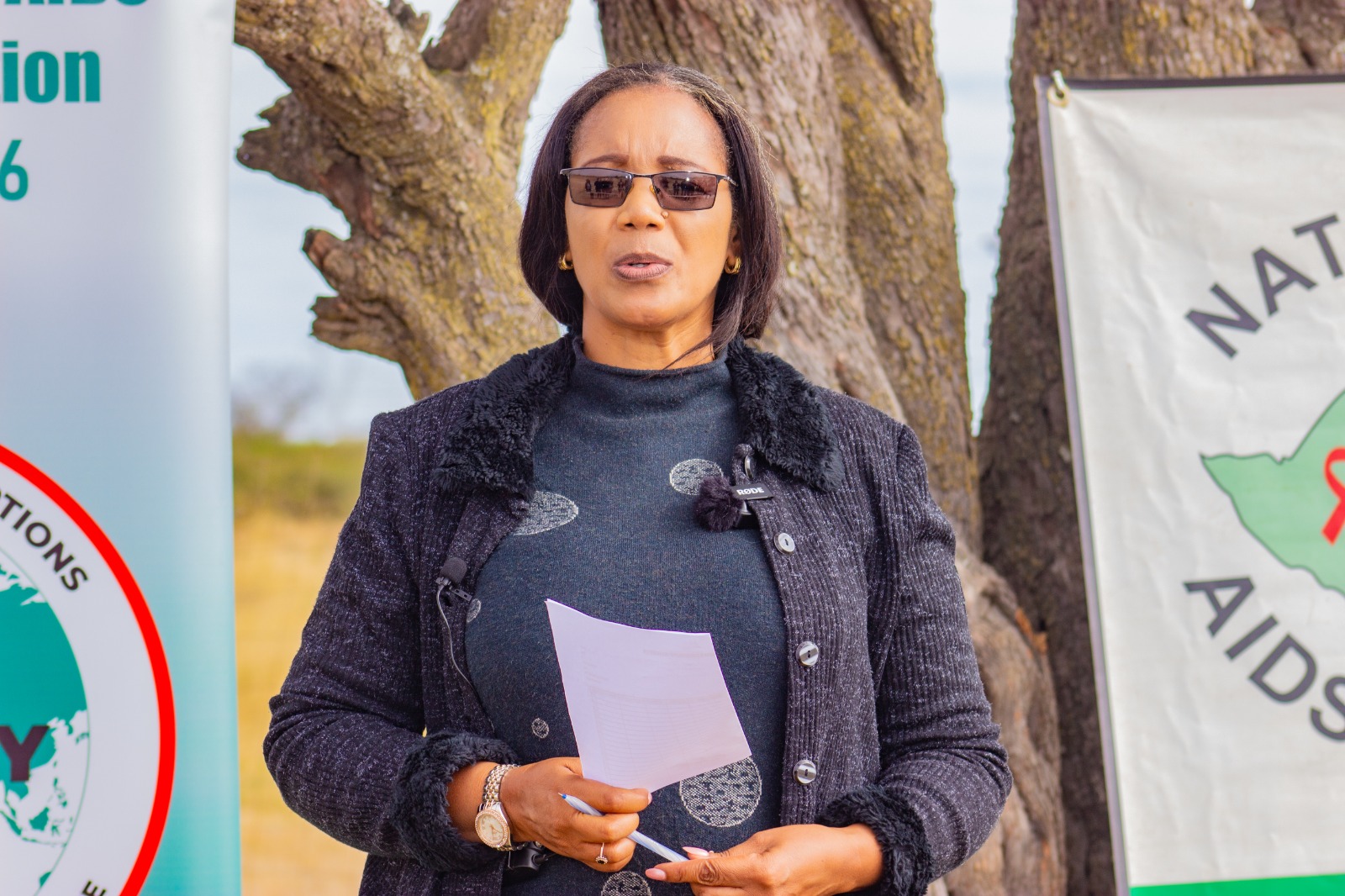
Mr Ronalda Hanyane, the NAC District AIDS Coordinator for Bulilima, said the festive season brings an annual spike in infections driven largely by Injiva.
“Come Christmas festivals, they are coming, and they would like to experience almost every girl around. And the girls are also waiting for them. They know our brothers are coming with the money. That is the situation here,” said Hanyane. “Some hide behind poverty, and the only source of income becomes these men from South Africa or wherever.”
He said clinic data shows a worrying rise in infections among young girls.
“When we compare figures per clinic, we realise that new STI infections are still showing up. Mainly, they are affecting our young girls aged 14 to 24. That is where the highest point of the graph is, compared to boys of the same age,” he added.
A Provincial Pattern, Different Faces of the Same Problem
The crisis is not limited to Bulilima. Several districts in Matabeleland South show the same pattern of high HIV prevalence, especially among adolescent girls and young women. Mangwe and Gwanda also record prevalence figures above the provincial average of 15 percent.
In Matobo, which has a female HIV incidence of 0.29 percent, health workers are already seeing an uptick in STI cases as some Injiva arrive early for the holidays.
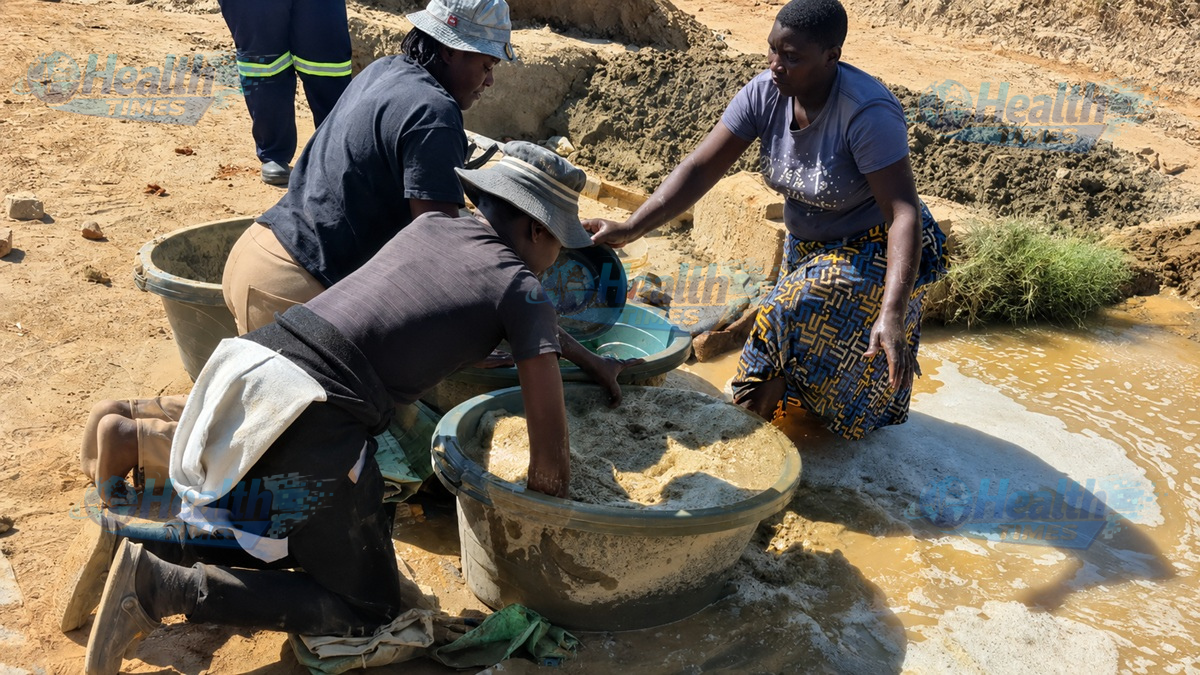
Mr Lawrence Ncube, the District AIDS Coordinator for Matobo, said two forces are driving infections in the district: artisanal mining and Injiva.
“Just close to here we have a mine where people from all over the country come and do gold mining. They engage in sexual activities, and in the process, they transmit STIs,” said Ncube.
He said many cases are recorded at Mapisa District Hospital and that the situation worsens when Injiva return home.
“With the Injivas coming, they do not want to use condoms. They speak of lobola and marriage, and in marriage people do not use condoms. But we do not know what they are doing out there. When they come here, they don’t want to use condoms. After every holiday, our trends go up. We have already started recording new cases,” he said.
In Beitbridge, the story has a different twist. There, STI cases are rising mostly among young men.
“We are now getting STIs in the males. These are young men in their twenties who run illegal clearing operations here in the border town. When they come for treatment, they tell us they got the STIs from workers in the popular touch-line or red-light districts here,” said Nyarai Shumba, nurse site coordinator at a sex workers clinic in Beitbridge.
Challenges That Make Girls More Vulnerable
Across districts, several challenges keep fuelling the crisis. Injiva influxes create a seasonal wave of risk. Football tournaments during the festive period attract huge crowds and often spill deep into the night and into bars and bottle stores where supervision disappears.
“We have these tournaments throughout all the districts,” said Ncube. “Businessmen sponsor them because they profit from the events. The problem is the tournaments spread into the night and do not end at the playgrounds. They end in business centres where the gigs are happening.”
Condom shortages have also become a serious risk factor.
“We are worried. It is a rural area, but it is second in terms of STIs. Worse still, we now have a shortage of condoms. We were in a slide-down trend, but since the donor cuts, our cases are now increasing,” Ncube said.
Mr Hanyane added that boys are also getting infected when they later marry girls who had relationships with Injiva in their teens.
“Young girls who were infected earlier end up infecting young men who want to marry them. This is why infections among 35 to 40 year olds are rising,” he said.
Community Response: Sista2Sista Steps In
The National AIDS Council is implementing multiple interventions to curb infections and early marriages. Across districts, the Not In My Village campaign is bringing together traditional leaders, business owners and health officials.
“We are working with chiefs and business people to monitor the sports tournaments and ensure games end at the football fields. We want the children to go home soon after the games,” said Ncube.
In Bulilima, the Sista2Sista programme has become an anchor of support for adolescent girls.
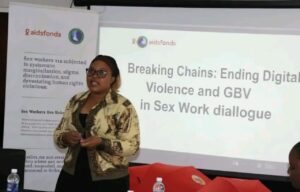
Nonhlanhla Ndlovu, a peer educator with Sista2Sista, said the programme helps girls understand their self-worth and resist the temptations of transactional sex.
“We talk to them about relationships, contraception and the tricks older men use. Most of the girls who fall for Injiva do it because they feel they have no options. We are trying to show them they do,” she said.
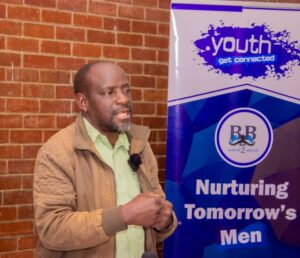
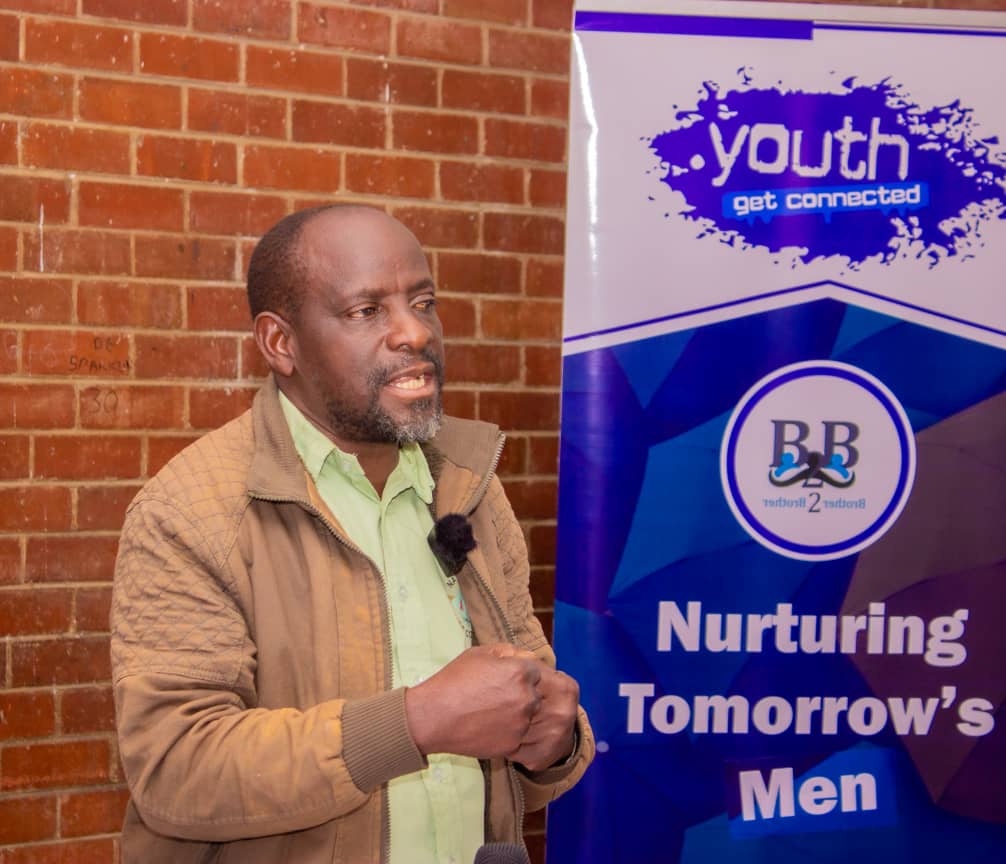
The programme offers counselling, mentorship and follow-up support for girls who become pregnant or contract STIs. A Brother-to-Brother programme is also running parallel to Sista2Sista and helps adolescent boys make better choices about their sexual and reproductive health and their future.
A Season of Joy, A Season of Risk
Whether the tide will turn depends on strengthened community action, consistent interventions and whether young people, both girls and boys, find safe spaces that empower them to make healthier choices long after the Injiva have gone back across the border.