
Michael Gwarisa
As 2026 began, the National Blood Services of Zimbabwe (NBSZ) reported that the country’s blood banks were facing shortages. Unfortunately, this is not a new problem. Blood shortages have become a recurring challenge in Zimbabwe, affecting hospitals and clinics across the country.
A healthy blood bank should maintain at least five days’ supply of blood at any given time, according to global standards. However, at the start of this year, Zimbabwe’s blood stock was running on less than a single day’s supply. On average, the country requires 315 units of blood per day to meet demand.
The situation improved after a partnership with Redan Petroleum, which sponsored blood collection drives and supported donors with fuel coupons and other incentives. According to NBSZ, the January target for the Redan partnership was 2,530 units, and the initiative collected 2,376 units. This represented 94 percent of the target and an 8 percent increase in blood donations compared to the same period in 2025.
The NBSZ conducts nationwide blood drives to maintain adequate stocks, with schools serving as one of the biggest sources of donors. Despite these efforts, one question remains: why is blood group O always in high demand?
Why Blood Group O Is Always in Demand
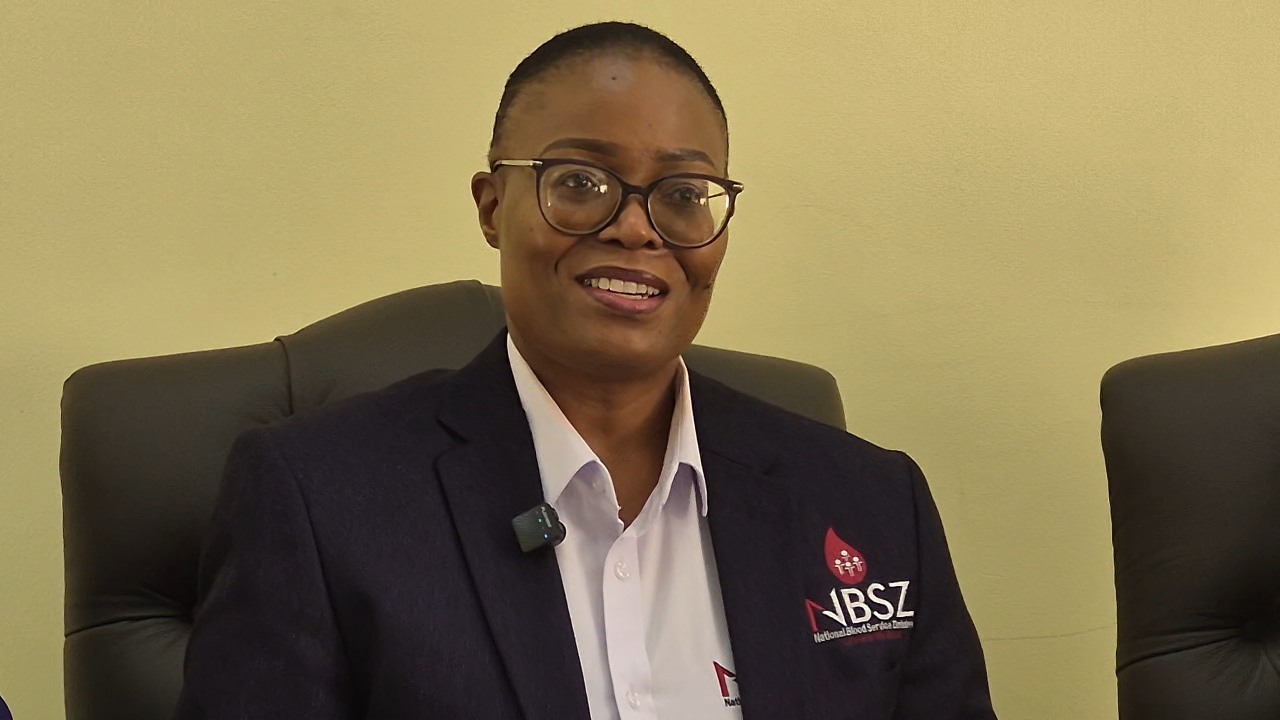
Lucy Marowa, CEO of NBSZ, explained that the high demand for blood group O is linked to its prevalence and universality. About 52 percent of Zimbabwe’s population has blood type O, while 24 to 26 percent are blood group A, and 18 percent are blood group B. Only about 4 percent of the population has blood group AB.
“When collecting blood at public drives, 52 percent of donations are type O, 26 percent are type A, 20 percent are type B, and four percent are AB,” Marowa said.
The demand reflects the same population ratio. Since most patients in hospitals are type O, the blood moves out quickly. Marowa added that even when blood collection targets are met, type O remains under pressure because it is transfused first in emergencies, sometimes without time for proper matching. Its role as the universal donor puts extra strain on blood group O stocks.
Who Can Donate Blood in Zimbabwe
In Zimbabwe, eligible blood donors must:
-
- Be 16 years or older
-
- Weigh at least 50 kilograms
-
- Be in general good health
The World Health Organization (WHO) provides comprehensive guidelines for safe blood donation. These guidelines ensure safety for both donors and recipients. They emphasize voluntary and non-remunerated donations, strict donor screening, and protection of donor health.
Key pre-donation checks include:
-
- Medical history review, including high-risk behaviors
-
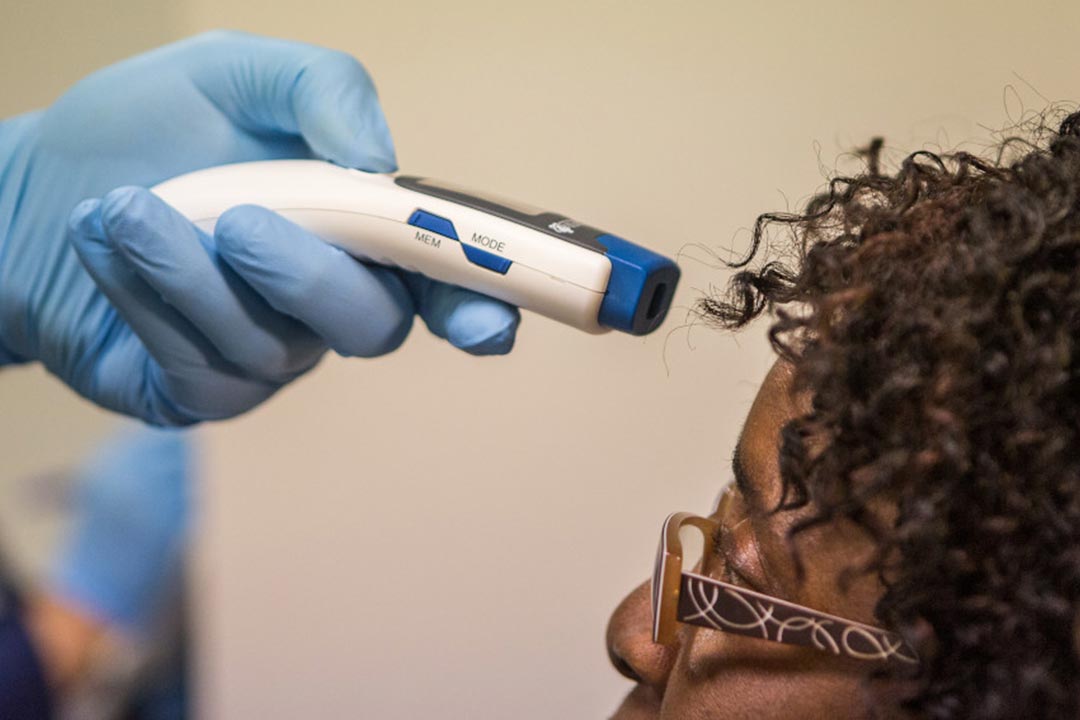
- Physical examination, including weight, blood pressure, and hemoglobin (≥13 g/dL for males, ≥12 g/dL for females)
-
- Informed consent
Donors with recent infections, certain medications, or high-risk behaviors are deferred.
Screening and Donation Frequency
All donors undergo mandatory screening for HIV, hepatitis B/C, and syphilis using quality-assured tests. Blood is then grouped and processed into components such as plasma.
According to WHO:
-
- Whole Blood Donations: Males every three months, females every four months (120 days)
-
- Platelets and Plasma: At least 48 hours between donations, not exceeding twice weekly or 24 times per year
Tattoos, Piercings, and Travel Deferrals
WHO guidelines recommend deferring donors with tattoos, piercings, or acupuncture for six months, even if procedures were sterile, to prevent infection transmission. Some local policies may allow shorter deferrals until healed.
Travelers to malaria-endemic areas such as Gokwe or Binga are deferred for at least three months after short stays. Residents in these areas may face indefinite deferral due to asymptomatic malaria risks. Travel to regions with high prevalence of transfusion-transmissible infections like Mpox, Zika, or Ebola requires individual assessment, usually ranging from four to twelve months depending on outbreak conditions.
Why Your Blood Donation Matters
Every blood donation can save up to three lives, especially for type O, which is always in high demand. Blood donations are critical for:
-
- Emergency surgeries
-
- Treating trauma victims
-
- Supporting patients with chronic conditions like anemia and sickle cell disease
-
- Maternal health during childbirth
With shortages being a constant concern in Zimbabwe, regular voluntary donations are essential to maintain a stable blood supply.
FAQs
Q: Can anyone donate blood in Zimbabwe?
A: No. Donors must be 16 or older, weigh at least 50 kilograms, and be in good health.
Q: Why is blood group O always needed?
A: Type O is the most common in Zimbabwe and is a universal donor, meaning it can be given in emergencies without matching.
Q: How often can I donate blood?
A: Males can donate whole blood every three months, females every four months. Platelets and plasma donations can occur more frequently with at least 48 hours between donations.
Q: Are there restrictions for tattoos or piercings?
A: Yes. WHO recommends waiting six months after tattoos, piercings, or acupuncture before donating.
Q: What about travel to malaria or high-risk areas?
A: Travel to malaria-endemic or high-risk infection regions may require deferral ranging from three months to over a year depending on exposure.
Q: How does donating blood help the community?
A: Every donation can save up to three lives, supporting surgeries, emergency care, chronic illness treatment, and maternal health.
Zimbabwe’s blood shortage is not just a statistic. It affects real patients every day. By understanding the critical need for blood group O and following donation guidelines, citizens can play a vital role in saving lives.
 Donate blood today and help save lives.