
Michael Gwarisa
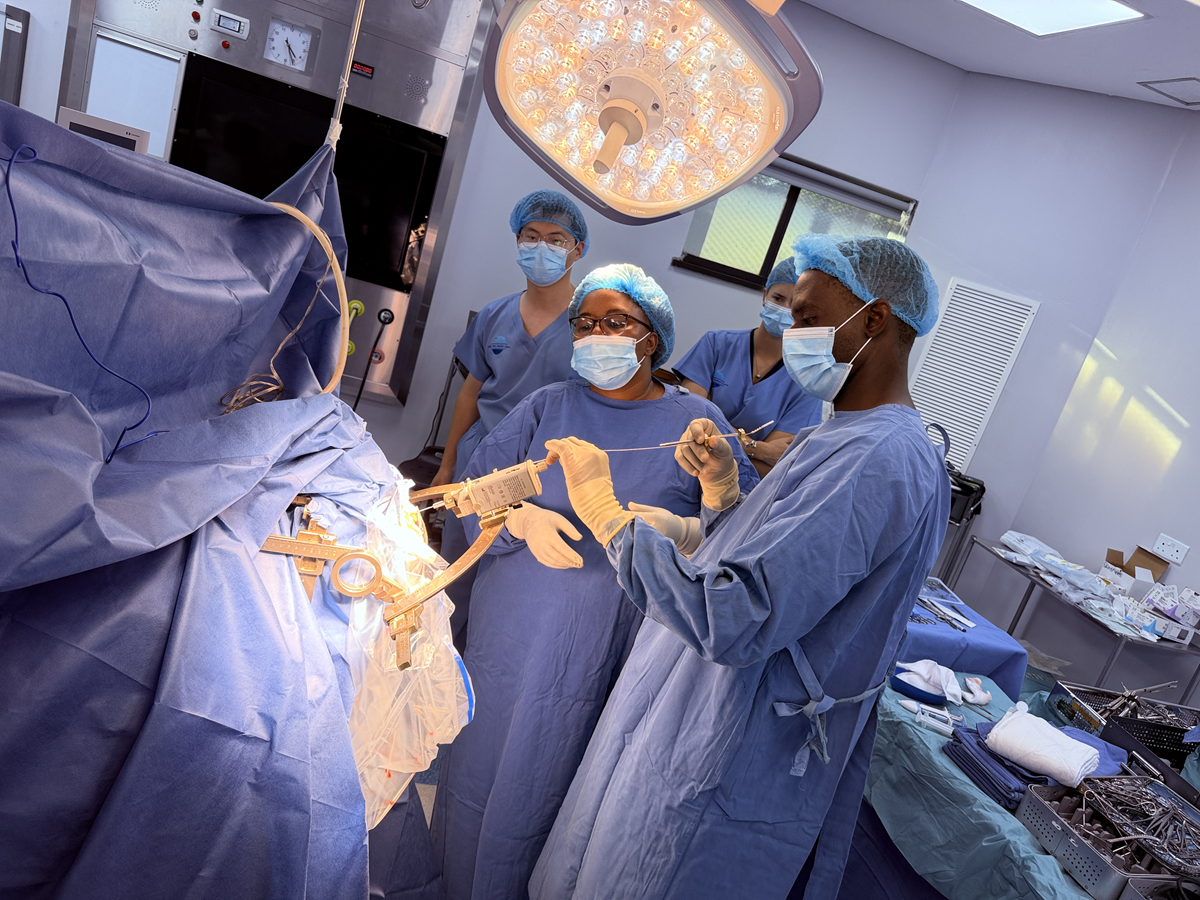
In a major step toward improving the quality of cardiac care and reducing turnaround times for open heart surgeries in Zimbabwe, Parirenyatwa Group of Hospitals has commissioned a new heart bypass machine, also known as a heart lung machine.
The brand new Stöckert S5 heart lung machine was procured by the Government of Zimbabwe and delivered to Parirenyatwa Group of Hospitals toward the end of 2025. It replaces an ageing machine that had been in use for more than 20 years and had become increasingly unreliable due to recurrent breakdowns.
Speaking in an interview with HealthTimes, Dr Simukai Machawira, a specialist cardiovascular and thoracic surgeon at Parirenyatwa Group of Hospitals, said the commissioning of the new machine marks a significant milestone for cardiac surgery services at the hospital.
“The machine will help us perform procedures better for our patients. Today, we are commissioning it by operating on our first patient using this new machine,” he said.
Dr Machawira added that the previous bypass machine was not only over two decades old but had also been discontinued by the manufacturer, making maintenance and sourcing of spare parts increasingly difficult.
“The old machine is over 20 years old and it is out of production, whereas this is a new state of the art machine. It has six pumps, functions more efficiently, and is less traumatic to the blood and blood products given to patients,” he said.
With a lifespan of at least 10 to 15 years, the machine is capable of supporting thousands of surgeries and, with refurbishment, can last even longer.
“What this means for open heart surgery is that we can now operate continuously. Previously, we operated in stops and starts, sometimes due to machine failure. Now we have a brand new machine straight from the box, and we expect it to provide at least five to ten years of uninterrupted service to our population,” Dr Machawira said.
Since the resumption of open heart surgeries in 2023, the hospital has conducted approximately 92 surgeries on 92 patients. With the new machine capable of supporting operations on one to two patients per day, the facility is targeting 92 surgeries in 2026 alone.
“We are also planning to hold a surgical camp in the near future where we will operate on about 10 patients in a week. Of the 92 surgeries we have already performed, only 20 were done during a camp. The rest were conducted locally, and we will continue operating independently,” he said.
Visiting surgical teams are typically involved in complex paediatric open heart procedures that require highly specialised expertise.
Meanwhile, Parirenyatwa’s open heart surgery waiting list is estimated at around 1,000 patients from across the country.
“In the strictest sense, among newborns, about 4,500 babies are born each year who require open heart surgery,” said Dr Machawira.
With the addition of the new machine and the training of perfusionists in Dar es Salaam, the hospital aims to improve efficiency and increase the number of patients treated. Two doctors have been sent to Muhimbili University in Dar es Salaam for training as perfusionists.
About the Stöckert S5 Heart Lung Machine
The Stöckert S5 heart lung machine is a cardiopulmonary bypass device used during open heart surgery to temporarily take over the functions of the heart and lungs. It ensures continuous blood flow and oxygenation while the heart is stopped or operated on. The system offers real time monitoring of blood pressure, temperature, and oxygen levels, as well as blood gas analysis for precise control of a patient’s blood chemistry.
Originally developed by the German medical equipment company Stöckert, now a subsidiary of LivaNova, the Stöckert S5 is widely used worldwide and is considered a standard device in modern cardiac surgery.
Open Heart Surgery Guidelines
The World Health Organisation classifies open heart surgery as a highly complex intervention used to treat severe cardiovascular diseases, which remain the leading cause of death globally.
Open heart surgery involves opening the breastbone to access the heart, often using a heart lung bypass machine to maintain circulation during the procedure. It is commonly performed for coronary artery bypass grafting, heart valve repair, and heart transplants. Procedures typically last three to six hours, followed by one to two days in intensive care, with full recovery taking up to three months.
FAQs About Open Heart Surgery
Open heart surgery addresses serious cardiac conditions such as blocked arteries or faulty valves through a major surgical procedure involving a chest incision. According to Healthline, common questions focus on preparation, procedure, risks, and recovery, drawing on established medical practices and WHO safety guidelines.
Procedure Basics
What is it?
Surgeons open the chest through a sternum incision to repair or bypass heart structures. This may be done using a heart lung machine, known as on pump surgery, or without it, known as off pump surgery, according to Medical News Today.
How long does it take?
The Cleveland Clinic estimates that open heart surgery typically lasts three to six hours for coronary artery bypass grafting, with longer durations for valve replacements or transplants.
Preparation Steps
Patients undergo tests such as ECGs, blood work, and imaging. Fasting and medication adjustments are standard, and smokers are advised to stop smoking weeks before surgery to reduce risks. Anaesthesia options are discussed in advance. WHO safe surgery checklists confirm patient identity, surgical site, and equipment readiness before incision.
Preparation FAQ
| Preparations FAQ | Details |
|---|---|
| Can I eat before? | No. Patients should fast for 8 to 12 hours. Clear liquids may be allowed. Source: Stanford Health |
| What about medications? | Blood thinners are usually stopped as advised, while other medications may continue per doctor’s orders. Source: Mayo Clinic |
| Family involvement? | Family members wait nearby and receive updates from the surgical team. Source: Stanford Health Care |
Risks and Complications
Major risks include bleeding, infection, stroke, or irregular heartbeat, with complication rates of 5 to 10 percent. Mortality rates range from 1 to 3 percent in experienced centres but may be higher in patients with additional medical conditions. WHO protocols such as antibiotic prophylaxis are recommended to reduce infection risk, according to Medical News Today.
Recovery Time
-
- Hospital stay: Four to seven days, including one to two days in ICU with monitoring and breathing support. Source: Medical News Today
-
- Home recovery: Six to twelve weeks. Patients should avoid lifting heavy objects, delay driving for four to six weeks, and expect a return to work within two to three months. Source: ProMedica
-
- Ongoing care: Cardiac rehabilitation, wound monitoring, and medications such as anticoagulants are required. Sternum wires remain permanently