Kuda Pembere
The Government of Zimbabwe has commissioned a Nucleic Acid Testing (NAT) machine at the National Blood Service Zimbabwe (NBSZ), a development expected to significantly reduce turnaround times and enhance the safety of blood transfusions.
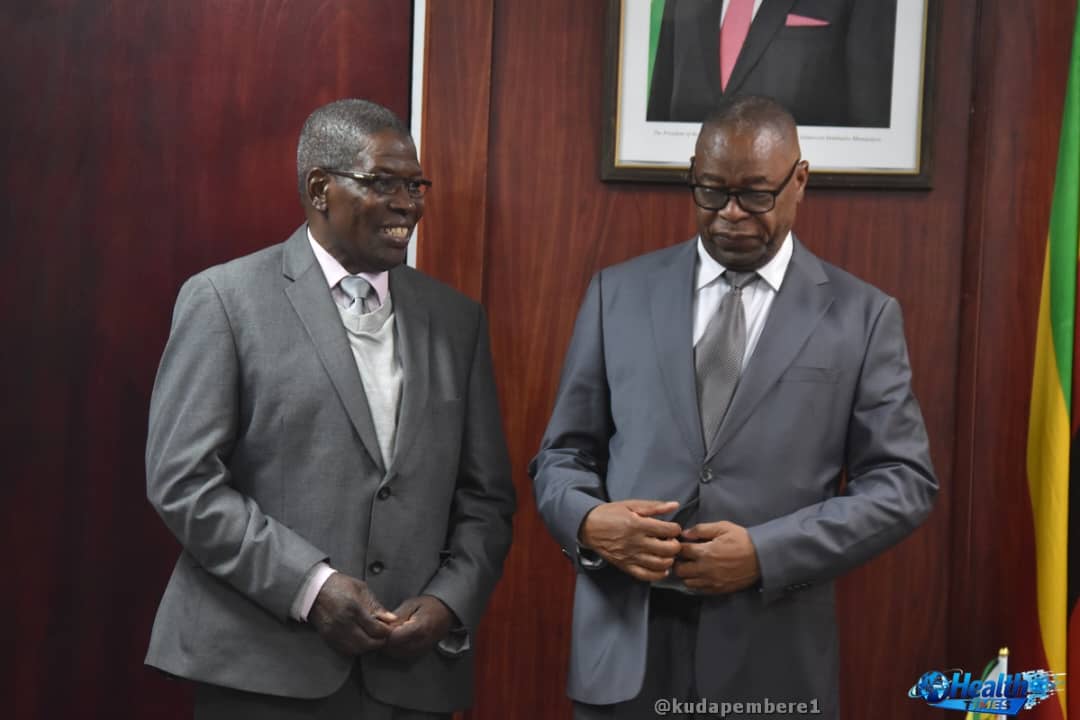
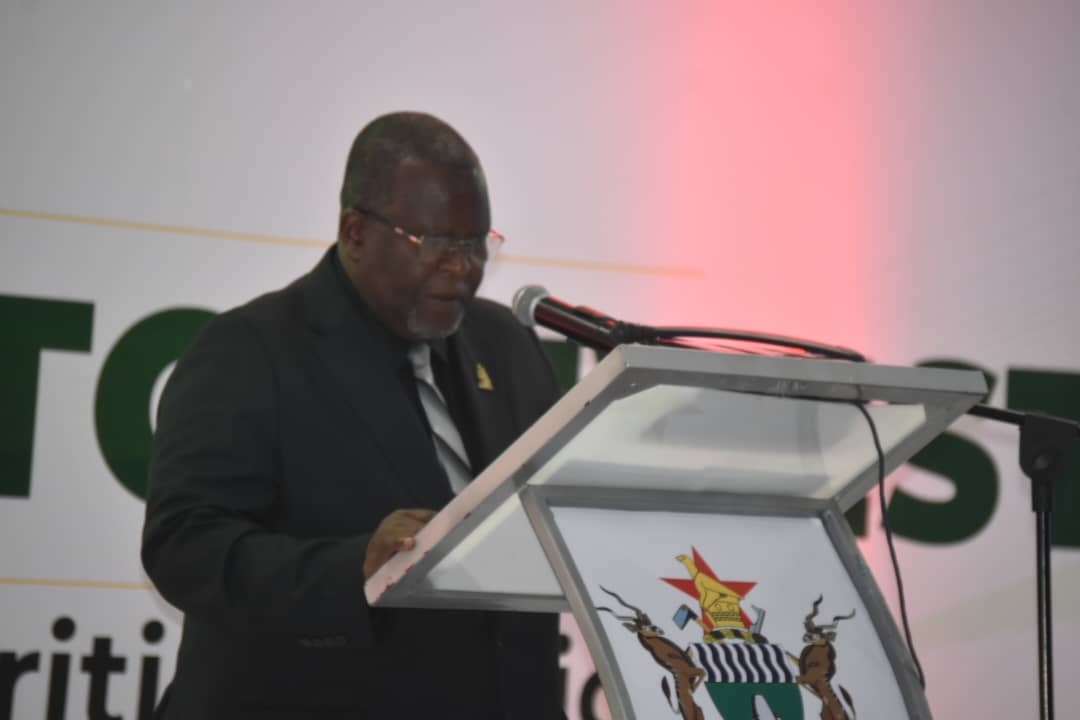
Speaking at the commissioning ceremony, Health and Child Care Minister Dr Douglass Mombeshora described the installation as not only a technical milestone but also a demonstration of the Government’s commitment to safeguarding citizens.
“Together, these landmark events demonstrate Zimbabwe’s readiness to harness scientific innovation in strengthening both HIV prevention and the overall safety and resilience of our health system,” Minister Mombeshora said.
He emphasised that blood remains a lifesaving commodity that can only be obtained through voluntary donation and urged Zimbabweans to donate regularly.
“Blood is a unique and irreplaceable medicine. It cannot be manufactured. It must be freely and voluntarily donated. Because of its immense value, it must be safeguarded through the highest standards of science, quality, and care,” he said.
Dr Mombeshora added that the introduction of nucleic acid testing marks a decisive step in ensuring that every unit of blood transfused in health facilities meets the highest safety standards.
“Today, with the introduction of nucleic acid testing, Zimbabwe takes a decisive step forward in ensuring that every unit of blood transfused in our health facilities meets the highest standards of safety that modern technology can provide,” he said.
The new testing system improves diagnostic windows for several infections, including HIV, Hepatitis B, and Hepatitis C.
“Nucleic acid testing builds upon our strong foundation by detecting viral genetic material much earlier, dramatically reducing the diagnostic window and minimising the risk of infection transmission. With this technology, HIV infections occurring within 48 to 72 hours can now be identified, long before conventional methods would detect them. Hepatitis B and C can also be detected within days of exposure, and the enhanced sensitivity ensures even the smallest traces of viral material are reliably identified,” he said.
Minister Mombeshora emphasised that the technology enhances existing systems rather than replacing them.
“This is not a replacement of existing systems, but a strategic enhancement. Zimbabwe now embraces a layered approach to blood safety, integrating robust donor selection, advanced fourth-generation serology, nucleic acid testing, and stringent quality management. Through this comprehensive system, our country aligns with international best practices, ensuring every unit of blood meets the highest global standards of safety,” he said.
“Safe blood is the backbone of any health system, sustaining maternal and newborn care, trauma and emergency services, paediatric care, surgery, oncology, and renal treatment. Blood safety is non-negotiable, and the introduction of nucleic acid testing is a game-changer.”
National AIDS Council (NAC) Chief Executive Dr Bernard Madzima said the council readily agreed to support the procurement of the NAT machine when approached by NBSZ.
“It was a straightforward decision for us. Both management and the board saw the importance. When NBS approached us requesting support to acquire nucleic acid testing equipment, we knew this was what we needed as a country. We entered into this collaboration and will continue to support them until they are self-sustaining,” he said.
Meanwhile, the Postal and Telecommunications Regulatory Authority of Zimbabwe (POTRAZ) Director General Dr Gift Machengete handed over 10,000 blood bags worth US$15,000 to support the national blood programme.
“We speak of fibre optic networks across provinces, network towers rising above our landscapes, and digital networks carrying voice, data, and opportunity. Yet there is another network, older than the technology we regulate, more fundamental than any infrastructure, and infinitely more precious. It is the network of blood that flows through the veins of our people, sustaining life every second. While gaps in telecommunications may inconvenience us, a shortage of blood can mean the difference between life and death. Ensuring the nation’s blood banks are adequately stocked is a responsibility of profound national importance,” he said.