Michael Gwarisa
The Health Professions Authority (HPA) Zimbabwe has issued a strong public warning regarding the proliferation of illegal facilities offering specialised medical and cosmetic procedures.
According to the HPA, some of these procedures include invasive cosmetic treatments and other medical acts that should only be performed by qualified healthcare professionals.
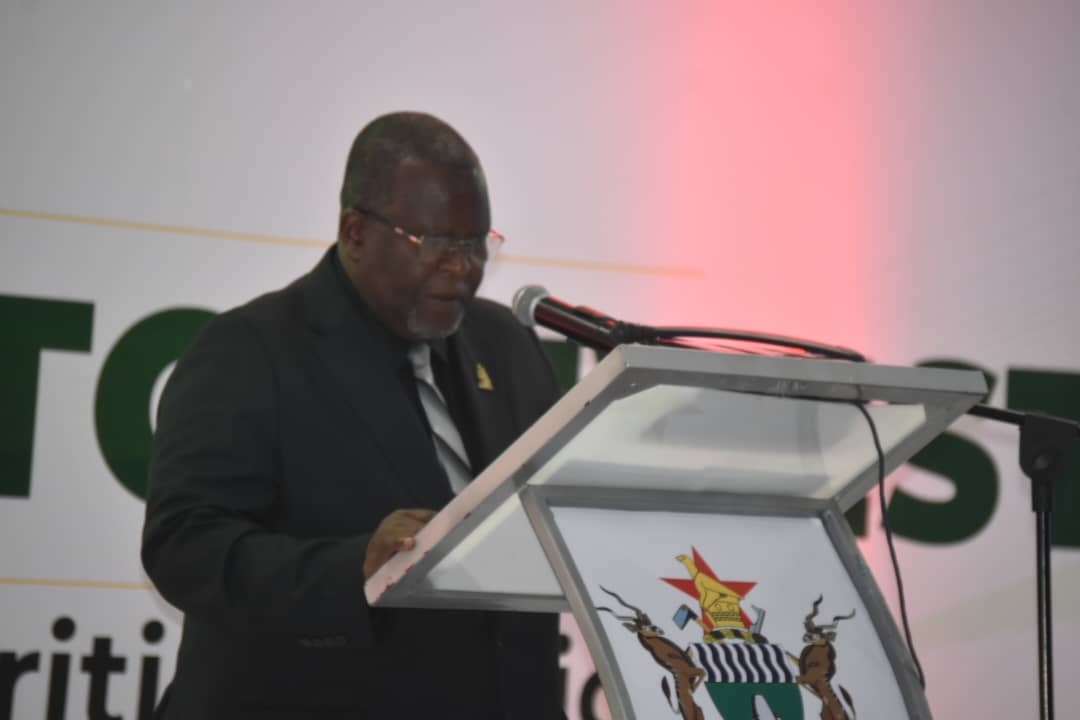
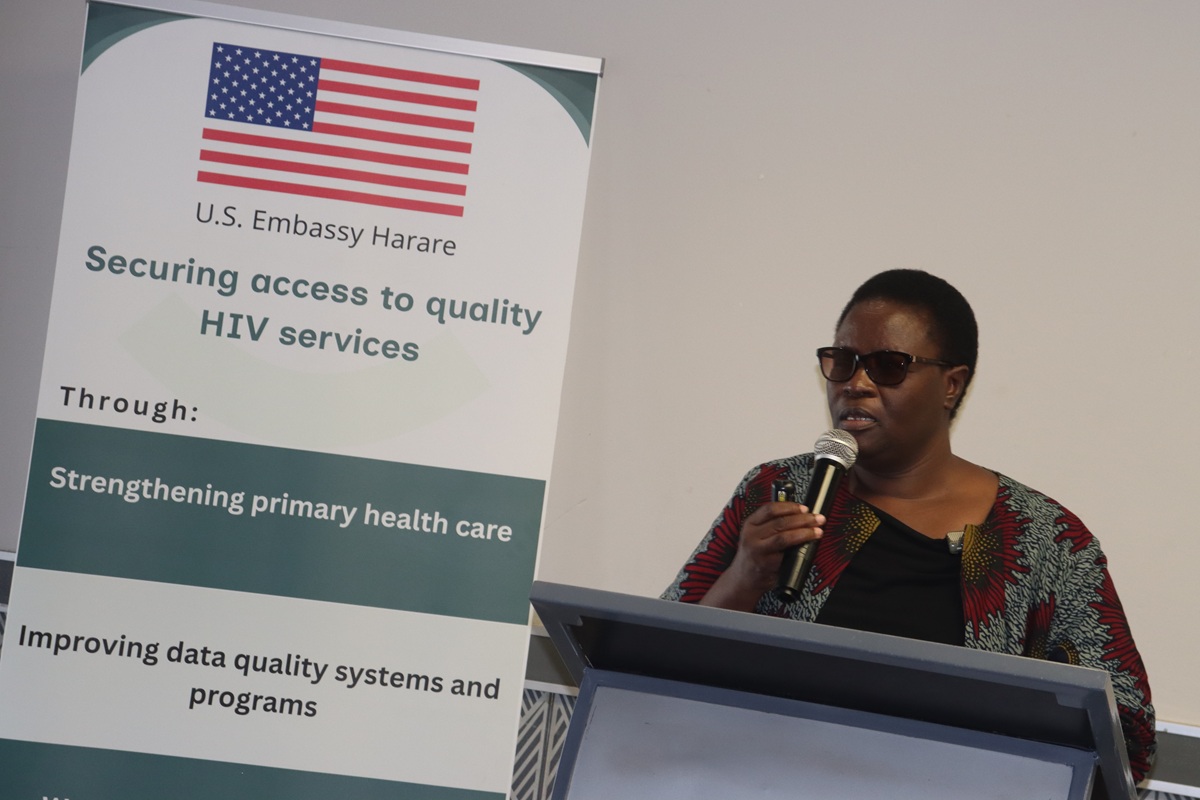
In a statement, HPA Secretary General Mrs Clotilda Chimbwanda said the law will take firm action against offenders.
“It has come to our attention that several beauty salons, wellness spas, and unregistered boutiques are offering services such as teeth whitening, intravenous vitamin infusions, chemical skin peels, and other invasive cosmetic treatments without the mandatory medical licenses or qualified personnel,” said Mrs Chimbwanda.
Invasive cosmetic procedures include Brazilian Butt Lift (BBL), Liposuction, Tummy tuck (Abdominoplasty), Breast augmentation, Breast reduction, Breast lift (Mastopexy), Rhinoplasty, Facelift (Rhytidectomy), Chin implants, Cheek implants, Botox injections, Dermal fillers, Deep chemical peels, Microneedling with PRP, Intravenous vitamin infusions, and Injection-based fat reduction (lipolysis).
“The HPA is governed by the Health Professions Act [Chapter 27:19], which serves as the primary legislation to safeguard the Zimbabwean public. We wish to highlight specific sections of the Act that prohibit these unauthorised activities,” added Mrs Chimbwanda.
Section 121 explicitly states that no person shall practice as a health practitioner or perform any act specifically pertaining to a health profession unless they are registered under the Act. Performing medical acts such as injections or chemical treatments in an environment other than a registered health facility is a direct violation of this law. Furthermore, Section 99 mandates that no person shall operate or carry on a health institution unless it is registered with the HPA. Any unregistered facility offering medical-grade cosmetic procedures is therefore illegal. Section 126 makes it a criminal offense for any individual to represent themselves as a registered professional or to perform duties reserved for licensed practitioners.
“When medical procedures are carried out in unregulated spaces, the risks to the patient are severe. Non-clinical environments often lack the infection prevention and control standards required for procedures involving needles or broken skin, posing a high risk of blood-borne diseases. Furthermore, unlicensed facilities are not equipped to manage medical emergencies such as anaphylactic shock or severe allergic reactions,” Mrs Chimbwanda explained.
She added that the HPA serves as a shield between the public and substandard care. By enforcing the Health Professions Act, the Authority ensures that facilities meet minimum standards for hygiene, equipment, and safety. This oversight ensures that only qualified and accountable professionals are authorised to perform medical acts and provides the public with a legal remedy if they receive harmful treatment. Adherence to these regulatory frameworks is essential for patient safety, professional protection, and the overall quality of health delivery in Zimbabwe.
The HPA strongly advises all citizens to remain vigilant and act as the eyes and ears for the Authority. Before undergoing any procedure, individuals must check for the HPA Registration Certificate, which should be prominently displayed in the reception area. You should also verify the practitioner’s license by asking to see a current Practising Certificate from the relevant Council. If you encounter any suspicious activity or a facility that refuses to show its credentials, report it immediately to the Authority.