
Michael Gwarisa
Seventy-four-year-old Julian Buss has made history by becoming the first Zimbabwean to reach 300 lifetime blood donations, setting a national benchmark for voluntary blood donation and inspiring generations to come.
Buss achieved this remarkable milestone after nearly five decades of consistent giving, having made his first donation in 1977 at the age of 25. His journey came to an official end in 2022 when he turned 70, the age limit for blood donation in Zimbabwe.
“I was 25 years old when I started donating as a regular donor, and that stopped when I turned 70,” said Buss. “There is a regulation that says after 70 you cannot donate anymore, so that was in July 2022 when I stopped.”
What began as a simple group activity among colleagues soon turned into a lifelong commitment. Buss recalls that his first donation was not driven by any grand plan, but rather by peer influence and curiosity.
“We started as a group from work, about five or six of us. One of the guys had been donating for years, and we just joined in,” he said.
Over time, what started casually became a disciplined routine. Buss explained that consistency and commitment were key, particularly when donating platelets, which required more frequent visits.
“We just kept coming back. It became a regular thing. When you are doing platelets, you can be here every month, sitting in the chair for an hour and a half. You have to make that time available,” he said.
Despite reaching a historic milestone, Buss remains humble about his achievement, emphasizing that the real importance lies in the lives saved rather than the number itself.
“It is about trying to help and doing what you can. You do not know where the blood is going or who is receiving it, but you know you are making a difference,” he added.
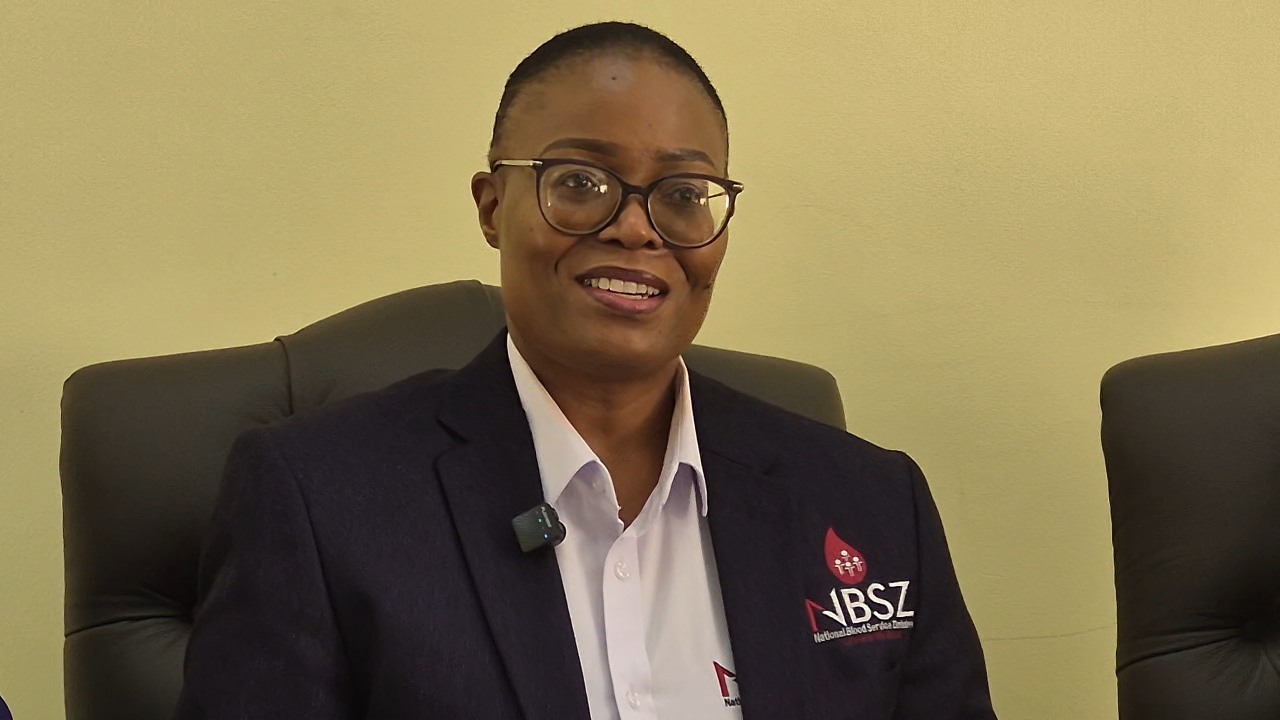
National Blood Services Zimbabwe (NBSZ) Chief Executive Officer Lucy Marowa described Buss’s achievement as both inspirational and significant for the country’s blood donation programme.
“This milestone gives our young blood donors something to aspire to,” said Marowa. “It also strengthens our efforts to build a sustainable national blood programme where shortages are minimal and where we maintain a safe and reliable blood supply.”
She noted that repeat donors like Buss play a critical role in ensuring the safety and stability of blood supplies.
“People who come in consistently demonstrate commitment to a healthy lifestyle, which helps ensure the safety of the blood supply. Donating 300 times takes dedication, and it shows that such a lifestyle is possible for anyone willing to commit,” she said.
Marowa added that Buss’s journey also reinforces confidence in the national blood system.
“For us as NBSZ, it gives confidence that we are contributing positively to the nation. A healthy nation preserves its wealth, and safe blood is an essential part of that,” she said.
In Zimbabwe, the majority of blood donations currently come from school children, making the recruitment of adult donors a critical priority. NBSZ is actively working on strategies to broaden its donor base and encourage more adults to donate regularly.
Marowa said Buss’s example should serve as a wake-up call to many.
“When you see someone achieve 300 donations, it makes you reflect on what you are giving back to your country. It challenges all of us to do more,” she said.
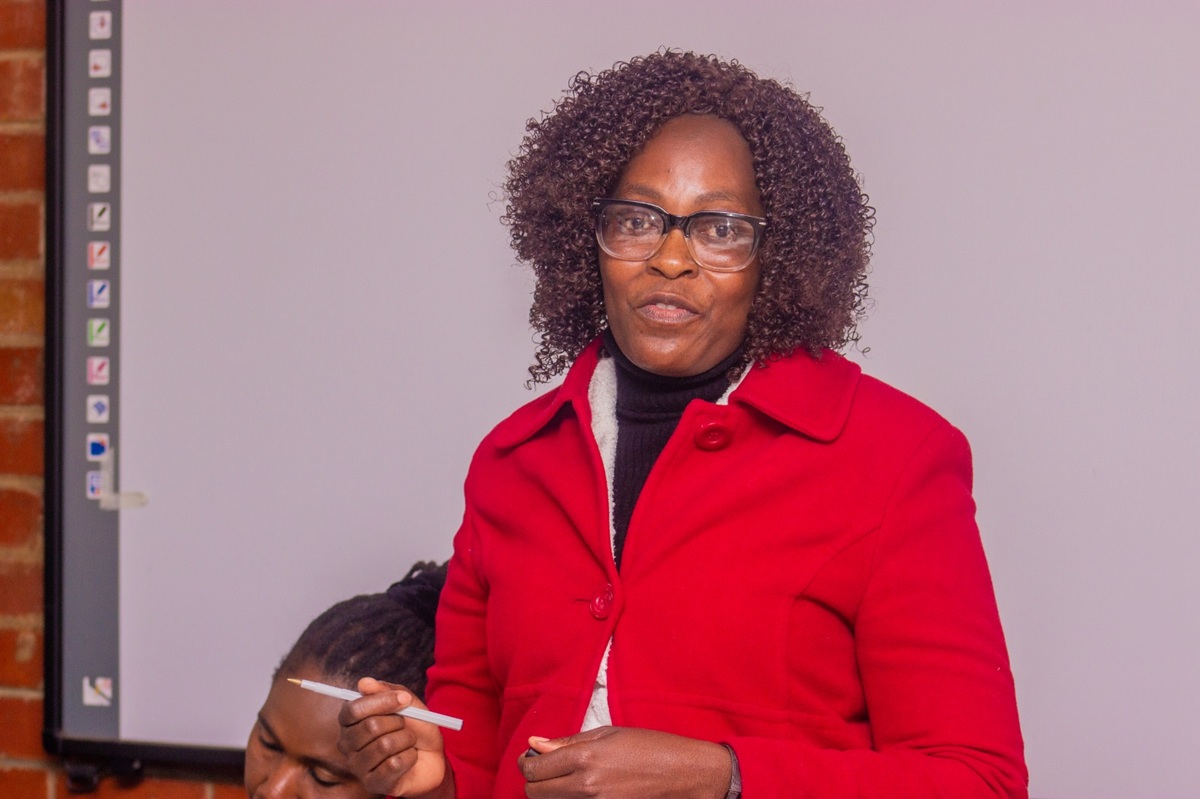
Liane Lombard, founder and CEO of Emergency Help Group, also praised Buss’s extraordinary dedication, describing it as a selfless act that is difficult to quantify in impact.
“I would love to know how many lives he has saved, but that is probably impossible to calculate,” she said. “What stands out is the selflessness and the consistency over nearly five decades. That level of dedication is truly inspiring.”
Buss’s legacy goes beyond numbers. His story highlights the power of individual commitment in strengthening national health systems and saving lives. It also underscores the urgent need for more Zimbabweans, particularly adults, to step forward and become regular donors.
As the country continues to face periodic blood shortages, Buss’s achievement serves as both a milestone and a call to action. His journey proves that small, consistent acts of giving can accumulate into a life-changing impact for thousands of patients in need.