Michael Gwarisa
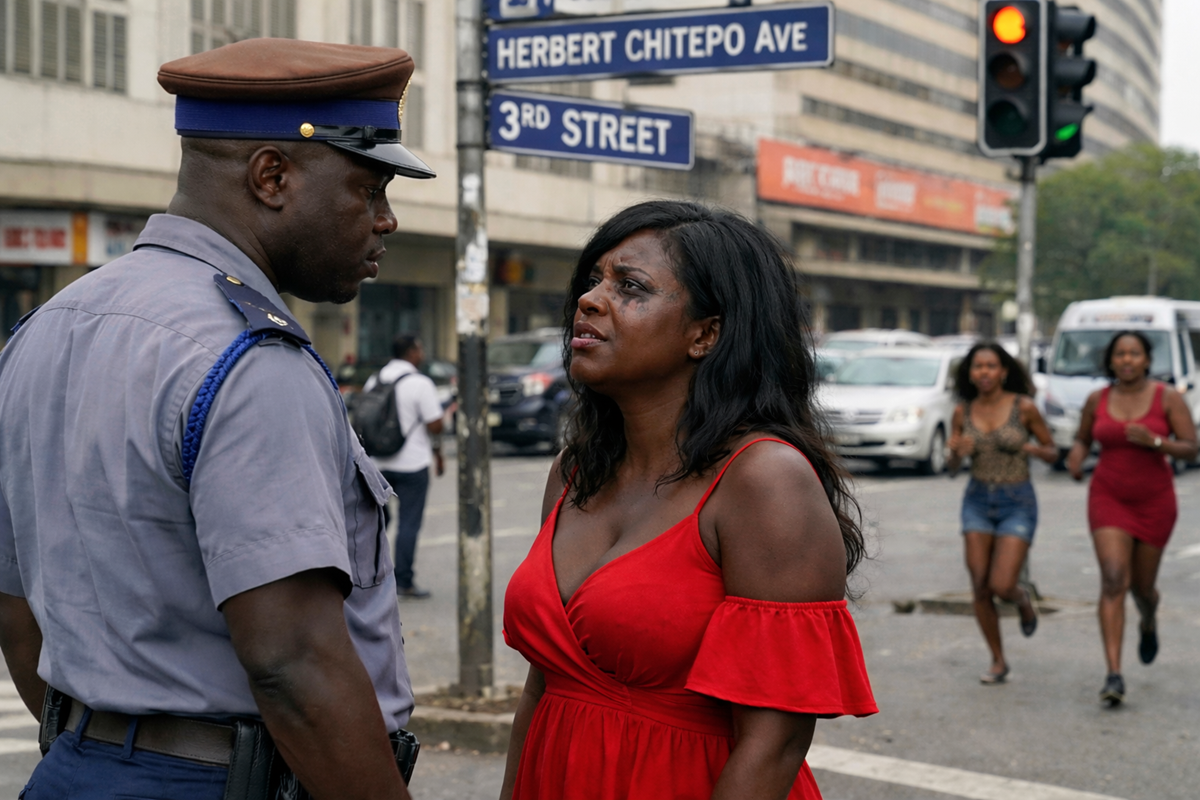
Sex workers in Zimbabwe are calling for an end to ongoing harassment and abuse by members of the Zimbabwe Republic Police, warning that current practices are undermining their safety and rights.
In 2025, a Constitutional Court ruling significantly limited how police can enforce laws on soliciting for sex. The court made it clear that arrests cannot be based only on a person’s location or clothing. Authorities must provide evidence of a specific client who was solicited for an arrest to be lawful.
Despite this, sex workers say little has changed on the ground.
Grace Tembo, a sex worker from Epworth, says there is a clear gap between the law and how it is being enforced.
“As sex workers, we are treated as though we have no voice and no rights, yet we are adults providing for our families,” she said.
“The constant harassment and fear of arrest do not make our work safer. They push us into the shadows where we become more vulnerable. We are asking for dignity and protection like any other worker in Zimbabwe.”
Advocacy group Springs of Life Zimbabwe says current policing methods, including arbitrary detentions and charges such as touting, violate fundamental rights and expose workers to greater danger.
The organisation is pushing for a legal framework that protects adult agency while maintaining strict safeguards against the exploitation of minors.
Mitchell Zengeya, Advocacy Officer for the organisation, said Zimbabwe must adopt a rights based approach and end the targeting of marginalised workers.
“Our position is rooted in the principle of adult agency. We work with adults who have the ability to make their own choices, yet they are met with harassment that does nothing to improve public safety,” he said. “The law should protect individuals, not punish their livelihoods.”
Springs of Life Zimbabwe also emphasised its commitment to ethical standards and community safety. The organisation strongly opposes child exploitation and supports efforts to protect minors. Its programmes focus on empowering adults through legal literacy and advocacy, while also calling for accountability among bar owners to ensure safe working environments.
It further urges the media to move away from sensational reporting and instead highlight the structural and human rights issues affecting communities such as Epworth.
“By focusing on harassment instead of protection, the system is failing the very people it is meant to safeguard,” Zengeya said. “We are calling for a shift that ensures every worker is treated with dignity and protected under the law.”
The organisation has invited policymakers, law enforcement and the media to engage in dialogue aimed at building a more inclusive and rights based society.