By Michael Gwarisa
The Government of Zimbabwe has launched a National Multi-Sectoral Framework for the Prevention and Management of Adolescent Pregnancies, describing the initiative as a decisive national response to one of the country’s most urgent public health and development challenges.
The framework seeks to coordinate action across government ministries, communities, development partners, traditional leaders, civil society and young people themselves in addressing the drivers of adolescent pregnancy, including poverty, child marriage, gender inequality, violence, harmful social norms and limited access to sexual and reproductive health services.
The launch comes against the backdrop of worsening adolescent pregnancy indicators in Zimbabwe. Findings from the 2023 National Assessment on Adolescent Pregnancies revealed that prevalence increased from 9 percent in 2016 to 22 percent in 2023, representing a 144 percent rise. Between 2019 and 2023, more than 358,000 pregnancies were recorded among adolescents aged 10 to 19 years, while adolescents accounted for 21 percent of antenatal bookings in public health facilities. Young women under 24 years also contributed approximately 25 percent of maternal deaths.
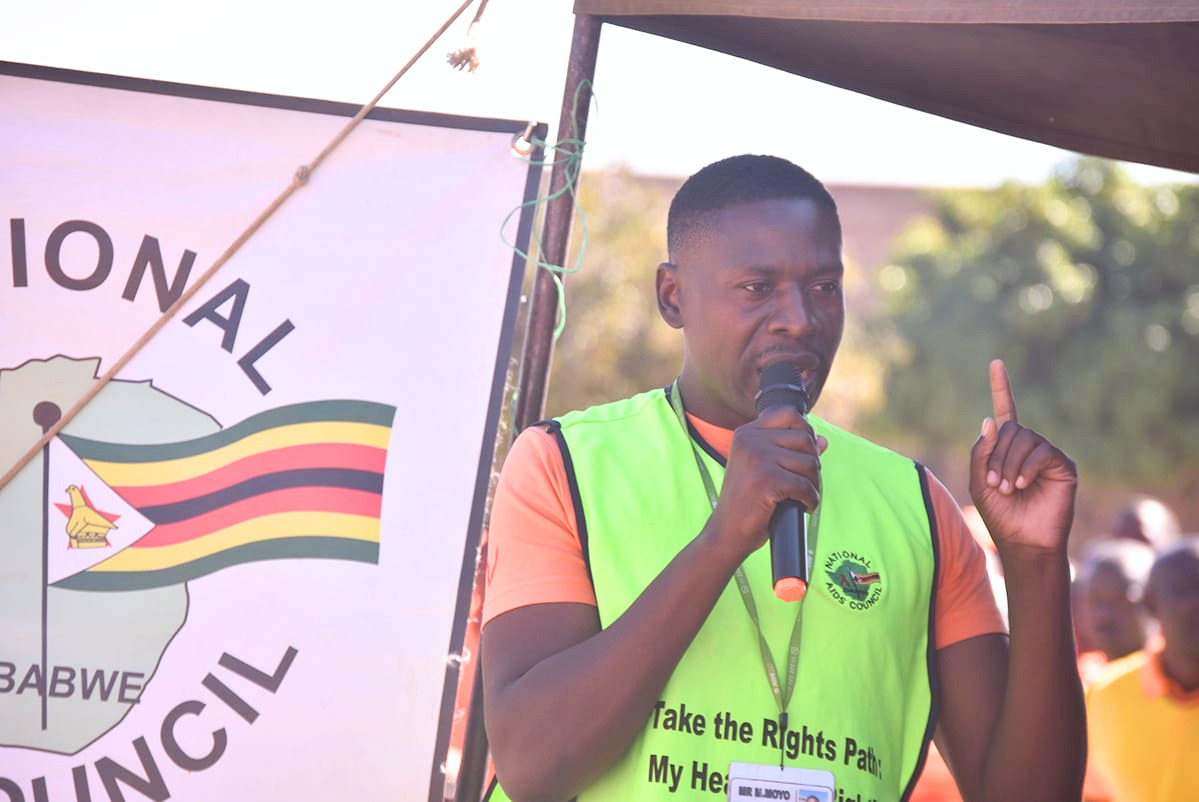
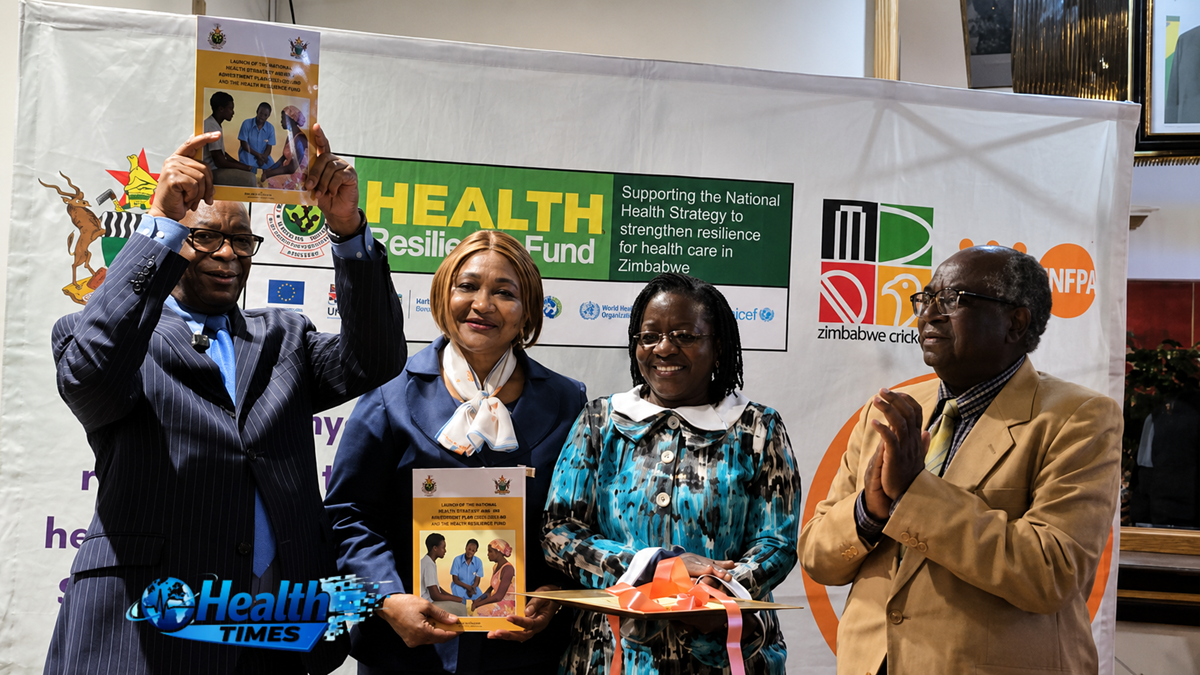
Officially launching the framework, Minister of Public Service, Labour and Social Welfare Edgar Moyo said the occasion represented more than the unveiling of another policy document.
“As we officially launch the multi-sectoral framework on the prevention and management of adolescent pregnancies in Zimbabwe, this event signifies not merely the launch of a framework but the beginning of a renewed national commitment to address one of the most pressing public health, social and development challenges confronting our nation,” said Moyo.
He said while Zimbabwe has made progress in strengthening child protection through legislative and policy reforms, adolescent pregnancy remains driven by complex and interconnected factors that require coordinated action.
According to Moyo, adolescent pregnancy is not simply an issue affecting individual girls but one that undermines broader national development goals.
“When adolescents are denied opportunities, when they leave school prematurely, when they become trapped in cycles of poverty and vulnerability, the consequences extend far beyond individual households,” he said.
“It has implications for educational attainment, labour productivity, health outcomes, social cohesion and intergenerational poverty.”
Government says the framework was developed in response to recommendations emerging from the national assessment and is designed to provide a comprehensive systems-based approach to prevention and management.
Permanent Secretary in the Ministry of Public Service, Labour and Social Welfare Pfungwa Kunaka said the assessment was coordinated through a multi-sectoral process involving ministries responsible for health, education and social welfare, with support from United Nations agencies and research institutions.
Kunaka said the assessment sought to determine the magnitude and trends of adolescent pregnancies, identify drivers and risk factors, examine consequences and establish gaps within existing response systems.
“The findings made it very clear that as a country we are facing a serious problem of adolescent pregnancies, and it is really a pressing public health and developmental challenge,” said Kunaka.
He identified key drivers including limited access to sexual and reproductive health services, sexual violence and exploitation, child marriages and inadequate sexual and reproductive health information.
Kunaka said the framework adopts a whole-of-government and whole-of-society approach built around ten integrated pillars that include child protection, economic empowerment, adolescent-responsive sexual and reproductive health services, life skills education, systems strengthening and governance.
“At the heart of the framework lies a robust theory of change which recognises that adolescent pregnancy is a symptom of failures across multiple systems and no single institution can solve the challenge in isolation,” he said.
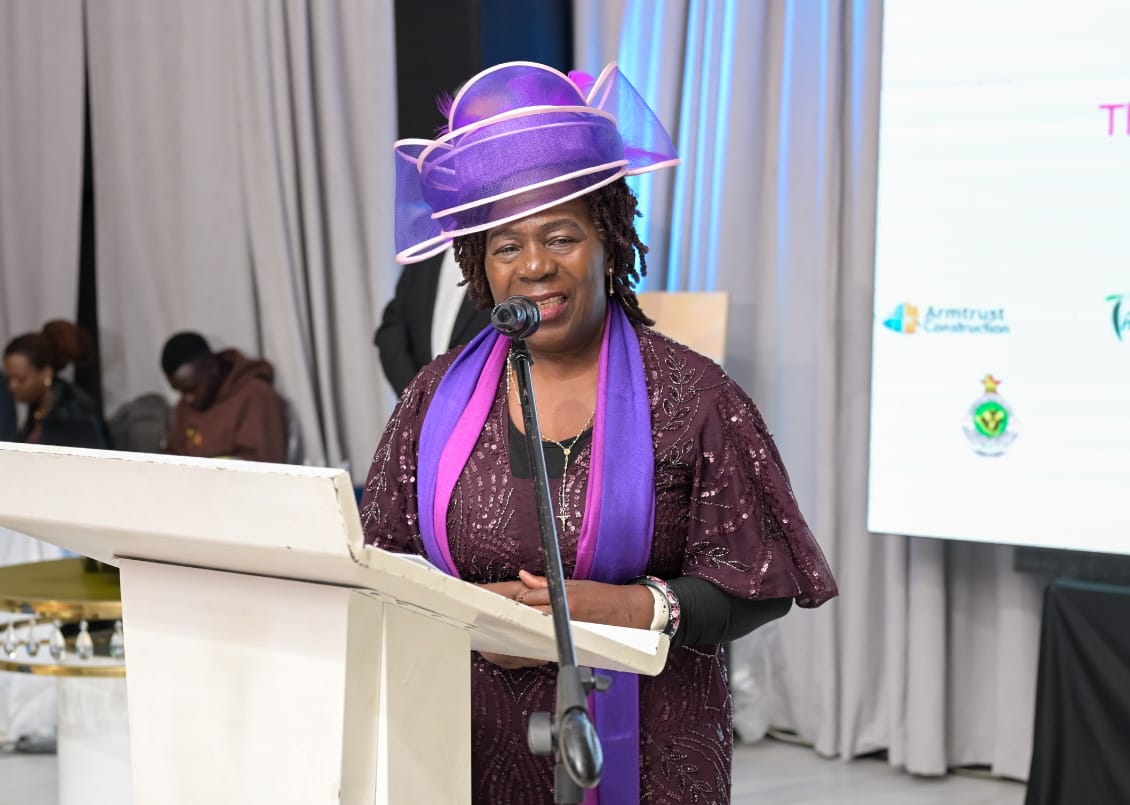
Representing the United Nations system, UNFPA Zimbabwe Country Representative Miranda Tabifor welcomed the framework and described adolescent pregnancy as a delicate issue requiring urgent and coordinated interventions.
She said the framework aligns with broader national efforts to strengthen youth development and follows the launch of the National Youth Empowerment Strategy and approval of the National Youth Policy.
“The launch today represents not just a policy framework, it is a strategic shift towards domestic and national ownership,” said Tabifor.
Referring to findings from the national assessment, Tabifor said the statistics reflected interrupted dreams and lost opportunities for thousands of girls.
“For all the United Nations, we see these as interrupted dreams. But we say even if it is interrupted, there is a way to come out of the crisis,” she said.
She added that integrating initiatives such as the Not in My Village campaign would strengthen accountability structures at community level and place greater responsibility on local leaders to protect adolescents.
Moyo said successful implementation of the framework would require sustained investment and accountability.
“Investments in adolescents should not be viewed as expenditure. They should be viewed as investments in human capital,” he said.
“Protecting adolescents is not merely a social obligation. It is a strategic investment in human capital and sustainable development.”