
THE 9th edition of the Merck Foundation Africa Asia Luminary, a yearly educational conference conducted to contribute to Africa and Asia’s socio-economic development, has commenced in Dubai amidst growing calls for governments in Africa to make infertility treatment affordable to the general citizenry.
By Michael Gwarisa
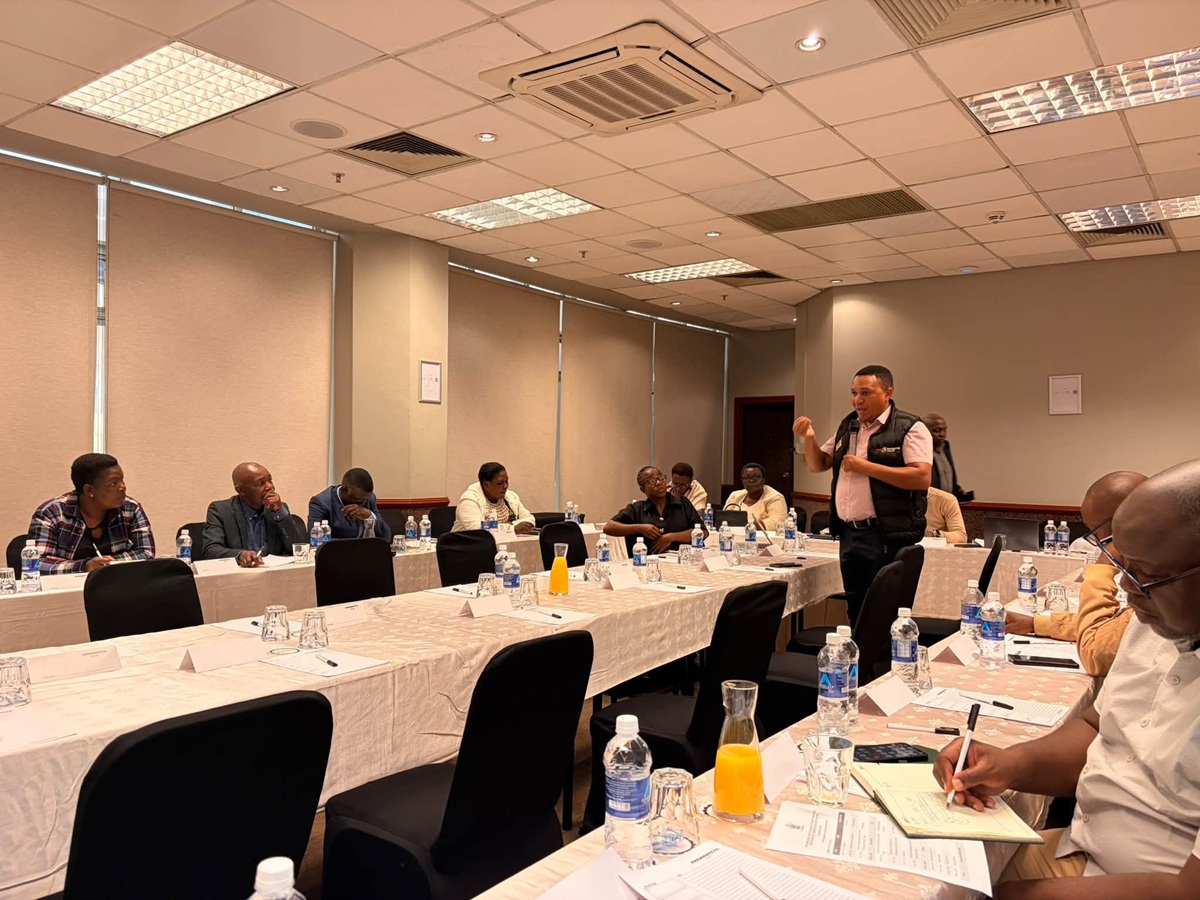
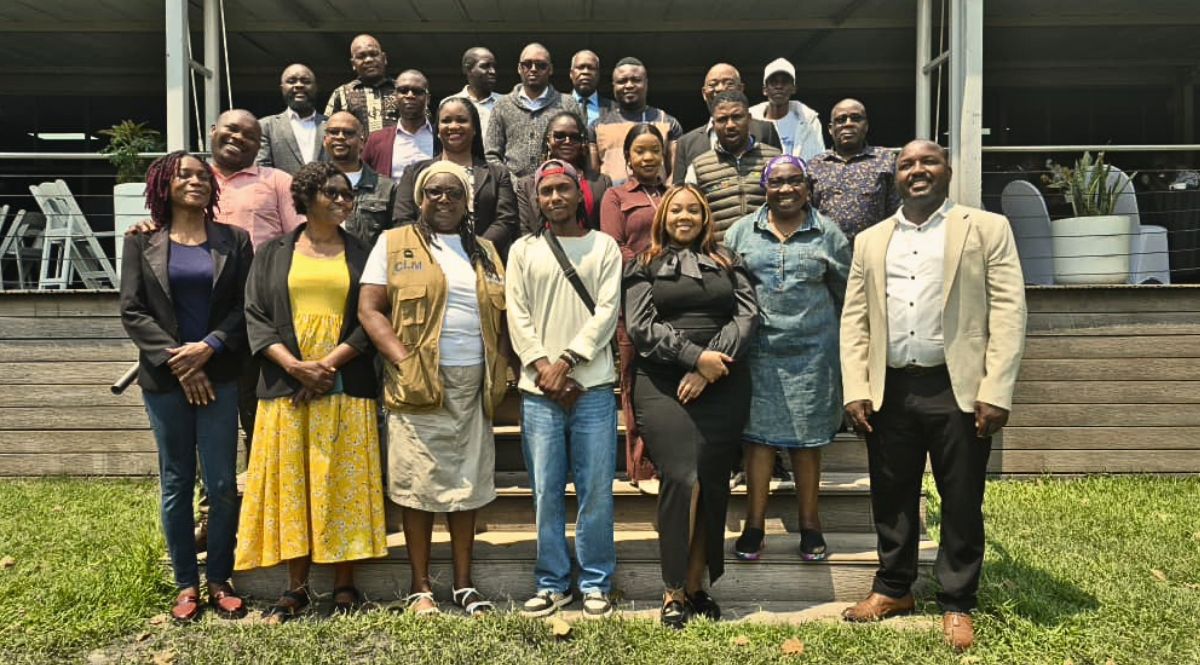
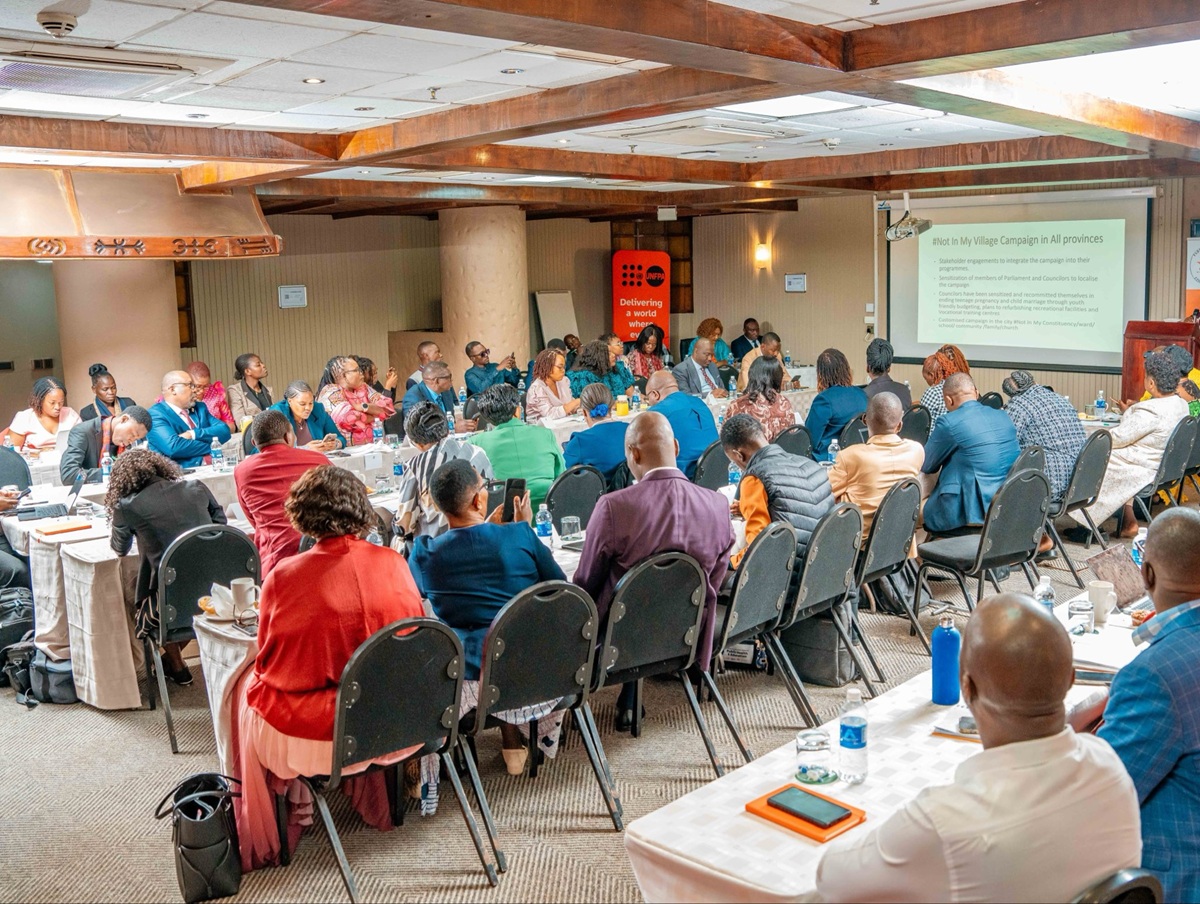
The two day conference, a hybrid meeting is being attended by over 6000 delegates physically and online and these include healthcare providers, Policy makers, academia, researchers and health media from more than 70 English, French and Portuguese speaking countries.
Giving her introductory remarks, Merck Foundation Chief Executive Officer (CEO) Senator, Dr Rasha Kelej celebrated the milestones the foundation has achieved since establishment. This year’s Luminary also coincided with the Merck Foundation’s Fifth Anniversary which was established in 2017, five years after establishment of the Merck organisation.
Since establishment, we have been doing a lot of work, a lot of development programs with a lot of success and huge improvement year after year. I am very proud to be here today and to showcase our impactful programs across Africa. We have up to now provided 1,470 scholarships to doctors in 50 countries which is a huge millstone,” said Dr Kelej.
The trained doctors according to Dr Kelej are already contributing to the transformation of patient care in their respective countries. The doctors were trained in sexual reproductive health, oncology, diabetes, respiratory care, pediatric emergency care amongst other specialties.
“These specialties are critical, though underserved in our countries. We are very proud that Merck Foundation has realized the right strategy to improve access to quality and equitable healthcare solutions in each country in Africa. We also provided training and services to some South East Asian countries and also Latin America.”
To date, eight editions of the Africa Asia Luminary meeting have been conducted with six having been conducted in Germany, Kenya, Cote d’Ivoire, Egypt, Senegal and Ghana. The 7th and 8th editions were conducted online due to travel restrictions brought about by the COVID-19.
Professor Frank Stangenberg-Haverkamp, the Chairman of both the Executive Board of E. Merck Foundation KG and Merck Foundation Board of Trustees applauded the sterling work being done by the Merck trained healthcare workers in their countries.
“I am very glad that we are all here to celebrate together this very important occasion. The 5th anniversary of Merck Foundation and to mark 10 years of building healthcare capacity into developing programs since 2012 particularly in Africa. Up to now it is an amazing story, a journey of success stories and significant impact of transforming lives of many people,” said Prof Stangenberg.
Meanwhile, first ladies from at least 14 African countries also took turns to present on various strides they have made in their respective countries at the back of support from Merck Foundation. Vibrant First Lady of Namibia, Her Excellency, Mrs Monica Geingos said while significant progress has been made through the foundation’s support, there is need to make infertility treatment accessible in public healthcare in Africa.
“There is need for integration of infertility treatment in public health systems because that is the one thing we are all struggling with as policy and academics in the room. The cost of providing the treatment is often what we see but what we don’t see is the hidden cost, the cost it takes for society that doesn’t want to deal with the issue.
“Often, what we are not talking about enough is the burden that also couples and individuals who suffer from infertility go through in order to get treatment or trying to source money to pay private healthcare providers which often is not entirely successful,” said Mrs Geingos.
She added that first ladies were better positioned to amplify the infertility message and break the stigma that is associated with the condition to increase uptake of infertility related services in Africa.