By Michael Gwarisa in Lusaka, Zambia
The third edition of the annual International Conference on Public Health in Africa (CPHIA2023, has kicked off in Lusaka, Zambia, amidst growing calls for African nations to combine efforts to address emerging health threats linked to Climate Change.
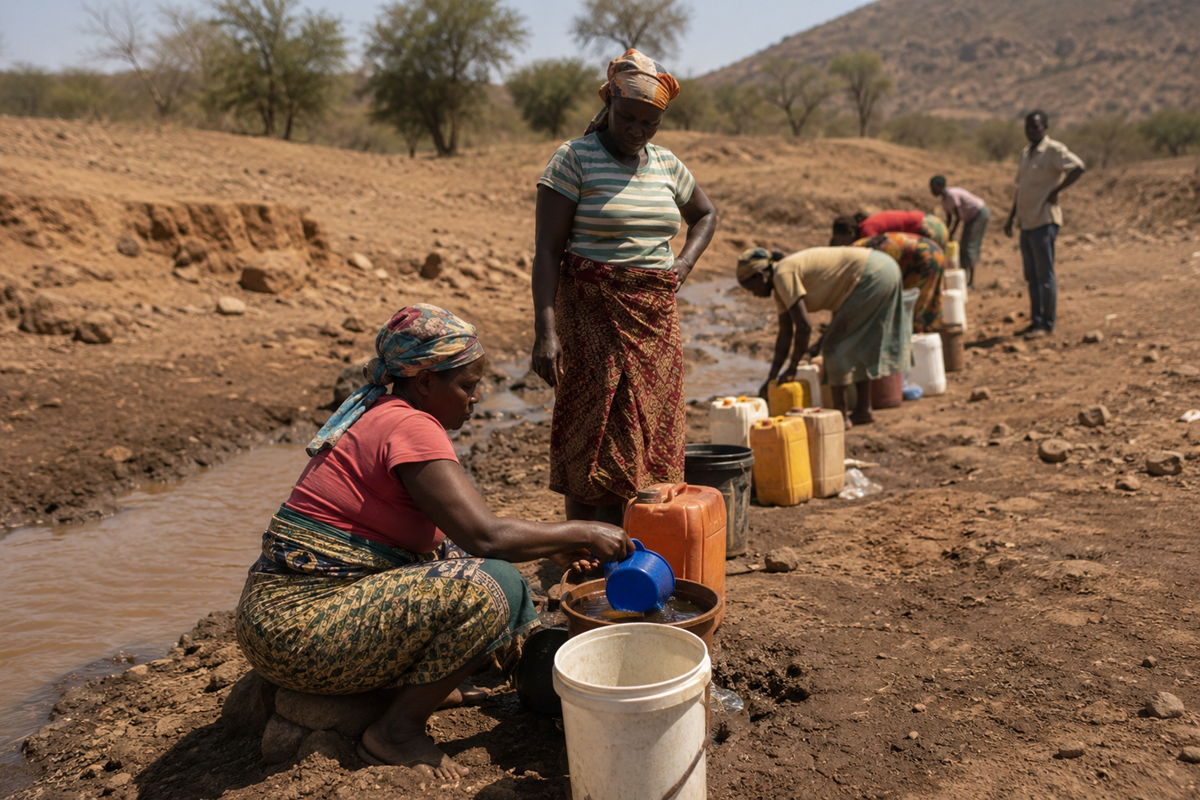
The conference is running from November 27 to December 1, 2023 under the theme, “Breaking Barriers: Repositioning Africa in the Global Health Architecture.” The call to prioritise Climate Change comes at a time the continent is reeling from Climate Change induced health challenges such as rapid onsets (Cyclones, Earthquakes etc) or slow-onset (such as drought), leading to a range of health effects, which are mostly negative, and include injury and trauma, malnutrition, infectious diseases, heat-related conditions, non-communicable diseases, and poor mental health flooding.
Addressing Journalists during an opening Press Briefing, Dr Jean Kaseya, Director General, Africa Centres for Diseases Control and Prevention (Africa CDC) said Africa needs to prepare and collaborate in the face of new health threats posed by Climate Change.
There is a study from the African Development Bank (AFDB), that shows that every year, we are losing between 5 percent to 15 percent of our Gross Domestic Product (GDP) due to Climate Change? Do you know that we have 18 countries today affected by Cholera as the effect of Climate Change to the health sector, with 4000 deaths?” said Dr Kaseya.
Since January 1, 2022, a cumulative total of 241 606 cholera cases has been reported to the WHO Regional Office for Africa (AFRO), including 4 374 deaths with a case fatality ratio (CFR) of 1.8 percent as of 24 September 2023. On 10 September 2023, Storm Daniel made landfall in Libya, bringing severe weather conditions, including strong winds and sudden heavy rainfall that led to the death of more than 4,300 people, while more than 8,500 are still missing.
“This is why as Africa CDC, we are implementing the One-Health approach to address the issue of Climate Change, animal health and human health. We are glad that the Ministry of Health in Dubai took the lead to implement the One-Health approach.
To raise awareness on the impact Climate Change on Healthcare, Ministers of health from Africa and the world have been invited to attend the 2023 United Nations Climate Change Conference or Conference of the Parties of the UNFCCC, more commonly referred to as COP28, from 30 November until 12 December 2023.
Zambia’s Minister of Health, Honorable Sylvia Masego said African Minsters were going to speak with one voice at the COP28 and ensure the world pays attention to effects of Climate change towards Africa’s healthcare.
“Net week, there is an international conference in Dubai. The COP28. For the first time, the connection between the environment to health has been articulated and for the first time, and as ministers of health, we have been invited to go and do justice to this issue just to emphasize the connection between climate change and health,” said Hon Masego.
According to the Intergovernmental Panel on Climate Change, tens of millions of Africans are already feeling the negative health impacts of climate change, in the form of heat stress, extreme weather and increased transmission of infectious disease. However, research on the continent faces severe challenges due to a lack of funding and access to data.
Professor Margaret Gypong a researcher from Ghana said, “Climate Change is the natural disasters or things that we cannot normally do anything about but as Africa, we are making sure that we put our hand to the plough to ensure that things that need to be done are done right,” said Prof Gyapong.
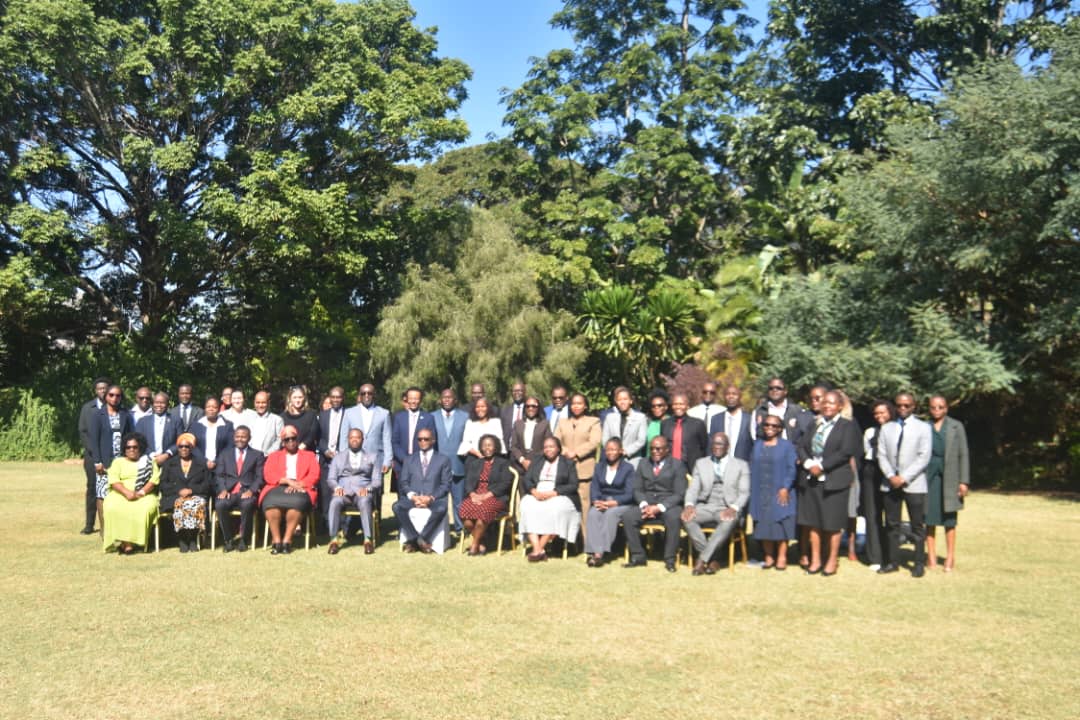
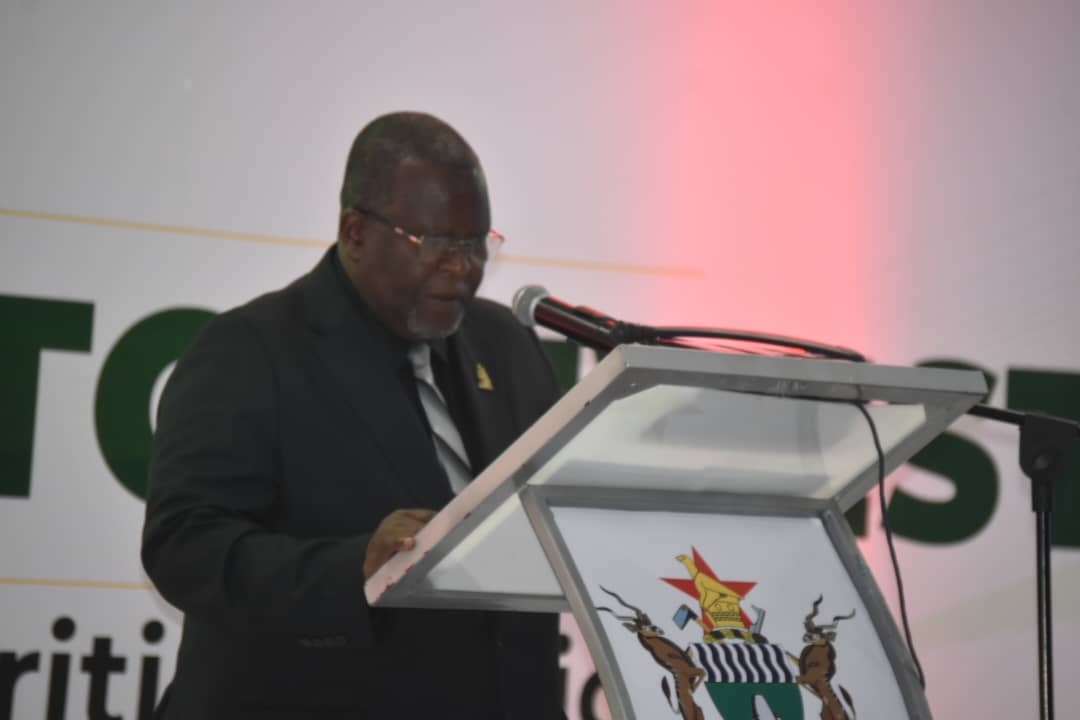
Meanwhile, the CPHIA 2023 International Conference is being hosted by the African Union and Africa CDC, in Partnership with the Zambian Ministry of Health and Zambian Health Institute. The conference features nine main plenary tracks, a number of parallel and abstract-driven sessions, side events, an emerging exhibition among others.