By Michael Gwarisa
Zimbabwe is recording a sharp rise in technology driven gender based violence as new digital tools, including artificial intelligence-generated deepfakes and anonymous social media accounts, make it increasingly difficult to trace perpetrators.
The Zimbabwe Republic Police (ZRP) Cybersecurity and Forensics Laboratory has warned that technology-facilitated GBV is now one of the fastest-growing forms of abuse targeting women and girls across the country.
Global evidence shows that two in three women have experienced technology-facilitated violence and 85 percent of women online have witnessed another woman being abused. In Zimbabwe, the situation is equally alarming. Recent surveys indicate that 63 percent of women journalists have faced technology-facilitated GBV, 75 percent of women and girls online experienced digital abuse in 2024 and 87 percent of women political leaders were subjected to digital harassment.
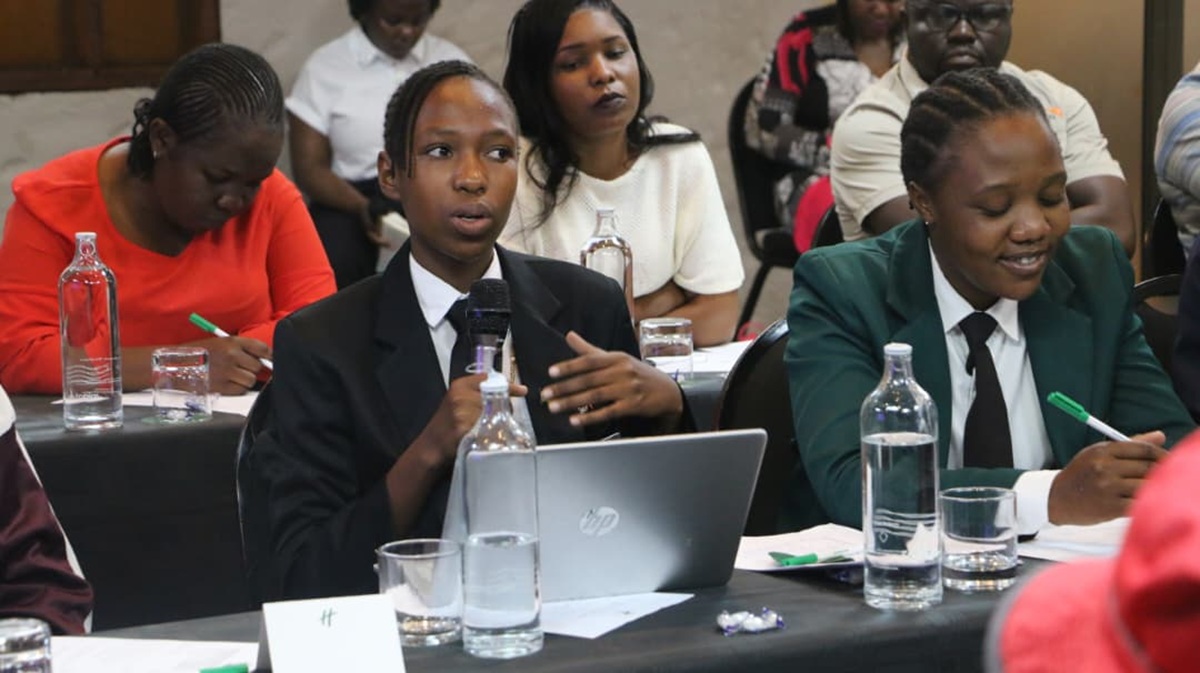
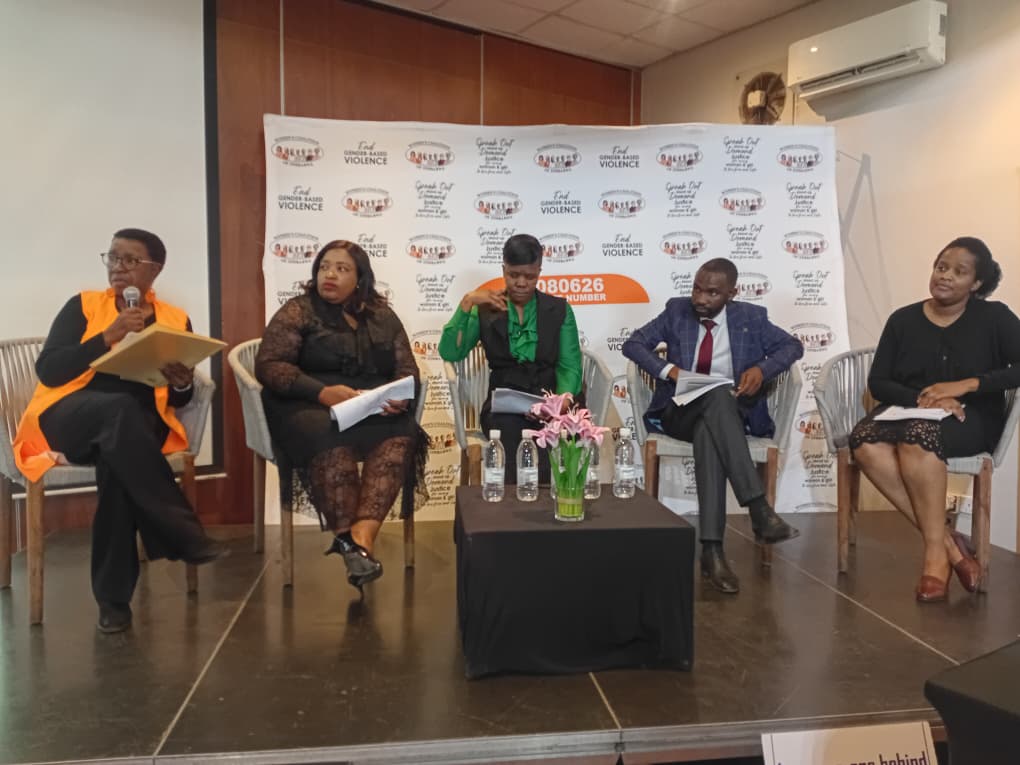
These concerns were raised at a GBV Indaba hosted by the Women’s Coalition of Zimbabwe in Harare, with support from ActionAid. The meeting also coincided with the end of the 16 Days of Activism Against Gender Based Violence commemorations held under the theme Advancing Gender Justice in Zimbabwe, Addressing Barriers in the Digital Age.
Speaking at the meeting, Sergeant Ndlovu from the ZRP Cyber Laboratory under the Forensic Science Directorate said the advent of artificial intelligence has shifted criminal behaviour into a realm that is harder to investigate and prosecute.
“I think the greatest challenge we are facing with cybercrime is that this is a new age of crimes which are different from the traditional crimes we were used to. Before, I could physically point out the person who committed a crime against me,” she said.
Sergeant Ndlovu said deepfake technology and AI powered content manipulation were increasingly being used to humiliate, threaten or coerce women.
“So when we look at how technology is advancing, it has brought a new age of things we did not know. There are tools being created daily that give us a hard time in investigations. With artificial intelligence, I can create a video or picture of anyone here and make them say whatever I want,” she said.
She added that while the ZRP has trained personnel and investigative tools, crimes committed across borders and anonymous digital identities remain a major hurdle.
“We also have the issue of cybercrime being global. Someone in the United Kingdom or Spain can perpetrate a crime against me. For me to know who that person is becomes a challenge because of anonymity. On platforms like Facebook I can comment anonymously which makes it very hard to know who actually posted something,” she said.
She explained that jurisdictional differences further complicate prosecution.
“The crime that I say has been committed against me in Zimbabwe might not be a crime in the country where the perpetrator is. For example, the provisions of cyberbullying in Zimbabwe might not be the same in America. Extradition becomes difficult when the act is not considered a crime in that country,” she said.
She also warned that digital evidence is highly volatile.
“What you have in your phone can disappear in a split second. With one touch, you can delete everything.”
Deputy Director in the Ministry of Women Affairs, Community, Small and Medium Enterprises Development, Mrs Lilian Matsika Takaindisa, said Zimbabwe urgently needs stronger laws, digital safety mechanisms and accountability within tech platforms to tackle the growing problem.
“The digital revolution in Zimbabwe highlights the need to criminalise all forms of digital violence against women and girls. There is also a need to ensure accountability among technology companies with robust moderation policies and to provide access to support and justice for survivors,” she said.
She added that although digital platforms have empowered women to access information and raise their voices, the same platforms have become channels of violence that silence women.
“It is disheartening that online violence is targeted at promising women and girls including those in college, business, politics and the media. These are our role models yet many are now forced to remain silent or go offline which affects our efforts to empower women and improve gender equality,” she said.
WCoZ National Coordinating Committee Chairperson Muchanyara Cynthia Mukamuri, said technology facilitated GBV has exposed deep gaps within the justice system, leaving many survivors isolated and without recourse.
“It is a long standing challenge. Technology facilitated GBV exploits existing weaknesses within our justice system. Today is a crucial platform for collective action. Our goal is to develop a high-level, multisectoral plan to ensure survivors have effective access to justice,” she said.
Mrs Munyara said WCoZ has been working to strengthen survivor referral pathways, including developing a GBV token intended to support the linking of survivors to legal, psychosocial and medical services.
“We have 86 member organisations that offer shelter, legal assistance, psychosocial support, economic empowerment and other services. Everyone plays a part. Half the time I receive calls from women all over the country seeking help and I link them to available services. Even during the festive season when GBV cases spike, we remain available to help,” she said.
She added that this year’s provincial consultations on digital violence were aligned with the global theme of the 2024 Commission on the Status of Women focusing on access to justice. The outcome of these consultations will feed into a joint time bound action plan and a communique to be signed by stakeholders.
WCoZ National Coordinator, Ms Mercy Jaravani, said technology facilitated GBV is not a distant or foreign phenomenon but a daily reality for Zimbabwean women.
“It is very important to appreciate these statistics. When we talk about technology facilitated GBV, we are not talking about something foreign. We are not insulated. It shows up in different ways every day,” she said.