By Michael Gwarisa
The Harare City Health Department has urged parents with children exhibiting symptoms of Hand, Foot and Mouth Disease (HFMD), a viral infection that mainly affects children, to isolate them at home to prevent further spread of the disease.
The warning follows indications of a surge in new infections, with an estimated 2,600 cases recorded cumulatively, mainly among children below the age of 10. Most of the affected children are in Early Childhood Development centres and primary schools.
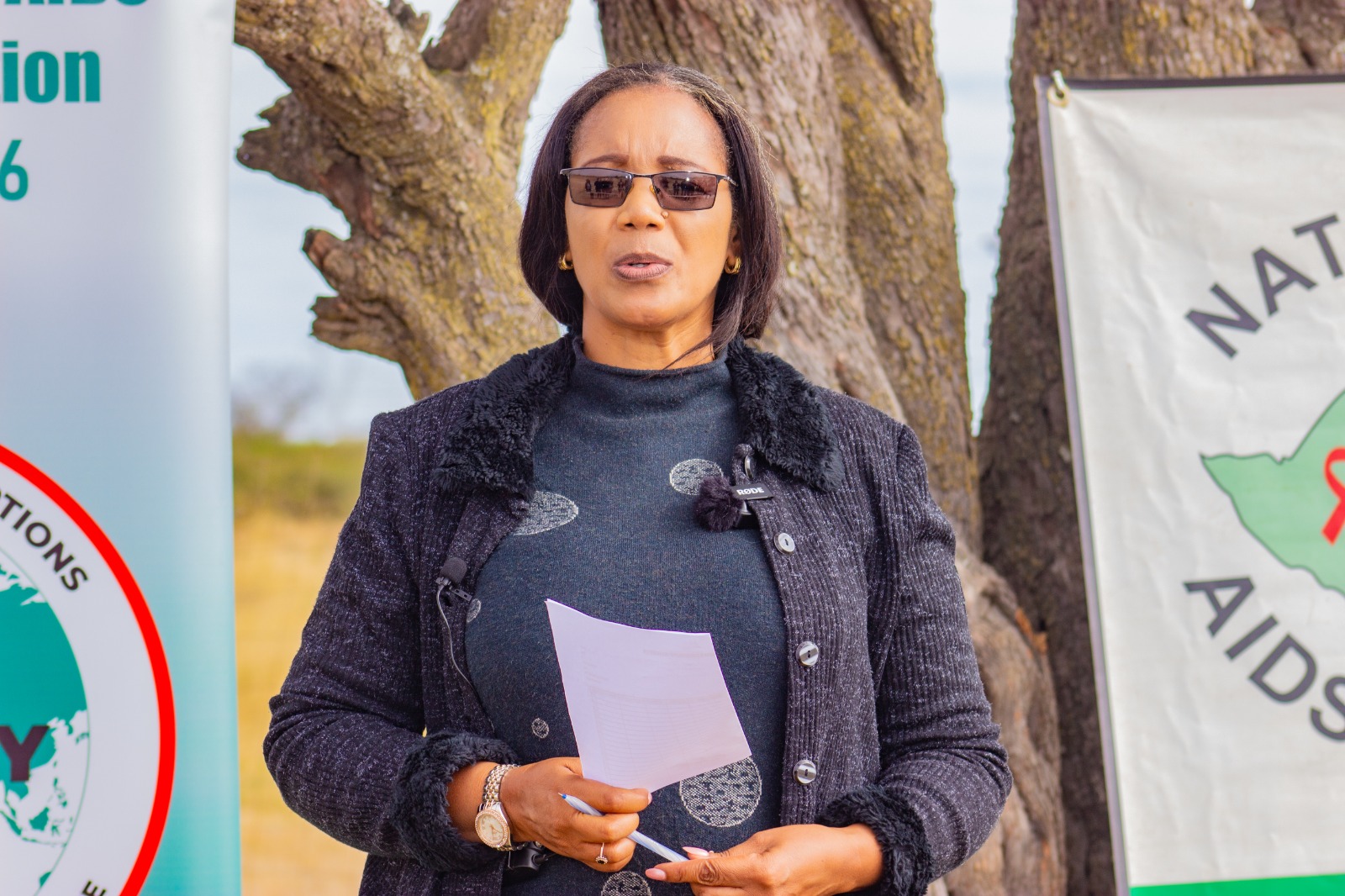
In an interview, Harare City Health Department Deputy Director, Dr Michael Vere, said although the disease remains largely mild, the reopening of schools presents a risk of accelerated transmission.
“We know that schools are opening very soon and these children are expected to be going to school. We therefore encourage those with signs and symptoms not to go to school because this is a highly infectious disease. It is spread through direct contact with lesions and also through droplet infection, such as sneezing or coughing when someone is near or within a metre of you,” said Dr Vere.
Cases are mainly being recorded in Mabvuku, Tafara, Waterfalls, Mbare, Mufakose and Kuwadzana. However, with schools having opened, fears are that cases could rise and overwhelm the health system, while also disrupting learning.
“It is important that those with signs and symptoms stay at home. If they are identified at school, they should be sent back home. The use of disinfectants available in supermarkets is adequate to disinfect areas where children usually play, including toys, walls and desks, so that other children do not get infected,” he added.
Unlike many diseases affecting children, HFMD does not yet have a vaccine, prompting authorities to emphasise prevention as the most effective response.
“Prevention of spread is the key intervention we are encouraging. We also advise people to visit their local clinic when they develop signs and symptoms so that they can be attended to. The disease usually presents with mild symptoms,” said Dr Vere.
However, complications can occur. These include secondary bacterial infections that may cause increased pain around wounds. The disease can also result in children failing to feed properly due to sores in and around the mouth, and in some cases a sore throat may develop.
“It can even affect internal organs such as the heart and the brain because this can be a systemic disease, meaning it spreads through the bloodstream. It is therefore important that precautionary measures are taken to reduce transmission so that fewer children are forced to stay away from school,” he said.
About Hand, Foot and Mouth Disease
Hand, foot and mouth disease is a common viral infection that primarily affects young children and causes painful sores and rashes. Key signs include fever, sore throat and reduced appetite, followed by blisters or rashes on the hands, feet, mouth and sometimes the buttocks.
Signs and Symptoms
HFMD typically begins with a mild fever, fatigue and sore throat about three to six days after exposure. Painful red spots or blisters may then appear in the mouth, including on the tongue, gums or inner cheeks, along with a rash of flat spots or small blisters on the palms, soles and sometimes the knees or buttocks. These may be mildly itchy but are usually not severe.