Michael Gwarisa
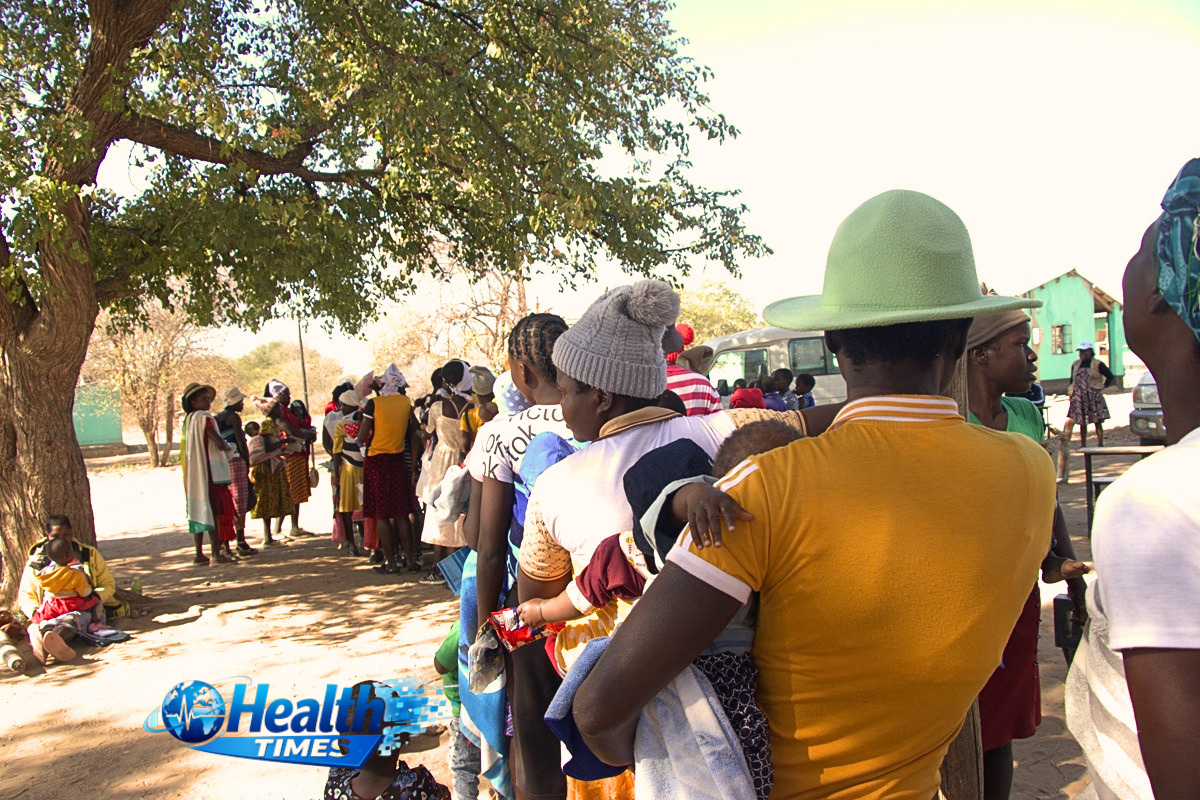
Maternal anaemia is tightening its grip on Zimbabwe, with the latest Zimbabwe Demographic and Health Survey (ZDHS) revealing a sharp and worrying rise over the past decade. In 2015, 27 percent of women of childbearing age (15 to 49) were anaemic. Today, that figure has climbed to 41.8 percent, a nearly 55 percent increase.
In absolute terms, this means millions of women across Zimbabwe are now living with anaemia, underscoring the scale of the country’s growing nutrition crisis. Of those affected, 22.6 percent have mild anaemia, 17.4 percent moderate, and 1.8 percent severe.
The ZDHS further shows that maternal anaemia is not only a women’s health issue but a generational one. Children born to anaemic mothers face a significantly higher risk of developing the condition themselves, a cycle known as intergenerational anaemia. Already, 58.4 percent of children in Zimbabwe, more than half, are anaemic, with 32.0 percent classified as mild, 25.7 percent moderate, and 0.7 percent severe.
Speaking during a Nutrition Champions Capacity Strengthening meeting in Harare, Mara Nyawo, a Nutrition Manager with UNICEF Zimbabwe, said Zimbabwe’s regression on nutrition goals, particularly on anaemia, was worrying.
“So we have not managed to reduce it so far. Instead of getting to 13 percent, we have increased to 42 percent. So 42 percent of women of childbearing age are now considered to have anaemia, as measured by the Zimbabwe Demographic Health Survey,” said Nyawo.
She added that the increase in anaemia was also evident among children and was contributing to negative health outcomes such as neonatal mortality and other growth related conditions. Data shows that poor nutrition contributes to between 35 and 45 percent of deaths of children under five years of age and approximately 40 percent of maternal deaths.
“So it just shows that we need investment in these anaemia prevention programmes, and even expanding them to include school nutrition programmes that help prevent anaemia among children, because even among children, anaemia has increased from 37 percent in 2015 to 54 percent in 2024. So over half of our children are anaemic.”
Zimbabwe had committed to reduce the prevalence of iron deficiency anaemia in women of childbearing age from 27 percent in 2015 to 13 percent by 2025, before pushing the target to 2030. A total of 15 commitments were made at the Nutrition for Growth Summit, with key pledges focusing on addressing stunting, wasting, low birth weight, and iron deficiency anaemia, particularly in women and children.
The country had also envisaged reducing under five stunting from 23.5 percent to 17 percent by 2025 and iron deficiency anaemia in women of childbearing age from 27 percent to 13 percent within the same period. Additional goals include reducing childhood wasting to below 5 percent, increasing exclusive breastfeeding to at least 50 percent, and cutting low birth weight by 30 percent, in line with World Health Assembly targets adopted in national policies.
Mr Kudakwashe Zombe, a nutritionist with ZCSOSUNA, said malnutrition, particularly anaemia, is also carrying a heavy economic cost.
“Anaemia in children aged 6 to 59 months is contributing to future productivity losses of around US$16 million, while in adult men and women it results in a labour deficit of about US$43 million annually,” said Mr Zombe.
He added that anaemia among pregnant women, children aged 6 to 59 months, and adults could be costing Zimbabwe around US$4 million annually, with the burden falling on both the health system and families.
Meanwhile, Zimbabwe’s Statutory Instrument 120 of 2016 stipulates that sugar, cooking oil, maize meal and wheat flour should be fortified with essential vitamins and minerals as a public health measure to prevent micronutrient deficiencies. This policy is expected to benefit about 80 percent of households, translating to more than 10 million Zimbabweans in both urban and rural areas.
However, concerns have been raised by millers and local producers that a significant portion of food products consumed in Zimbabwe are imports and smuggled goods that are not fortified and offer little nutritional value, especially for children. This is in contravention of Sections 4 and 5 of Statutory Instrument 120 of 2016.
Questions have also emerged over enforcement.
“The situation creates an uneven playing field for local producers who are observing the law and incurring additional costs associated with fortification,” added Mr Zombe, urging parliamentarians from the Portfolio Committee on Health to push for stronger enforcement and action against illegal imports.
To address childhood hunger and malnutrition among school going children, Zimbabwe is implementing a mandatory school feeding programme under Statutory Instrument 13 of 2025, requiring schools to provide at least one hot, nutritious meal daily. Supported by UNICEF, World Vision, and government initiatives, the programme targets drought affected areas to boost attendance, reduce child malnutrition, and improve learning outcomes.
However, experiences from learners in affected communities suggest that gaps remain in implementation.
“Budget provisions mainly reach primary schools. There is need to include secondary learners, particularly in rural and drought affected communities,” said Tadiwanashe Mashonganike, a child advocate for school meals, drawing from her experiences as a rural learner.
“Most of the primary schools are the ones receiving the school feeding programme. But if we look at secondary schools, there are higher rates of teenage pregnancies, higher rates of school dropouts, and higher rates of drug abuse. Then comes the question, why are secondary schools being left out and why must they be included?”
She said the heavy reliance on donors was also affecting the sustainability of the programme and called on schools, government, and local authorities to develop long term solutions to support school feeding initiatives.
Without urgent investment and stronger enforcement of nutrition policies, Zimbabwe risks entrenching a cycle where children are born into deficiency, grow up with limited potential, and carry the burden of poor health into adulthood.