Michael Gwarisa
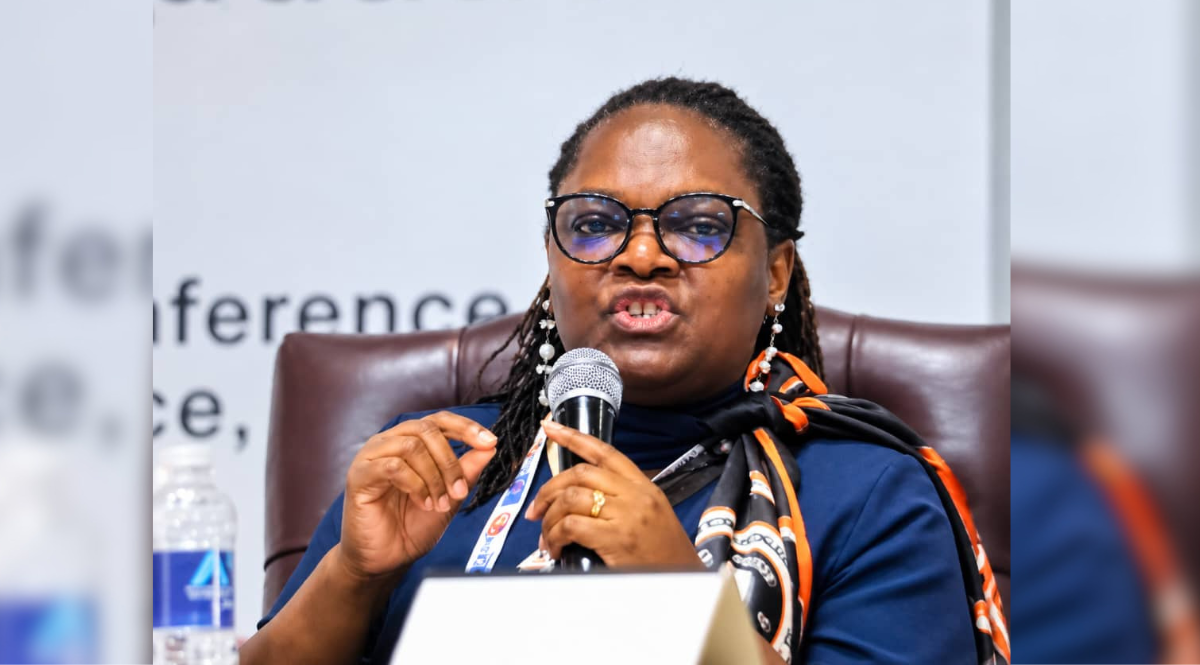
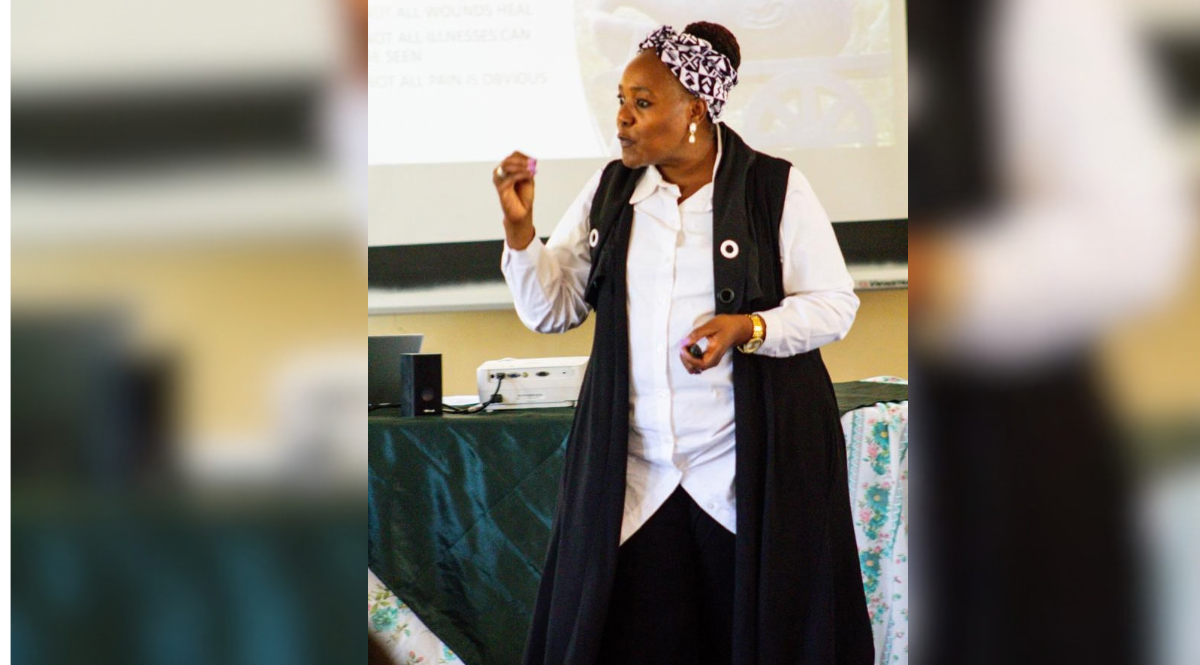
Zimbabwe’s leading family planning expert and trainer with the Zimbabwe National Family Planning Council (ZNFPC), Thandekile Munemo, has cautioned women against closely spaced pregnancies, warning that insufficient recovery time between births can pose serious health risks for both mothers and children.
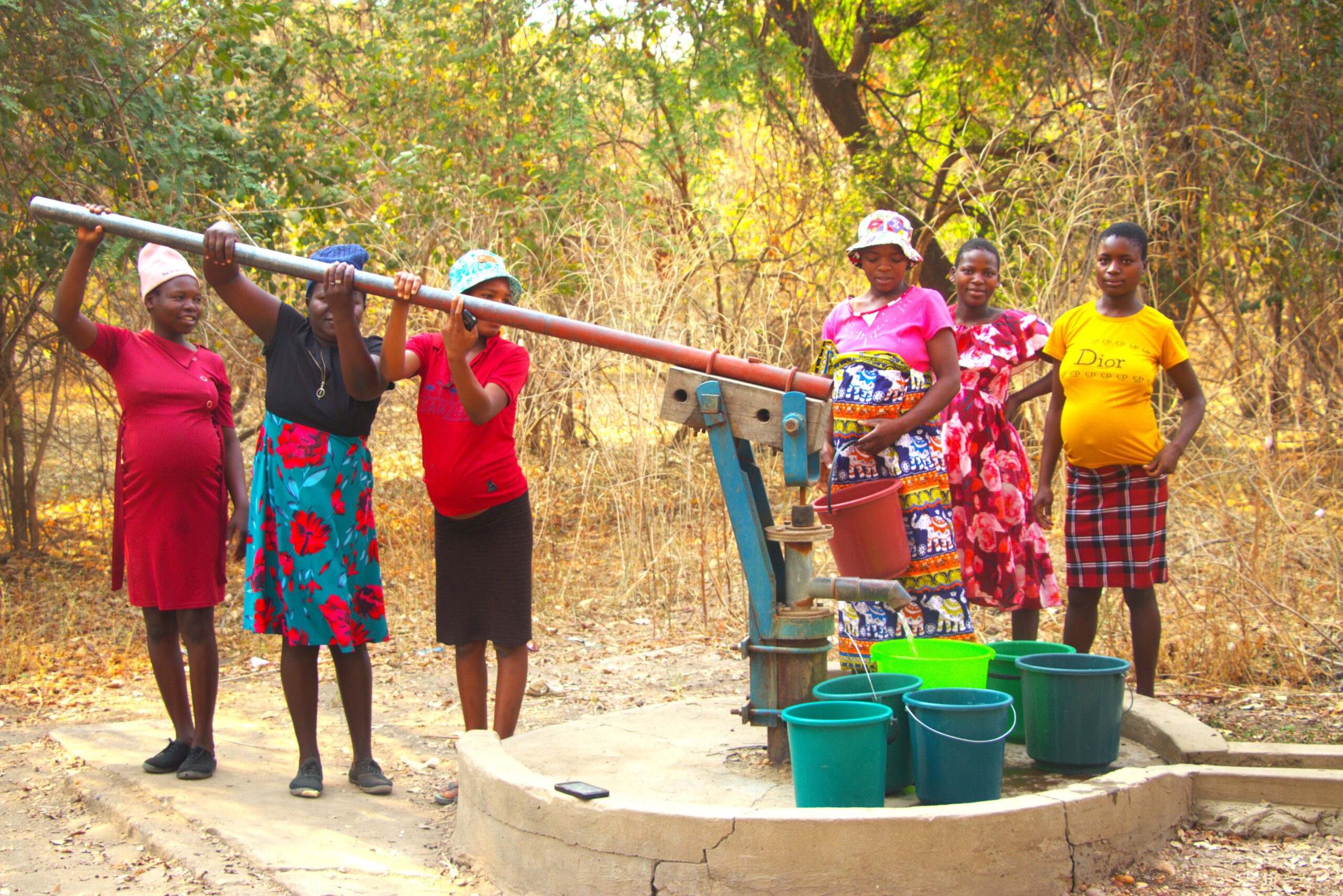
The concept of “gore mwana mwawa”, a Shona phrase loosely translated as “a child every year”, refers to a pattern where a woman conceives again shortly after giving birth, sometimes before the previous child has reached one year of age or has stopped breastfeeding. While culturally familiar in some communities, health experts say this practice can place significant strain on a woman’s body, increasing the risk of complications such as maternal anaemia, pregnancy-related disorders, and poor infant health outcomes.
Health experts also note that in some communities, closely spaced pregnancies are influenced by cultural expectations, limited access to contraception, or misconceptions about breastfeeding as a reliable method of family planning. In other cases, women may face pressure from partners or family members to have children in quick succession, making it difficult to independently plan optimal birth spacing.
Speaking in an interview with HealthTimes, Munemo said that while childbearing is a personal choice, couples should be guided by medical recommendations on birth spacing.
“We are not prescribing when to have a child, but we are saying give yourself the recommended time to rest and the recommended time is two years, which is 24 months, for one to recover from a previous pregnancy,” said Munemo.
“We are saying if one falls pregnant before the two years, there is a risk of developing anaemia because of haemodilution. You are also at risk of pre-term labour. If a woman has had a caesarean section and then falls pregnant before the two-year interval, there is a risk of uterine rupture and also bleeding after delivery, also known as postpartum haemorrhage.”
She added that the uterus requires adequate time to recover after pregnancy.
“The uterus would have been stretched during the previous pregnancy less than two years ago, and now it is stretching again. For it to return to normal tone after delivery becomes difficult, and someone might experience postpartum haemorrhage. We are not saying it will definitely happen, but you are at greater risk of those things happening.”
Closely spaced pregnancies can also affect newborn health. Experts say babies born too soon after a previous birth are more likely to be born prematurely, have low birth weight, or face challenges with early development and immunity. Short birth intervals may also reduce the duration and quality of breastfeeding for the older child, affecting their nutrition and growth.
Data from the latest Zimbabwe Demographic and Health Survey (ZDHS) shows that maternal anaemia is rising in Zimbabwe, increasing from 27 percent in 2015 to 41.8 percent among women of childbearing age between 15 and 49 years. This represents a significant increase of nearly 55 percent over the period.
The report also estimates that one in every 125 women is at risk of dying from pregnancy or childbirth-related complications in their lifetime. Health experts note that the leading medical causes of maternal deaths in Zimbabwe include hypertensive disorders such as eclampsia, severe obstetric haemorrhage, pregnancy-related infections including sepsis, and complications arising from miscarriages or unsafe abortions
Anaemia in women has also been linked to fatigue, reduced productivity, and increased risk of complications during childbirth. Health experts warn that if left unaddressed, it can contribute to poor maternal outcomes, especially in cases where pregnancies are closely spaced and the body has not fully recovered.
In Zimbabwe, where maternal and child health challenges remain a concern, experts are increasingly calling for greater awareness around birth spacing as a critical component of safe motherhood. They say improving access to family planning services and strengthening postnatal counselling could help reduce preventable complications for both mothers and newborns.