Kuda Pembere in Bulawayo
Bulawayo Metropolitan Province recorded strong uptake of Voluntary Medical Male Circumcision (VMMC) in 2024, with the highest coverage achieved among males aged 25 to 29 and 15 to 19 years, according to the National AIDS Council (NAC).
VMMC remains one of Zimbabwe’s key HIV prevention strategies, with studies showing that medical male circumcision significantly reduces the risk of heterosexual HIV transmission among men.
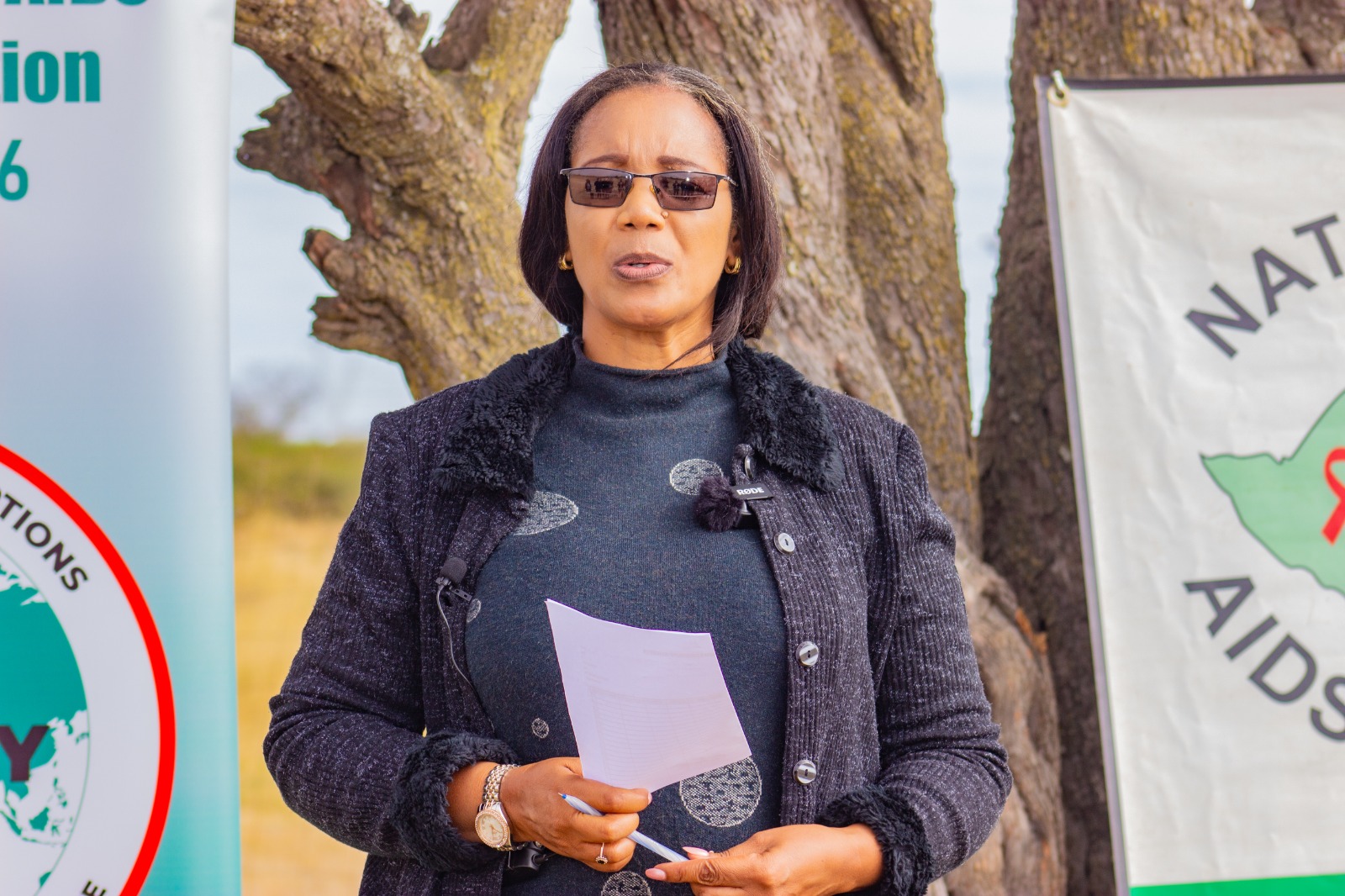
Presenting the province’s HIV response data during a media tour of Bulawayo Province, NAC Monitoring and Evaluation Officer Ms Primrose Sethule Dube said the city had made notable progress in expanding access to VMMC services before the implementation of the United States Government’s stop-work order, which affected several HIV programmes.
“For VMMC, as a province, we were doing very well. We achieved an overall coverage of 35 percent, but there were some population groups where we performed exceptionally well,” she said.
“Among men aged 25 to 29 years, we reached 81 percent coverage, while 75 percent of those aged between 15 and 19 years had accessed VMMC services.”
Health experts regard VMMC as an important component of comprehensive HIV prevention programmes, alongside condom use, HIV testing, treatment and behaviour change interventions.
Ms Dube said the province’s performance across several HIV prevention initiatives has contributed to lower HIV incidence rates compared to national estimates.
“For incidence per 1,000 uninfected population, Bulawayo remains among the provinces with the lowest HIV incidence rates. Our incidence was estimated at 1 percent compared to the national estimate of 1.4 percent,” she said.
She added that HIV incidence among people aged 15 to 49 years also remained comparatively low.
“Our incidence in the 15 to 49 age group continues to be lower than that recorded in many other provinces.”
Despite these gains, challenges remain, particularly around treatment adherence and the province’s HIV prevalence rate.
NAC Bulawayo Provincial Manager Ms Sinatra Nyathi said the organisation is intensifying awareness campaigns targeting congregants and church leaders to address treatment defaulting and misinformation surrounding HIV treatment.
“We are seeing some people defaulting on their medication and others being told by certain churches that they have been cured of HIV. As a result, some stop taking their medication,” she said.
“We continue to encourage people living with HIV to adhere to their antiretroviral treatment because there is currently no cure for HIV.”
Ms Nyathi said Bulawayo’s HIV prevalence remains above the national average despite a gradual decline over the years.
“The prevalence rate in Bulawayo is 10.7 percent. While it has decreased over time, it remains higher than the national prevalence rate,” she said.
She attributed part of the burden to population mobility between Bulawayo and neighbouring Matabeleland North and Matabeleland South provinces, where people frequently travel, work and access services across provincial boundaries.
“People from Matabeleland North and Matabeleland South often come to Bulawayo for work and other activities. Some have homes in Bulawayo while maintaining ties with rural communities, which contributes to population mobility,” she said.
Ms Nyathi said NAC would continue strengthening HIV prevention, testing and treatment programmes to further reduce new infections and improve health outcomes.
Zimbabwe has made significant progress in controlling HIV over the past two decades, with interventions such as VMMC, expanded access to antiretroviral therapy and community awareness campaigns contributing to a steady decline in new infections across the country.
However, health authorities say sustained investment in prevention programmes, treatment adherence and public awareness remains critical to achieving long-term epidemic control.