
By Kuda Pembere
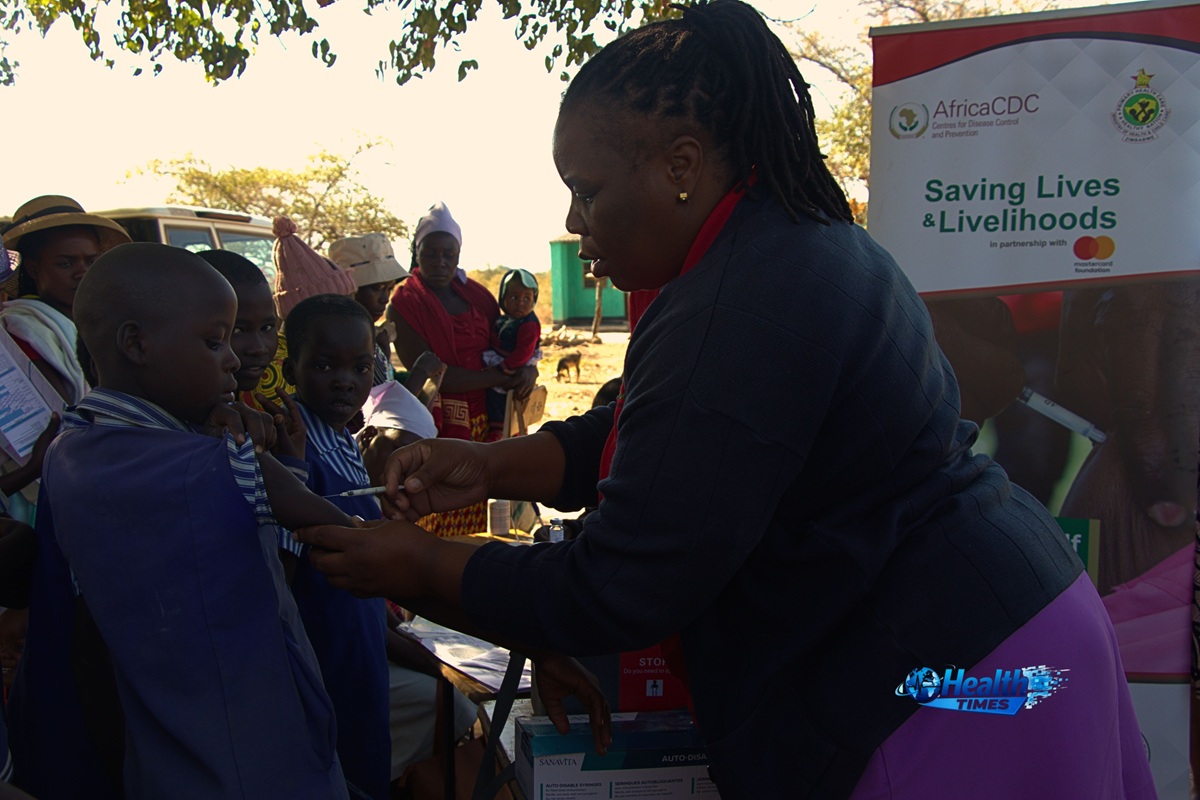
Zimbabwe has staged one of the region’s most remarkable immunisation recoveries, with HPV vaccine coverage soaring from just six percent in 2022 to 90 percent in 2025, making it the second-highest performer in the Southern African Development Community (SADC).
The latest figures from the 2025 World Health Organization (WHO) and the United Nations Children’s Fund (UNICEF) HPV vaccine coverage estimates show an 84 percentage point increase over three years, reversing what had been one of the region’s steepest declines in HPV vaccine coverage during the COVID-19 pandemic.
Zimbabwe’s HPV vaccination programme had maintained relatively high coverage before the COVID-19 pandemic, recording 79 percent in 2018 and 87 percent in 2019. Coverage fell to 63 percent in 2021 before dropping to just six percent in 2022.
Since then, uptake has steadily improved, reaching 53 percent in 2023, increasing to 80 percent in 2024 and rising further to 90 percent in 2025.
Among SADC countries, only Tanzania reported higher coverage, reaching 99 percent in 2025 after recording consistent gains over several years.
Other countries also showed varying degrees of recovery following pandemic-related disruptions. Mozambique increased from 32 percent in 2022 to 74 percent in 2025 after peaking at 89 percent the previous year, while Malawi recovered from between seven and 12 percent in 2021 and 2022 to reach 82 percent in 2025.
South Africa remained comparatively stable, recovering from a low of 37 percent in 2021 to maintain coverage of about 78 to 79 percent since 2023.
In contrast, Eswatini and Lesotho experienced declines in recent years. Eswatini fell from 61 percent in 2023 to 13 percent in 2025, while Lesotho dropped from 70 percent in 2024 to 30 percent in 2025.
Mauritius ended 2025 with coverage of 87 percent despite fluctuations over the past decade. Seychelles closed at 67 percent after several years of inconsistent performance, while Botswana has remained below earlier levels recorded before the pandemic.
Angola, Comoros, Madagascar and Namibia each have only a single 2025 data point available, limiting trend comparisons. The Democratic Republic of the Congo is not included in the dataset.