By Michael Gwarisa in Mutoko
Mobile One-Stop Centres (MOSCs), designed to support survivors of gender-based violence (GBV), are revealing a lesser-known reality in Zimbabwe: men being physically and verbally abused by their female partners. These centres provide a safe space for men and women alike to report abuse and access critical services, challenging traditional perceptions that GBV affects only women.
“My wife cut me with a knife,” said 51-year-old Shadreck Madziwa* from Mutoko, Mashonaland Central. “We had an argument, and she grabbed a knife and stabbed me. She joined hands with our son to attack me. My son had an axe, and my wife used a knobkerrie and bricks.”
He continued: “She shouted, encouraging our son to hit me. She then burned me with a wooden stick until the embers went out on my shoulder.”
The conflict began over money from crops they had sold. “I told my wife I would give her the money, but she demanded it immediately. That’s when she became violent,” he said.
Shadreck added that the abuse has escalated since 2020. “She burns my clothes and belongings, abuses me verbally every day, and provokes me to react, but I know it is wrong to abuse a partner. I wash my own clothes now, and we are not on good terms. She refused to come to the One-Stop Centre today.”
He also said that his wife now denies him intimacy, and at times he goes more than a month without sex.
Shadreck’s story is not unique. Many men endure abuse in silence, fearing stigma, shame, or disbelief. In Zimbabwe, limited data exists on GBV against men, although evidence shows men experience domestic abuse, sexual coercion, and other forms of violence in homes, schools, and communities. Many victims remain unreported due to social stigma, inadequate services, and weak reporting systems.

Mobile One-Stop Centres are beginning to fill that gap. Across Zimbabwe, MOSCs are documenting cases like Shadreck’s, demonstrating that men, too, need protection, counselling, and legal support. These centres are providing life-changing access to services that were previously out of reach, helping men and women alike break the silence around abuse.
This particular case was reported by a child care worker from the Department of Social Welfare following a tip-off. Thembiso Sweswe, a legal officer at the Pamuhacha HIV and AIDS Project, confirmed that during outreach visits to Mutoko, multiple men came forward as victims of GBV.
“When they visited Chinenga, we witnessed that GBV wears a different face here,” said Sweswe. “It is very common that people associate GBV with women and girls. But men are experiencing abuse as well, and it is increasingly being reported during these outreach programmes.”
The MOSC initiative is a partnership between the Government of Zimbabwe (MoWACSMED and ZGC), UNDP, and the Judith Neilson Foundation (JNF). The programme brings integrated, survivor-centred services directly to communities, reducing barriers such as distance, cost, and stigma. It strengthens access to justice, health, psychosocial support, civil registration, and economic empowerment for survivors in hard-to-reach areas.
Piloted in Mashonaland West and Manicaland since 2023, the centres provide not only immediate assistance but also entry points for livelihoods support, helping survivors regain independence and confidence.
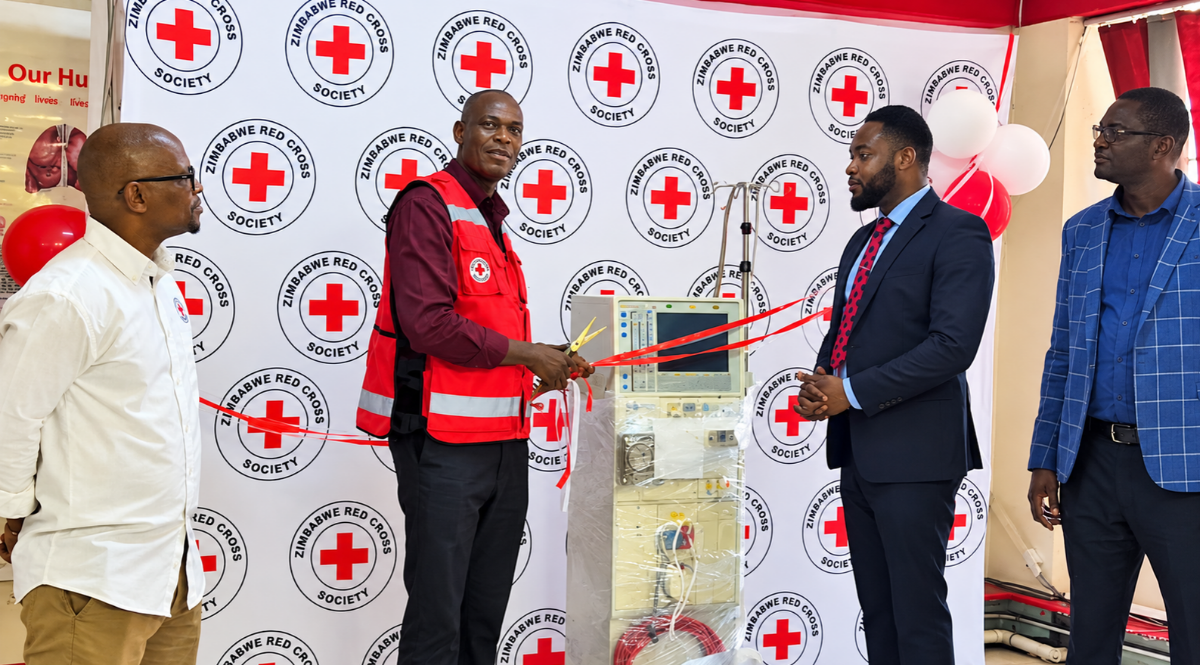
Officially launching the program “Strengthening Access to Victim-Friendly Justice Services and Economic Empowerment Opportunities for Survivors of Sexual Exploitation and Abuse in Hard-to-Reach Areas in Zimbabwe,” Minister of Women Affairs, Community, Small and Medium Enterprises Development Hon. Monica Mutsvangwa acknowledged the rise of GBV against men.
“If there are women in this community who abuse men, I want to say: Gender-Based Violence is a crime in this country. It does not matter whether the perpetrator is a man or a woman. Do not take the law into your own hands; report to the police,” she said, praising the One-Stop Centre project for bringing services directly to survivors.

Zimbabwe Gender Commission Chairperson, Commissioner Margaret Mukahanana-Sangarwe, emphasized that ending GBV requires both men and women to work together.
“This project is distinct because, while assisting survivors, it also trains male gender champions at the grassroots level, particularly youth, to bring messages of gender equality into their communities. A gender-just society is only possible when both men and women recognize that equality benefits everyone,” she said. She added that violence against women and girls remains a scourge and public awareness campaigns remain crucial to preventing SGBV across Zimbabwe.
Mrs. Tafadzwa Muvingi, UNDP Zimbabwe Team Leader for Transformative Governance, highlighted the scale and impact of the MOSC initiative.
[pullquote]“This is decentralization and devolution in action. Just in 2025 alone, 5,717 people across Manicaland, Mashonaland West, and Matabeleland South have accessed justice, health, and civil registration services through these centres. We want to do more because these services are critical, and stakeholders must continue working to meet these needs,” she said.[/pullquote]
Pamuhacha HIV and AIDS Project contributes by providing psychosocial support and assisting survivors with services such as birth registration and counselling.
“Many previous mobile centres focused mainly on awareness-raising. This model prioritizes actual service delivery for vulnerable populations,” said Mrs. Nyamukondiwa, Director of Pamuhacha.
Funding for MOSCs comes from multiple partners, ensuring comprehensive support for survivors. The Judith Neilson Foundation provides USD 446,581.80 (2023–2026) for justice, health, psychosocial support, and economic empowerment in hard-to-reach areas. The INTEGRA Funding Window contributes USD 60,000 to strengthen transparency and accountability in service delivery, complementing JNF support. The UN Partnership on the Rights of Persons with Disabilities contributes USD 30,000 to ensure accessible, disability-friendly services.
These funds translate into real, tangible change: counselling sessions, legal advice, healthcare access, psychosocial support, birth registration, and economic empowerment opportunities. For men like Shadreck, they represent hope, dignity, and a path out of silence and fear.
Shadreck’s story underscores the hidden suffering of men in Zimbabwe. While many remain nameless and unheard, initiatives like the Mobile One-Stop Centres are shining a light on their experiences, proving that GBV affects everyone, and that support is available.
Note: The name of the survivor has been changed to protect his identity.