By Kuda Pembere
Zimbabwe has signed a Memorandum of Understanding (MoU) with Tshiamiso Trust to pave the way for the compensation of former mineworkers in South African mines who suffered permanent lung damage due to silicosis and those who contracted work-related tuberculosis (TB).
The MoU formalises cooperation between the Government of Zimbabwe, through the National Social Security Authority (NSSA), and Tshiamiso Trust to ensure access to compensation for eligible former mineworkers and their dependents.
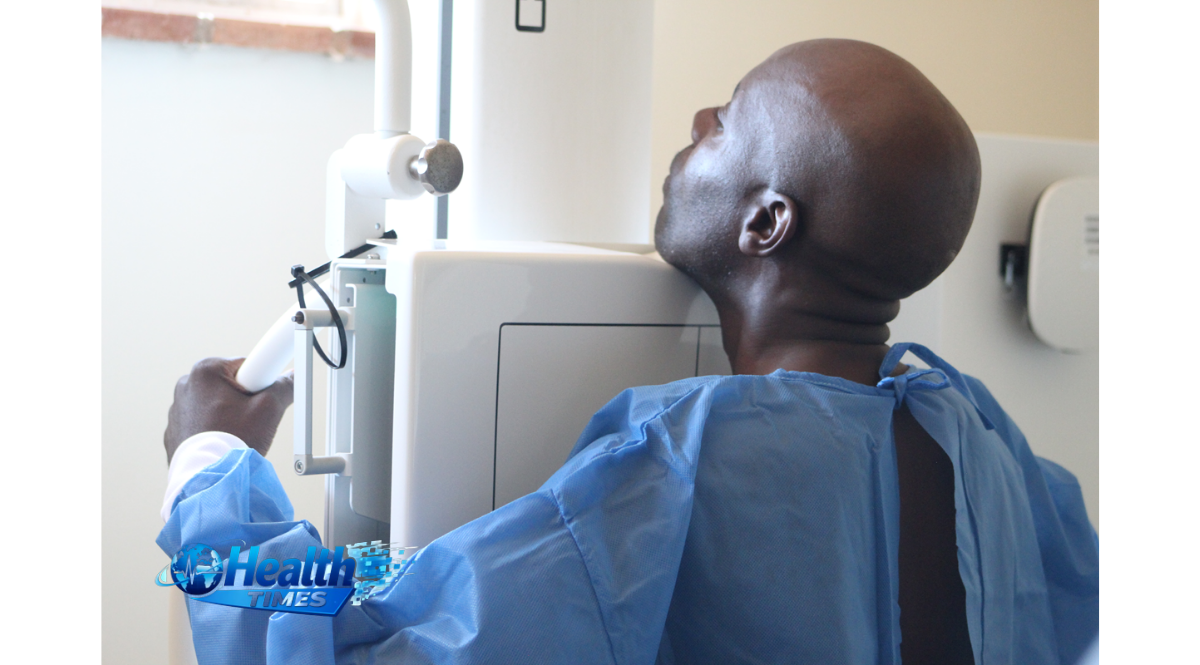
Following a competitive Request for Proposals (RFP) process, Baines Occupational Health Services was appointed in November 2024 as the accredited service provider to conduct both lodgement and Benefit Medical Examination (BME) services. Clinics in Harare, Gweru, and Bulawayo will begin assisting claimants from November 2025.
Tshiamiso Trust Chief Executive Officer, Dr. Munyadziwa Kwinda, told HealthTimes that the launch of these services represents a critical milestone in the Trust’s regional mandate to reach eligible claimants across Southern Africa.
“Tshiamiso Trust is here in Zimbabwe today for two purposes. One is to mark the beginning of the Tshiamiso services in this country, and number two, to do that we are signing the Memorandum of Understanding with the Government of Zimbabwe represented by the National Social Security Authority,” he said. “This is the beginning of the compensation system for all ex-mine workers and, where they have passed away, their dependents who suffered from TB and work-related TB and silicosis while working in the gold mines in South Africa between 12 March 1965 and 10 December 2019.”
He explained why the compensations have taken time.
“Tshiamiso Trust was established for a period of 12 years, and this period involves locating claimants across the whole region, the Southern Africa region, from 2019 to around 2031. So we have been moving from one region to another, of course within the limited resources that we have, and this is now the opportunity to be in Zimbabwe,” he said. “For us to start in a country there are processes that we have to engage with, especially with the relevant government of the country. Hence today we mark the beginning of the work of the Trust in Zimbabwe in partnership with the government of this country.”
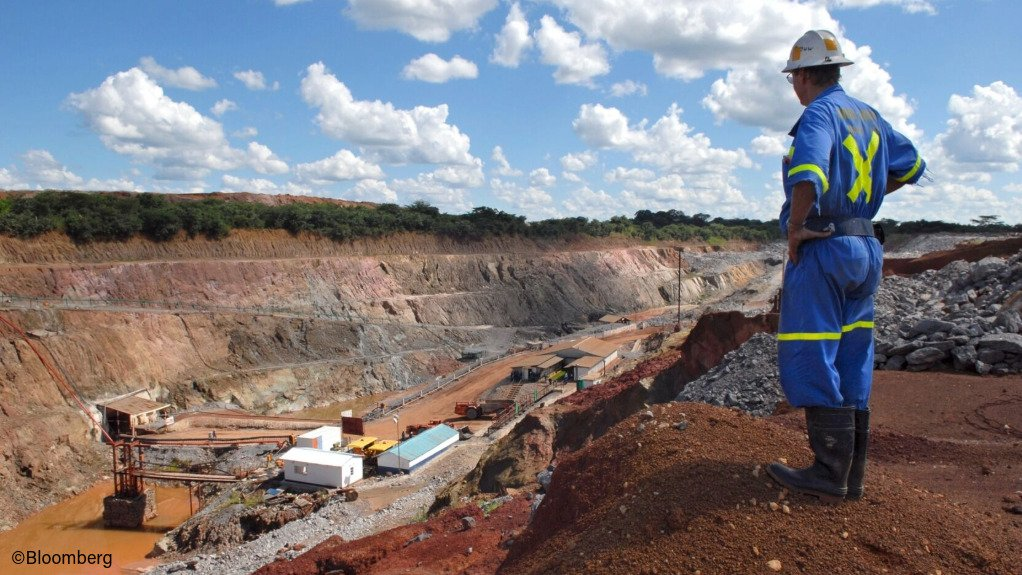
To lodge a claim, mineworkers must have carried out risk work at one of the qualifying gold mines during the qualifying periods between 12 March 1965 and 10 December 2019, as indicated in Schedule F of the Trust Deed. Living mineworkers must have permanent lung impairment from silicosis or TB contracted while performing risk work at these mines.
If a mineworker did less than five years of risk work, they will need to pay about US$110 (R1,900) for the Benefit Medical Examination (BME), which will be reimbursed if they have an eligible claim. Those who did more than five years of qualifying risk work will receive a free BME.
For deceased mineworkers, there must either be evidence that they died from work-related TB within a year of leaving the mine (if it is a TB claim), or evidence that they had silicosis if they died between 1 January 2008 and 10 December 2019.
“These are the broad eligibility criteria. Claims are assessed thoroughly, following what is prescribed by the Trust Deed, and specific criteria apply to each of the 10 categories available for compensation,” said Dr. Kwinda.
Dr. Kwinda said the latest statistics show that the Trust has disbursed about US$140 million to claimants in South Africa, Lesotho, Eswatini, Mozambique, and Botswana.
“We are gathered here to formally launch the Tshiamiso Trust Compensation Services in Zimbabwe and to sign a memorandum of understanding with the Government of Zimbabwe, a commitment to cooperation, accountability, and a shared purpose. Tshiamiso is a Zimbabwean word which means to make good or to correct or to put right.
“That is our mandate, to make good on a promise to the mineworkers who may qualify for compensation through the Tshiamiso Trust because they suffered permanent lung damage from silicosis and tuberculosis while performing risk work on the South African gold mines. Through our operations in South Africa, Lesotho, Mozambique, Eswatini, and Botswana, we have already paid just under US$140.3 million. In fact, we are only left with about US$409,000 to reach that amount, and I am hopeful and very positive that when we close the month of October, we will have reached that target.
“And this is to 25,000 former mineworkers and their families. Thanks to the collaboration with NSSA and the Government of Zimbabwe, we are now able to bring these services to your doorstep,” he said.
He added that the settlement agreement was valued at about US$292 million, and the number of eligible claims will determine the total amount disbursed.
“The settlement agreement was settled for about US$292 million, with roughly US$49.4 million set aside for the administration of the Trust.
“So we do not have specifically how much we are going to pay to Zimbabweans because payment depends on medical eligibility criteria, which determine whether someone has a qualifying disease or not. Currently, our medical eligibility rate is sitting at only 30 percent, meaning that out of 10 claimants, only three are compensated,” he said.
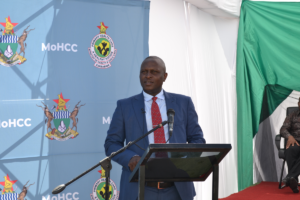
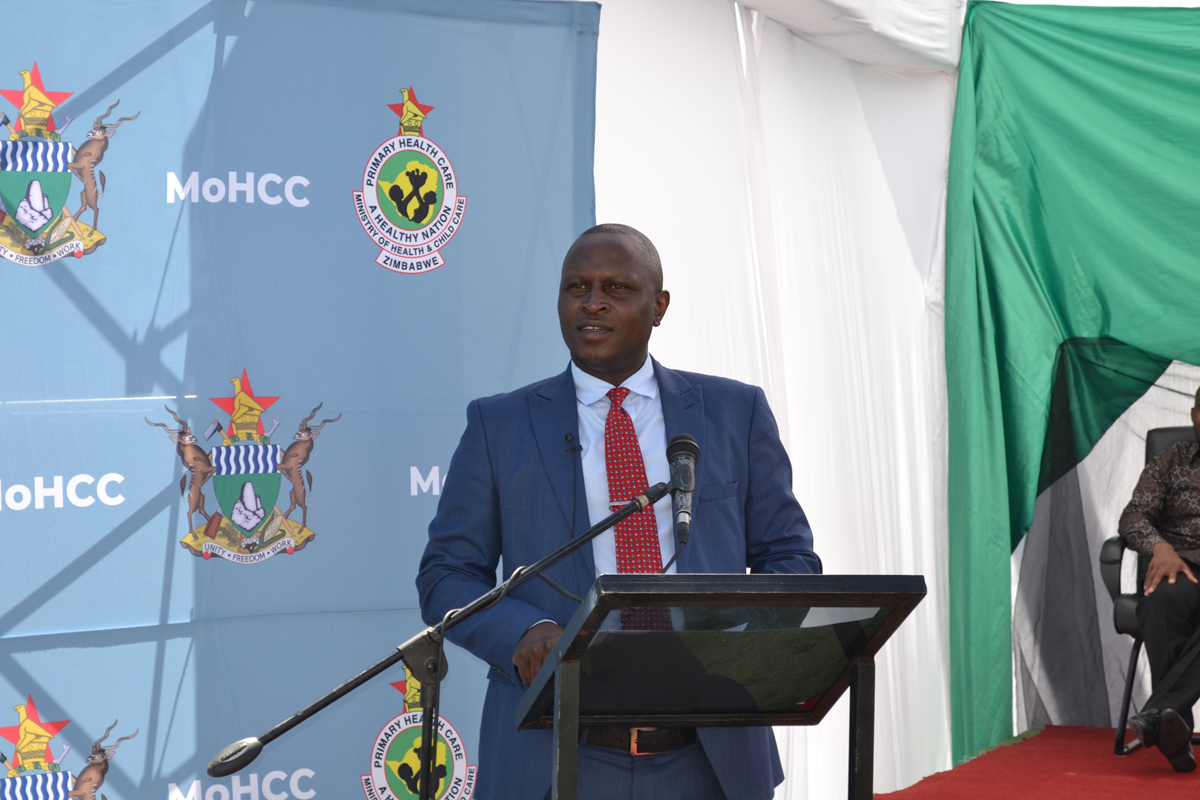
NSSA Chief Executive Officer, Dr. Charles Shava, welcomed the partnership, describing it as an important step in social protection for former mineworkers and their families.
“Zimbabwe is home to many who spent their working lives in South Africa’s mines and returned home with illnesses that changed their futures. Through this collaboration, we are ensuring that those who qualify can now access the compensation due to them, closer to where they live. NSSA remains committed to working with regional partners like Tshiamiso Trust to expand social security and strengthen cross-border protection for our workers,” said Dr. Shava.