Michael Gwarisa
After days of speculation and heightened public debate, Zimbabwe’s Medical Services Amendment Bill [H.B. 6A, 2025] has passed Parliament, but without the contentious Clause 11, which was formally deleted during the legislative process.
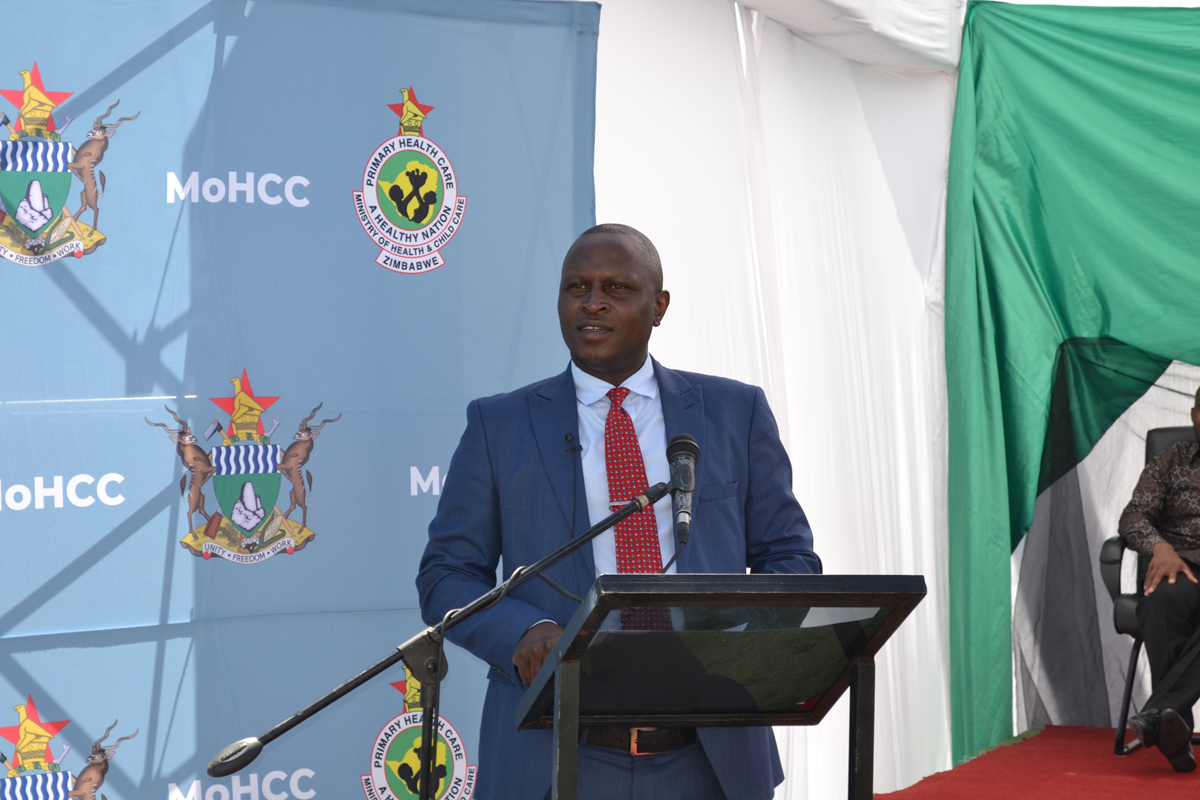
The Bill was considered during the Committee Stage in the Parliament of Zimbabwe, where Clauses 1 to 10 were approved without amendment. When lawmakers reached Clause 11, the Hon. Seliman Kwidini, Deputy Minister of Health and Child Care, moved that the clause be removed, indicating it could be discussed at a later stage if necessary. The House agreed, and Clause 11 was deleted. The Bill was then reported without further amendments and proceeded to the Third Reading, where it was passed.
The deletion followed intense scrutiny after the Deputy Minister revealed that Clause 11 had not been part of the original Bill approved by the Lower House and had appeared unexpectedly during later stages of the process.
“What I want to assure this House is that Clause 11 is a surprise to us as a Ministry,” said Honourable Kwidini.
“We were surprised to learn that when the Bill was introduced, there was Clause 11. On the First Reading, which was done in the Lower House, there was no Clause 11. There were ten clauses, meaning the Bill was ending on Clause 10. Nevertheless, as the Ministry, we are saying Clause 11 cannot be part of this Bill.”
He added that when the Ministry of Health presented the Bill to the Lower House, Clause 11 did not exist and its inclusion came as a shock.
“There is Clause 11, but the fact is that when the Ministry of Health presented this Bill in the Lower House, that Clause was not there. The Minister was even shocked when he received calls to say Clause 11 is talking about abortion,” he said.
Traditional leaders also raised strong objections. Fortune Charumbira, Deputy President of the Chiefs Council, questioned how the clause had emerged and warned against proceeding without clarity.
“Minister, our understanding, based on what went through the National Assembly, was that there were issues with abortion in this Bill, specifically Clause 11. It is missing from your presentation. Was it deliberate or an omission?” he asked.
“My appeal, Mr. President, is that we want to avoid the potential acrimony around this abortion business. In Shona, tanga takagadzirira kurwa chaizvo.”
Other senators echoed the chiefs’ concerns, making it clear that the Bill would not proceed with Clause 11 intact. Its eventual deletion cleared the way for the Bill’s smooth passage, bringing the legislative process to a close without the controversial provision.
What Clause 11 Was About
According to the Parliamentary Reproductive Health Caucus, Clause 11 of the Medical Services Amendment Bill did not create a new right to abortion, amend the Constitution, repeal the protection of unborn life, or introduce abortion on request. Instead, its purpose was described as limited and regulatory, focusing on how lawful medical services that are already recognised by the Constitution are accessed within Zimbabwe’s health system.
“Its purpose is limited and regulatory: to govern how lawful medical services, already recognised by the Constitution, are accessed within Zimbabwe’s health system. Section 48 of the Constitution guarantees the right to life, including protection of unborn life,” reads the caucus document.
Under Zimbabwean law, termination of pregnancy is permitted only in narrowly defined and constitutionally sanctioned circumstances. These include situations where the life of the woman is endangered, where there is serious foetal abnormality, where a pregnancy results from rape, incest, or unlawful sexual intercourse with a minor, or where termination is necessary to preserve the woman’s physical or mental health. In all cases, termination must occur strictly in accordance with procedures prescribed by law. These grounds are exhaustive, and Parliament has no authority to introduce abortion on demand unless the Constitution itself is amended by the people of Zimbabwe. Clause 11 was framed to operate strictly within these constitutional limits.
The rationale for Clause 11, according to the caucus, lay in addressing long-standing procedural problems that have already been identified by the courts. These include excessive procedural barriers that delay access to lawful care, requirements that retraumatise survivors of rape or incest, and administrative hurdles that have previously been declared unconstitutional. The clause did not expand the grounds for termination of pregnancy. Rather, it focused on how lawful care is accessed, not on who qualifies for it.
Zimbabwean courts have repeatedly clarified that procedures must facilitate, rather than frustrate, constitutionally permitted health services. In a case brought by Women and Law in Southern Africa, the court struck down procedural requirements that undermined dignity, equality, and access to lawful health care, while making clear that the judgment did not legalise abortion on demand. In Community Working Group on Health v Minister of Health and Child Care, the court reaffirmed that administrative barriers cannot render constitutional rights illusory, particularly for vulnerable groups. Clause 11 was intended to align medical legislation with these binding judgments while respecting the sanctity of life.