
Michael Gwarisa
Zimbabwe’s healthcare sector faces uncertainty as health funders warn that proposed regulatory changes could disrupt medical aid societies that finance up to 80 percent of private healthcare.
The proposed reforms, contained in the IPEC Amendment Bill, have triggered concern among healthcare funders who warn the move could disrupt a system that has long sustained the country’s private health sector.
In their position paper, the Association of Healthcare Funders of Zimbabwe says medical aid societies are central to healthcare delivery, covering millions of Zimbabweans and providing a steady income stream to service providers. The body argues that placing the sector under a financial regulator risks weakening its health-focused mandate and could destabilise the broader healthcare ecosystem.
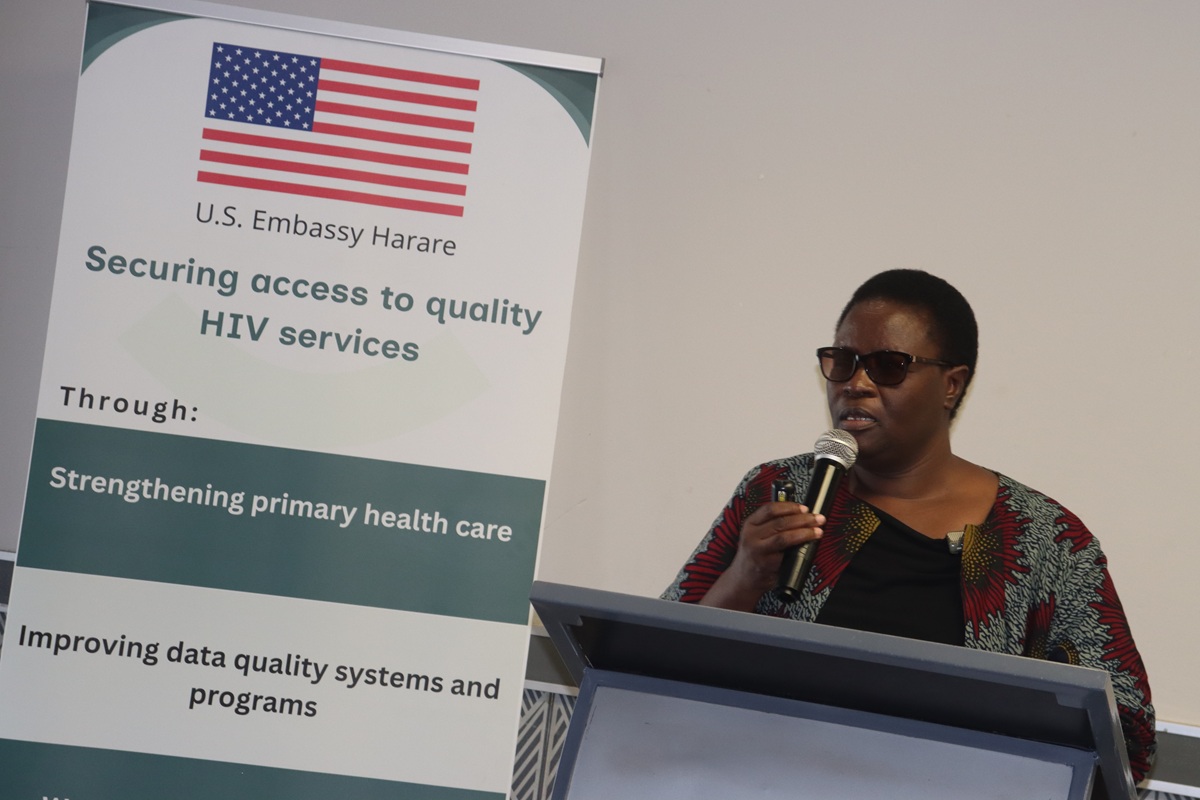
Ms Shylet Sanyanya, chief executive officer of AHFoZ, said the proposed shift raises critical concerns about the future of healthcare financing in Zimbabwe.
“We are deeply concerned that moving medical aid societies to a purely financial regulator risks undermining the health focus of our sector. Medical aid is not just about money. It is about ensuring access to quality healthcare, improving patient outcomes, and sustaining the entire healthcare delivery system,” she said.
AHFoZ is the umbrella body for medical aid societies and healthcare funders in Zimbabwe. Formed in 1969, the association represents an industry that has existed since 1930 and currently covers approximately 1.7 million lives, about 10 percent of the population. Zimbabwe’s medical aid system has historically been regarded as one of the strongest in the SADC region outside South Africa.
Over the years, medical aid societies have become critical partners to Government in facilitating access to healthcare. They cover a significant portion of the country’s workforce and contribute nearly 80 percent of the income for private healthcare providers. This steady flow of funding has helped retain skilled health professionals and sustain private institutions that complement public healthcare services.
Beyond financing, medical aid societies have also worked closely with Government through AHFoZ in key national health responses. These include hospital ward renovations, support during the HIV and Covid pandemics, training of public hospital billing personnel, and participation in technical working groups under the Ministry of Health and Child Care.
At the core of their operations, medical aid societies focus on a holistic model of care that prioritises prevention, wellness, treatment, and rehabilitation. AHFoZ argues that this health-centred approach could be compromised if regulation shifts away from the health sector.
The current debate stems from efforts by Government to address governance concerns within the medical aid industry. The Ministry of Health and Child Care had initially moved to establish a dedicated Medical Aid Societies Regulatory Authority aimed at strengthening oversight while preserving the sector’s core mandate.
However, the IPEC Amendment Bill proposes placing medical aid societies under the Insurance and Pensions Commission, a move that AHFoZ believes may not address the underlying issues.
According to the position paper, governance gaps can be resolved within the health sector framework. The Ministry of Health already has a clear legal mandate under the Public Health Act to oversee health financing and medical aid operations. The Act also provides for representation of healthcare funders within national health governance structures.
AHFoZ argues that maintaining regulatory oversight within the Ministry aligns with Zimbabwe’s broader development agenda, including the goal of achieving an upper middle-income society by 2030.
The association also points to regional best practice. In South Africa, a larger and more complex medical aid industry is regulated by the Council for Medical Schemes, which operates under the Ministry of Health. Financial products linked to medical aid, such as hospital cash plans, are handled separately through targeted regulations.
Sanyanya said Zimbabwe could adopt a similar approach rather than transferring the entire sector to a financial regulator.
“There is a misconception that changing the regulator will automatically resolve issues such as claim rejections or shortfalls. These are complex, industry-specific challenges that require health sector expertise, not just financial oversight,” she said.
The position paper further notes that medical aid differs fundamentally from other insurance products. While claims in sectors such as motor or funeral insurance are infrequent, medical aid involves continuous and often unpredictable claims driven by patient needs.
AHFoZ also warns that shifting regulation could fragment the healthcare ecosystem, which relies on close coordination between providers, funders, and patients. Removing medical aid societies from the Ministry of Health could weaken this coordination and complicate dispute resolution processes that require specialised health knowledge.
Concerns have also been raised about the potential duplication of skills and resources. AHFoZ argues that IPEC currently lacks the healthcare-specific expertise needed to effectively regulate medical aid societies, which could result in inefficiencies rather than improvements.
The association draws parallels with the pensions sector, where governance challenges were addressed through reforms within the existing regulatory framework rather than a complete change of regulator.
As a way forward, AHFoZ is urging Government to fast track the establishment of a dedicated Medical Aid Societies Regulatory Authority under the Ministry of Health and Child Care.
“We believe a specialised regulatory authority that understands the unique dynamics of medical aid will strengthen governance while preserving the integrity of the healthcare system. This is not just about the industry. It is about protecting access to healthcare for Zimbabweans,” said Sanyanya.
AHFoZ maintains that a well-regulated and sustainable medical aid sector has far-reaching benefits, not only for patients and providers but for the entire national economy.