By Kuda Pembere
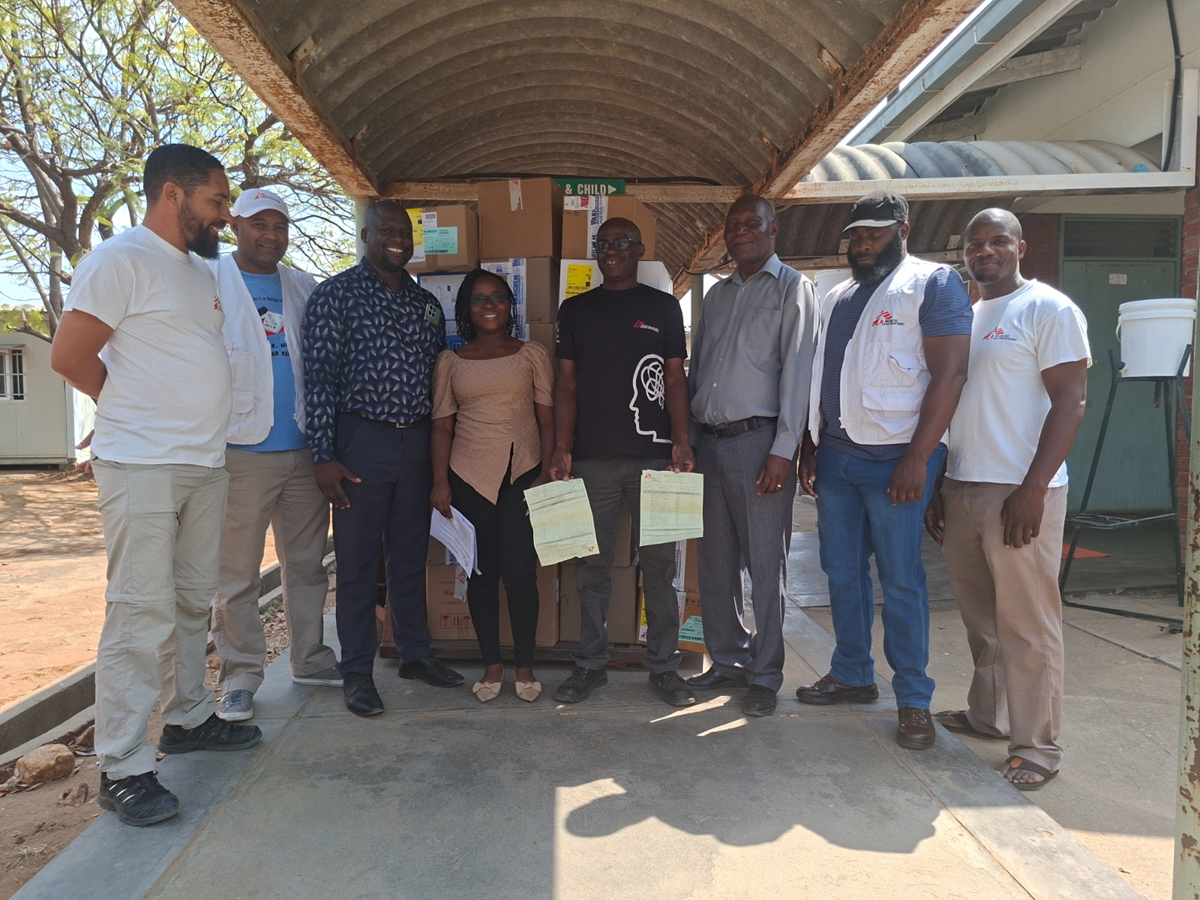
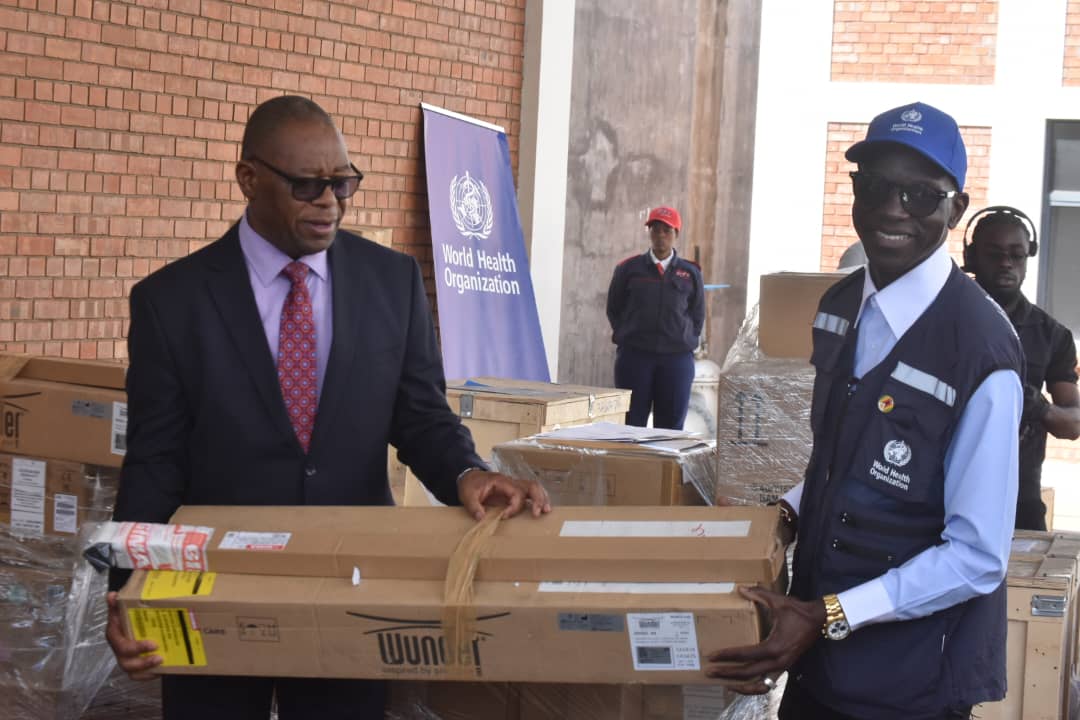
Zimbabwe has received cervical cancer diagnostic equipment and cholera treatment tents worth approximately US$350,000 from the World Health Organization (WHO), a major boost to the country’s efforts to strengthen cancer care and emergency disease response.
The cervical cancer equipment was secured under the Women Integrated Cancer Services (WICS) Project and will be distributed to central, provincial and district hospitals across the country.
Zimbabwe has one of the highest cervical cancer burdens globally, with an incidence rate of 68.2 cases per 100,000 women and a mortality rate of 47.9 deaths per 100,000 women. Each year, the country records about 3,043 new cases and 1,976 deaths from the disease. Despite this burden, only between 13.4% and 29% of women of reproductive age access cervical cancer screening services.
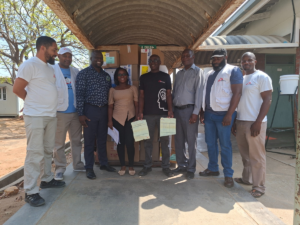
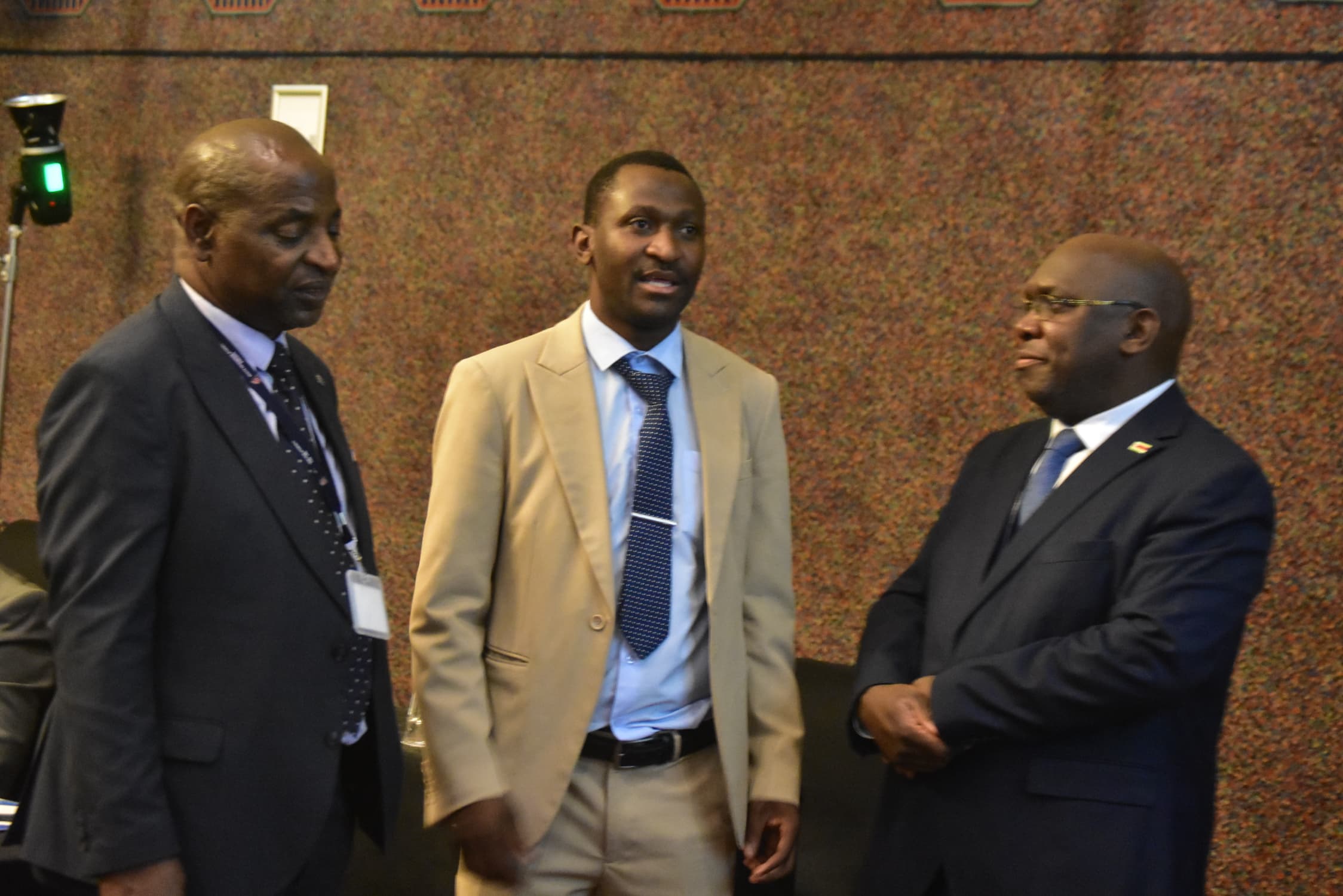
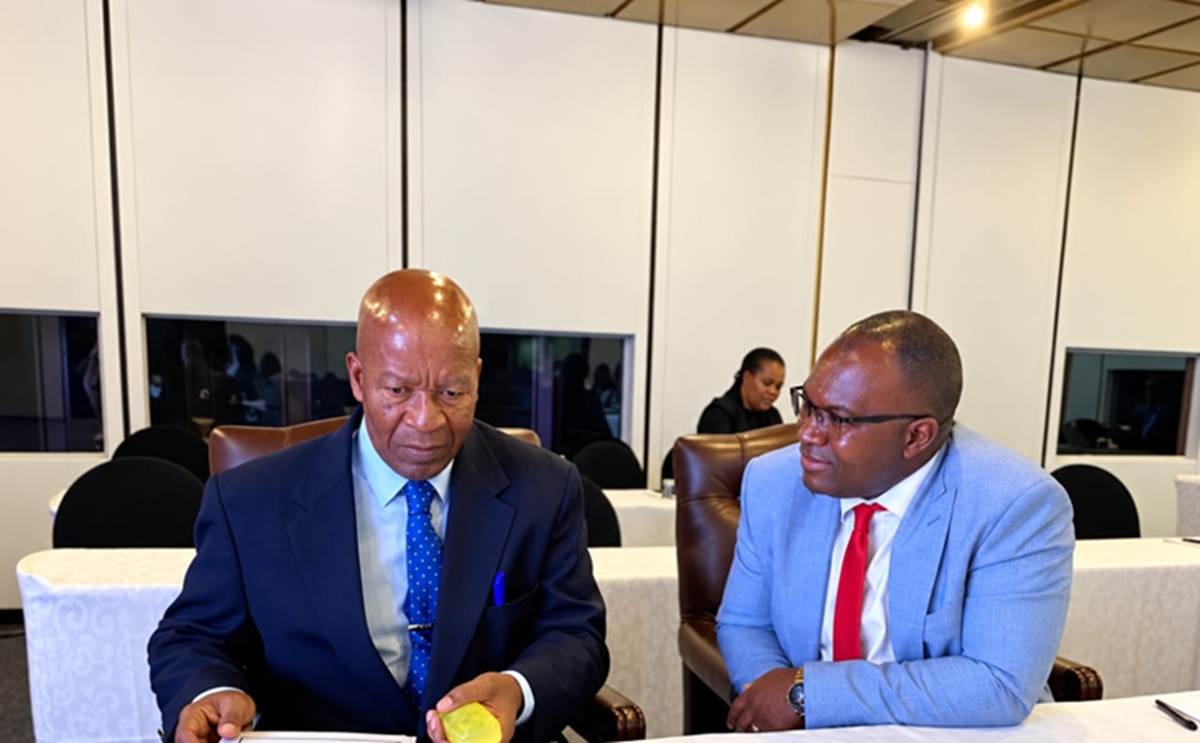
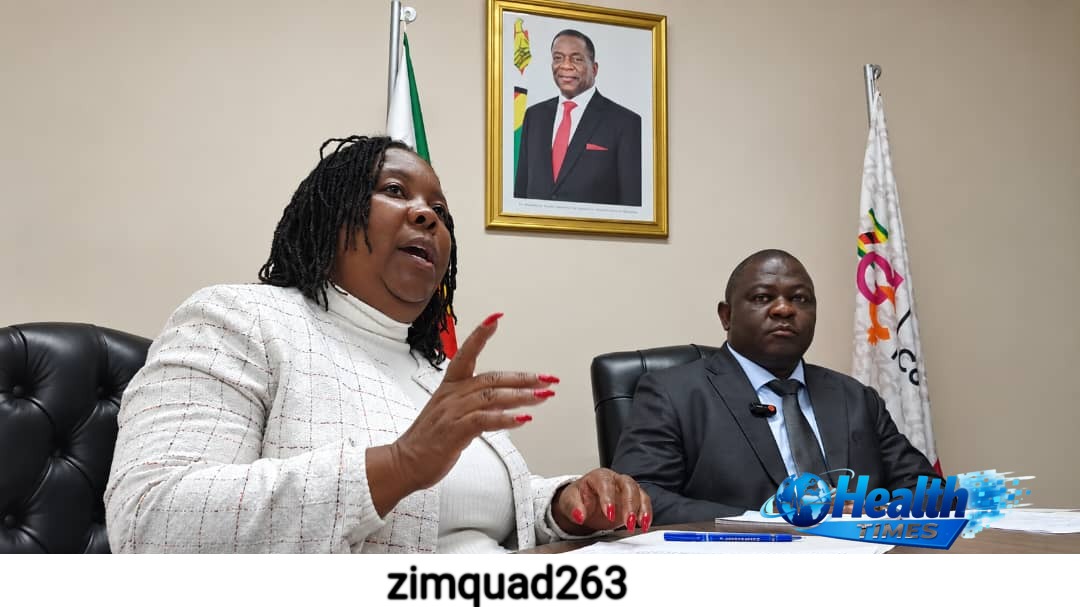
Speaking during the handover ceremony, WHO Regional Director for Africa Dr Mohamed Yakub Janabi said the donation responds directly to priorities identified by the Government of Zimbabwe.
“The countries tell us their priorities and your ministry presented that one of the challenges which face the rest of our developing countries in Africa in particular is cervical cancer. We listened to it and we aligned, and our contribution is the equipment you see in front of you.
“This is a complete set for cervical cancer, from ultrasound machines and biopsy equipment to laboratory equipment. It is all meant to enhance your fight against cervical cancer for Zimbabwean women,” he said.
Dr Janabi stressed that early detection remains the key to defeating cervical cancer and urged women to take advantage of available screening services.
“What we encourage, just as your ministry is doing, is for women to come forward for screening. We are simply complementing Government efforts by providing this equipment to strengthen the fight against cervical cancer. No one is supposed to die of cervical cancer in the 21st century,” he said.
Health and Child Care Minister Dr Douglas Mombeshora welcomed the donation, saying the equipment would improve cancer screening, diagnosis and treatment, particularly in underserved areas.
“We have received a lot of different pieces of equipment that will help us in terms of cancer screening, cancer diagnosis and cancer management.
“There are various types of equipment, including laboratory equipment used for collecting specimens for testing, biopsy equipment and devices for the early treatment of cervical lesions in the management of cancer.
“As you know, we have a programme that is going on. First Lady Dr Auxillia Mnangagwa is the champion and patron of the programme to eliminate cervical cancer in Zimbabwe.
“This equipment is going to go a long way in helping us achieve that goal. We have also received ultrasound machines, which will be deployed to rural district hospitals so that we bring services closer to the people and make them more accessible,” he said.