
By Kuda Pembere
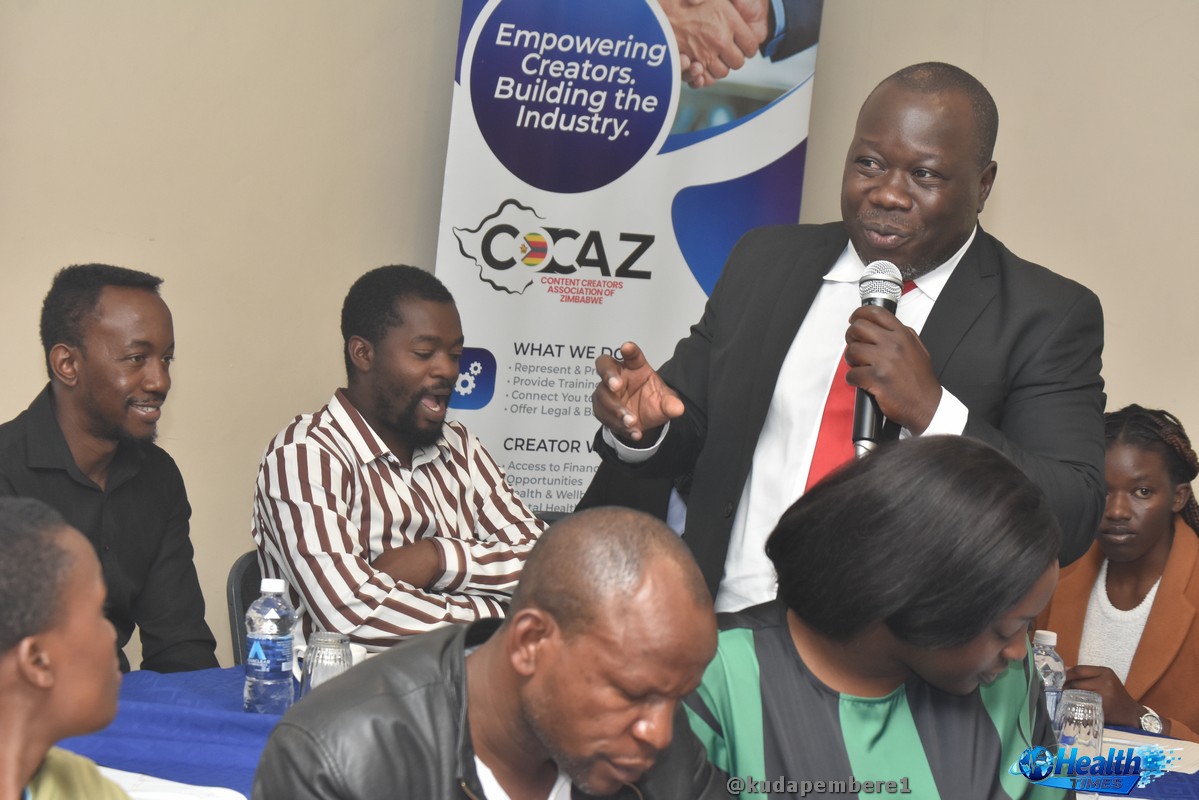
The Medicines Control Authority of Zimbabwe (MCAZ) has engaged social media content creators to help curb the illegal advertising of medicines, warning that influencers increasingly shape public health decisions.
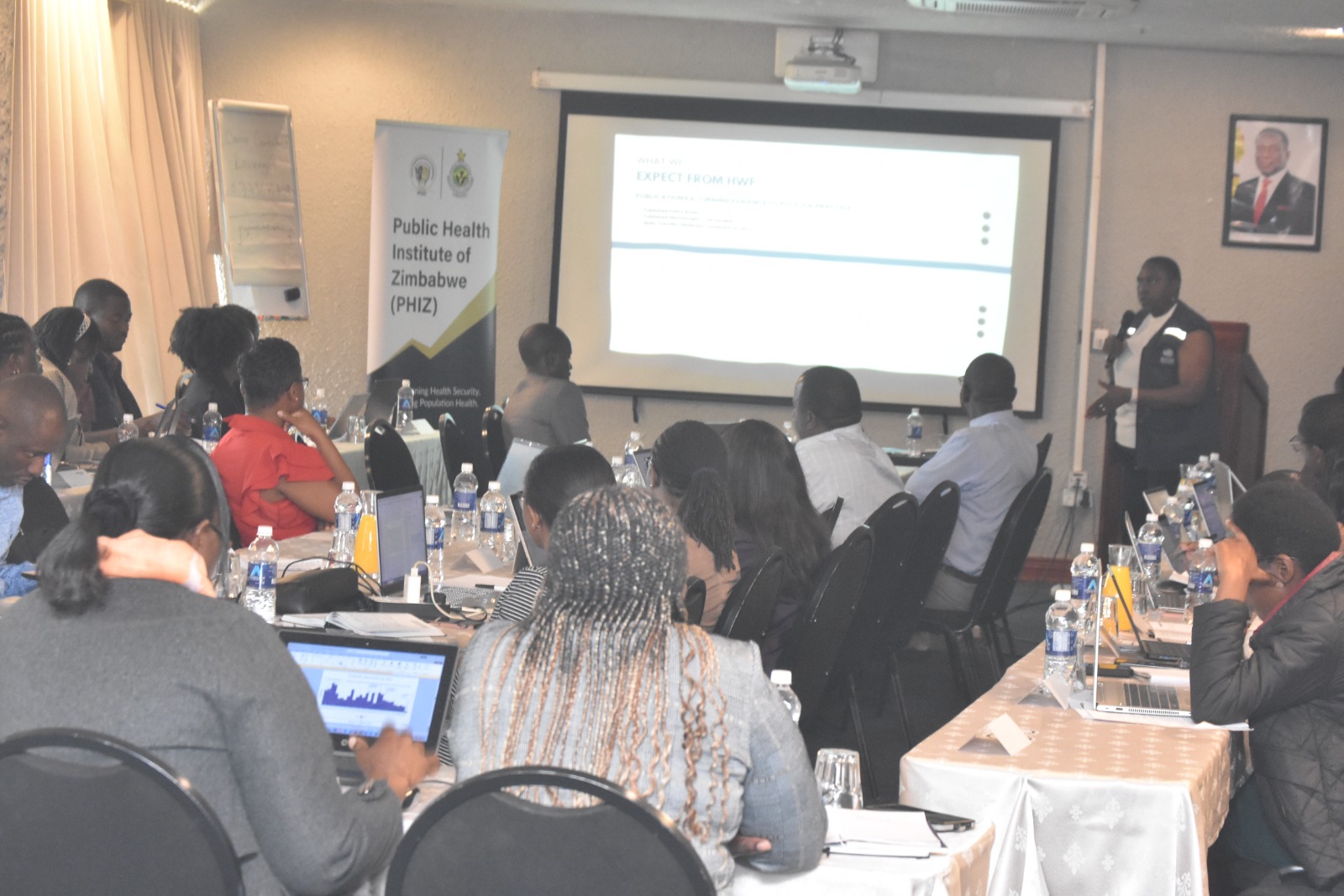
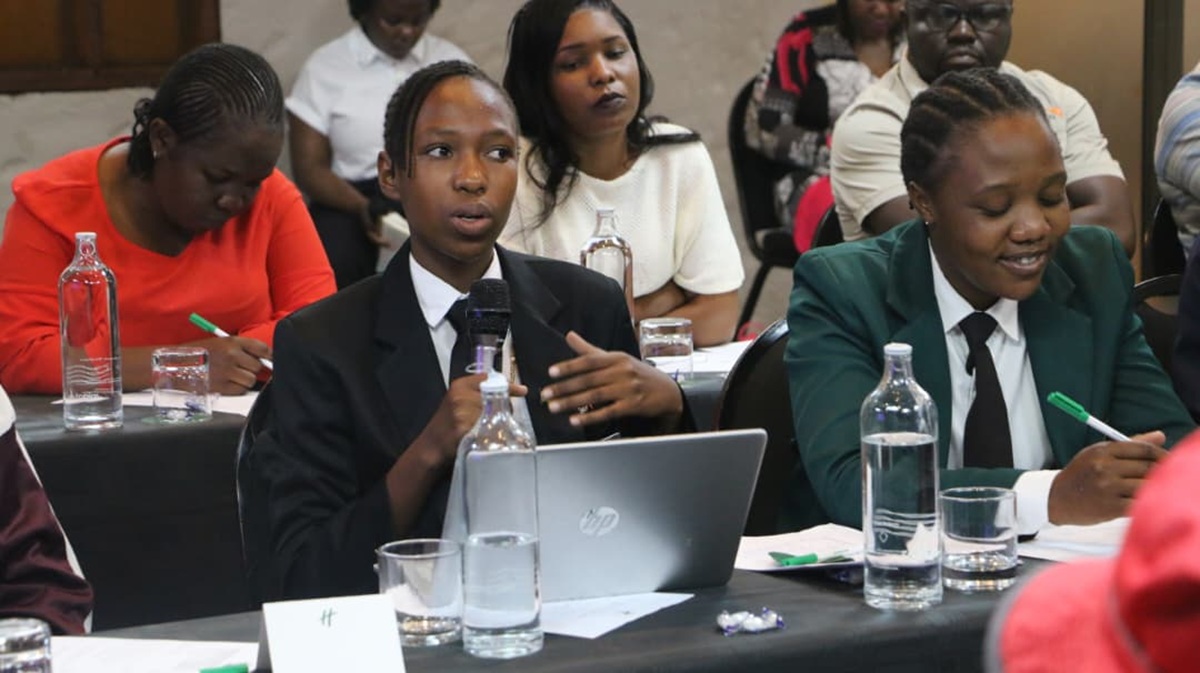
The awareness meeting, held on Wednesday, brought together creators from Facebook, X, TikTok, Instagram and YouTube amid growing concern over the promotion of unregistered and illegally advertised medical products on social media.
Speaking after the meeting, MCAZ Public Relations Manager Davidson Kaiyo said the regulator had realised that many influencers, celebrities and bloggers were unaware of the laws governing the advertisement of medicines.
“As MCAZ, we have seen the illegal advertisement of medicines on social media, mostly through social media influencers, celebrities and bloggers.
“We realised these individuals now have a strong voice in health communication because they influence where people buy medicines, what medicines they use and even how they use them. However, many are not aware of the laws governing the advertisement of medicines,” he said.
Kaiyo said the Medicines and Allied Substances Control Act regulates the advertising of medicines, adding that several companies had already faced arrest and prosecution for using social media personalities to promote medical products unlawfully.
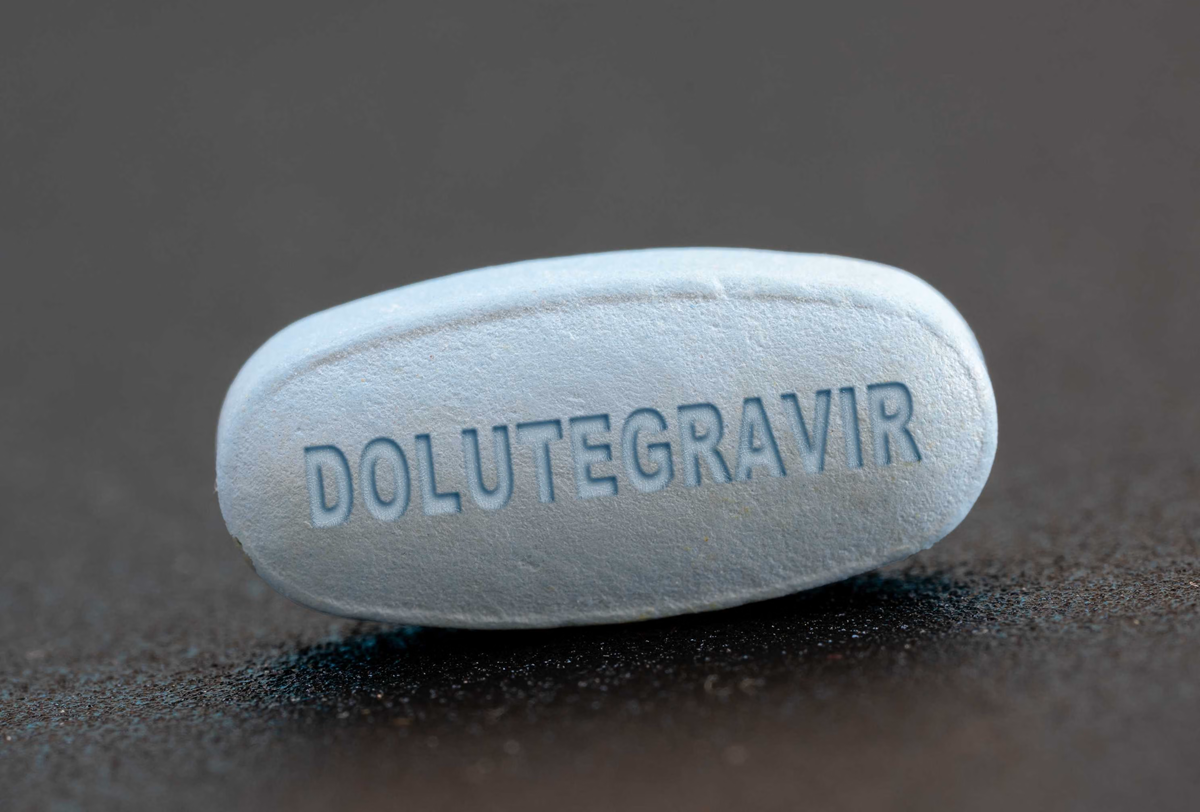
Under the Act, advertisements for medicines must be approved by MCAZ before publication. The regulator also prohibits the promotion of unregistered medicines and restricts the public advertising of certain categories of medicines.
Rather than pursuing legal action against content creators, MCAZ opted to engage them first.
“We realised that instead of going after them for arrest and prosecution, it was better to engage them first so they understand what is lawful and what is not. We believe this engagement will contribute significantly to protecting public health,” he said.
Kaiyo said the regulator also wanted to raise awareness about the dangers of misleading health claims and the importance of verifying that medical products had been approved before agreeing to promote them.
President of the Content Creators Association of Zimbabwe (CoCAZ), Takunda “Nex” Tapfuma, welcomed the engagement, saying many content creators had unknowingly advertised illegal medicines.
“This engagement has been very important because many of us were advertising products without knowing some of them were illegal. We now understand what to look out for before promoting medical products.
“When we talk about medicines, we are talking about public health. People trust our voices and may believe our recommendations. We have also been shown the proper channels to verify whether a product has been approved by MCAZ before advertising it,” he said.
Content creator Wessy Issa admitted he had previously promoted a medical product that was later found to be illegal, saying he had been unaware of the regulatory requirements.
“I didn’t have any knowledge about this. Going forward, I will first verify whether a product has been approved by MCAZ before agreeing to advertise it so that I protect the public and comply with the law,” he said.
Brand influencer Lorraine Guyo said the engagement had helped many content creators better understand their responsibilities when promoting health products.
“I am happy with this engagement because we would have continued doing business as usual, thinking we could advertise anything. Today, MCAZ explained that some medicines cannot be advertised and also outlined the legal consequences of breaking the law.
“I also think there is a need for greater awareness through social media, radio and television because not every content creator attended this meeting. More people need to understand that illegally marketed medicines sold online can have serious consequences for public health,” she said.