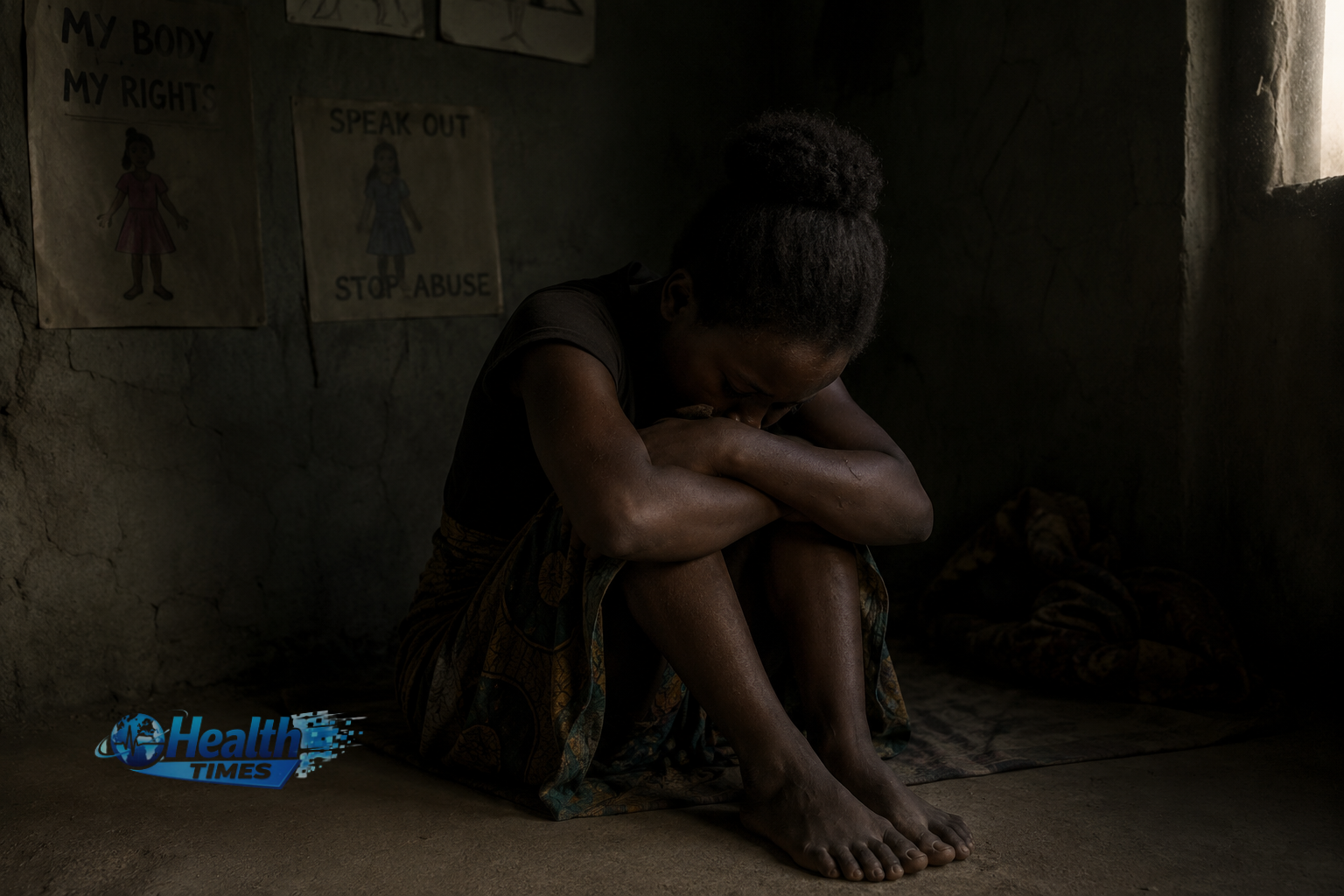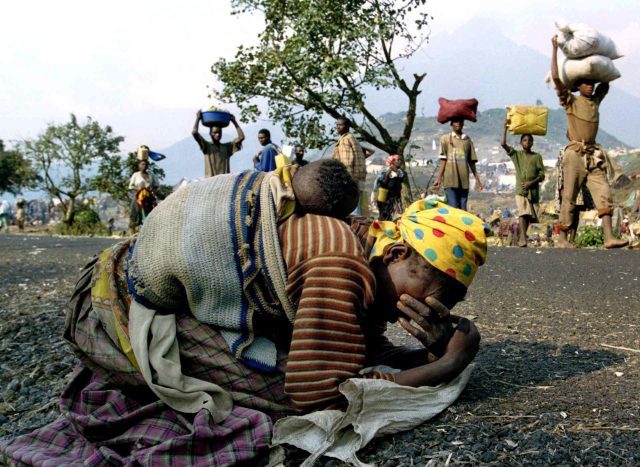
HAD it not been for the civil war in the Democratic Republic of Congo, Eunice, (not her real name) could have been completing her university studies this year.
By Melody Chikono
Fate has somehow found her stuck deep in Tongogara refugee camp in Chipinge where she has not been able to continue with her studies and bright future aspirations are fading by the day. The war has left untold spiritual and physical wounds which can physically be felt as she narrates her ordeal.
The difficulties she experienced on her journey from DRC to Zimbabwe left her a broken soul. Eunice could have withstood all the turmoil and torture in transit but what hurts her most is the brutal and life-threatening rape she
experienced on her way to Zimbabwe.
While Zimbabweans have taken rape issues seriously, with emergency treatment being given to victims within 72 hours, Eunice said there is no such “luxury” for refugees in transit. She believes if she had received that assistance she would not have contracted HIV. She would also have had more dignified treatment.
“It is quite unfortunate that there is instability in my country but should this translate in undignified treatment for those running away like myself. Do I not have my own rights which should be observed,” quipped Eunice as she narrated her sad story recently.

Eunice’s case is similar to those of thousands of women who are running away from their home countries to unknown destinations.
They have had to endure rape, torture and even murder but no one is held accountable. With growing numbers of refugees from surrounding countries seeking safety in Zimbabwe, the local system has not been capacitated to
effectively handle these cases.
The UN refugee agency is on record saying it is concerned about severe difficulties these displaced people face during their passage, including the risk of drowning at sea and also incidents such as rape and other dangers they are exposed to.
[pullquote]As she narrates her ordeal Eunice said ,“My parents died and our house was burnt down. The only reason I survived was because I was at school. I walked aimlessly without any idea of where I was going, a friend told me about trucks that ferried people to neighbouring countries. It was not an easy journey. My friend died trying to save herself from rapists. There is no one to watch over you while in transit,” she said.[/pullquote]
Indications are that women have been mostly affected by these movements. The worst part being there is no one to take the responsibility of the people in transit.

Zimbabwe is home to more than 10 000 refugees from various countries in Africa with known statistics indicating that Tongogara camp in Chipinge has about 10 000 refugees and this number has been increasing, with 6 000 more coming in as a result of the turmoil in Mozambique.
UNHCR spokesperson Andrej Mahecic in his remarks on refugees in Geneva last month said refugees and asylum-seekers were escaping inter-ethnic clashes, as well as fighting between Congolese security forces and militia groups and those, especially arriving in Zambia, report extreme brutality, with civilians being killed, women raped,
property looted and houses set alight.
“They are mainly from the DRC provinces of Haut-Katanga and Tanganyika.Many were already displaced internally before they crossed the border. The lack of roads and the long distances at the areas from where they are fleeing make it difficult to monitor the situation and provide them with assistance. With the rainy season approaching, UNHCR warns that the humanitarian needs of those displaced could intensify on both sides of the border,” he said.
Mahecic said approximately 60 per cent of those making it are children, indicating the difficulties being encountered by the older people in transit. One refugee ( Augustine) who has since left the Tongogara camp and is now living in Harare to pursue other options, concurred with Eunice’s sentiments saying that he had actually lost a sister who went through trauma after experiencing multiple rape.
“ My sister left earlier than me, my wife and children, but we were lucky to find her remains. According to witnesses she killed herself after being raped by a gang of unknown men. She just couldn’t take it. On my journey I was lucky that I had money on me which made my journey easier and I was even able to protect my children and wife .
“However, the sad thing is that on the journey to this country I witnessed our fellow country women being raped, killed and sometimes drowning in rivers as they ran away from their pursuers,” he said.
After having heard all these ordeals it leaves one to wonder if governments can come up with ways to assist those in transit to safely reach their destinations. Despite all these persecutions it is clear that Zimbabwe remains a favorable destination for the refugees.
The former Minister of Public Service Prisca Mupfumira said it was government’s responsibility to take care of the refugees when they arrive in the country. She, however, dismissed claims that the refugees were draining the government’s fiscus saying it was the government’s responsibility to take care of those people.
“You are aware that we have refugees in Tongogara camp and the government is taking care of them together with UNHCR . They have health facilities, education and everything because we are signatory to the UN on the issue of refugees. I don’t know about them draining the fiscus.”
While she would not comment on the conditions of refuges in transit, Mupfumira said government was taking good care of the refugees as there are schools and all necessary facilities. However she said although some people had no proper documentation, for example children without birth certificates, it was only because they had not reached their citizen attainment stage.
“It is a process and we have to know whether some of them are genuine asylum seekers or not. There are schools here being funded by government.” she said,
Augustine complimented the government for its efforts to provide shelter and other basic needs to refugees.
“We lived well. Everything is for free at the camps. I left because I had other things to pursue but the government was taking good care of us,”
While refugees from the DRC allude to the fact that it is very difficult to get into Zambia, they establish that Mozambique is also in turmoil hence they end up coming to Zimbabwe because it is a peaceful country