By Kuda Pembere
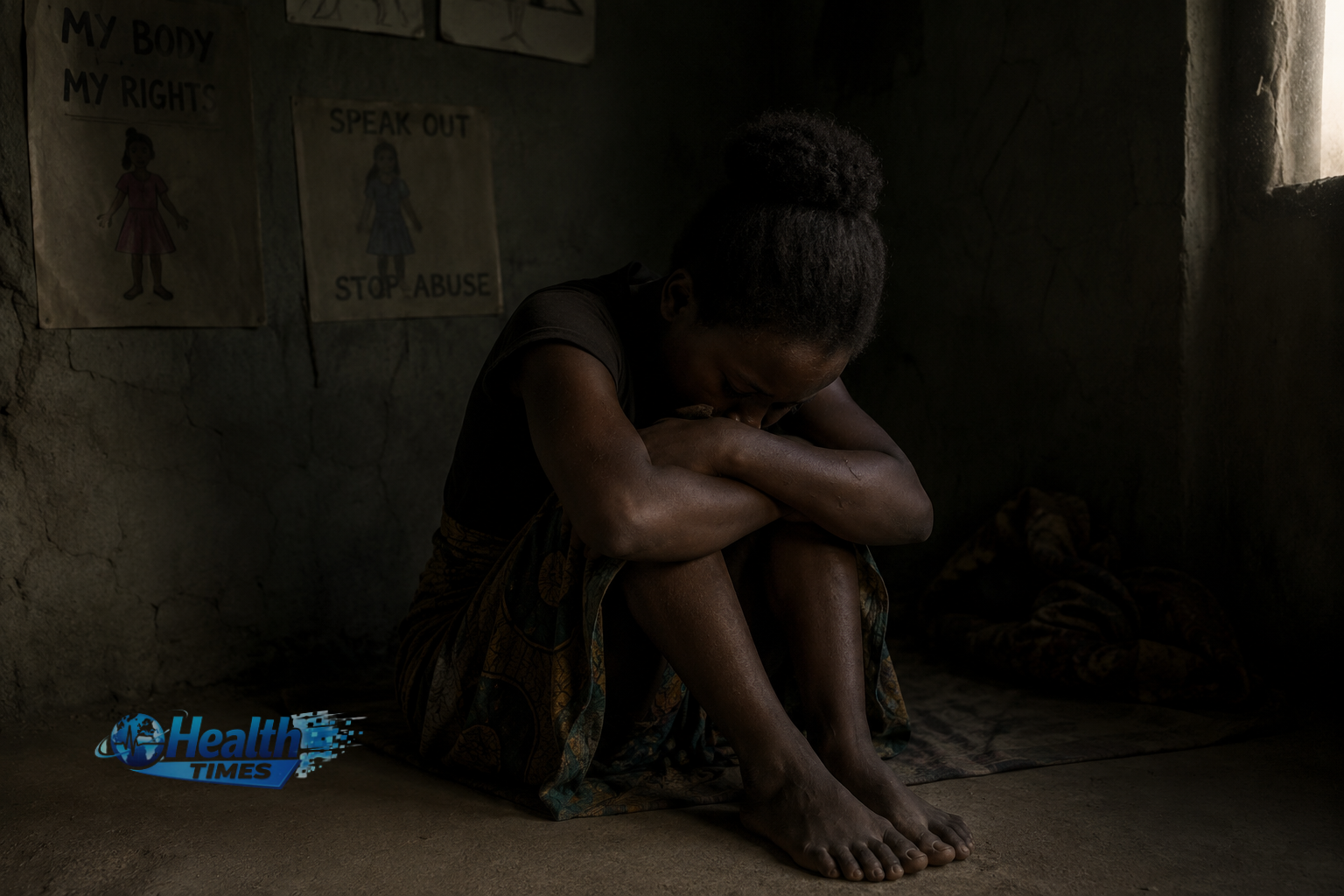
The Women Action Group (WAG), an organization championing the rights of women and adolescents has ended its four-month campaign amidst calls by a cabinet minister to continue the fight against gender-based violence, while at the same time rallying for sexual reproductive health rights to mitigate child marriages and teenage marriages.
Women Affairs, Community, Small and Medium Enterprises Development Minister Senator Monica Mutsvangwa in a speech read on her behalf by the Ministry’s Permanent Secretary Dr Mavis Sibanda said these ills against women, young women and adolescent girls need to dealt sooner than later.
Ladies and gentlemen. Three can never be a better time to come together in solidarity for collective action against GBV than now. There can never be a better time to promote sexual reproductive health and rights in order to address child marriages, teenage pregnancies, drug and substance abuse, new STI and HIV infections among young people,” Minister Mutsvangwa said.
She commended WAG for spearheading women economic empowerment, access to health, participation in leadership and women’s legal rights.
“Your work has motivated other upcoming women’s organization to follow suit and ensure that we empower as many women as we can. I salute you for your resilience, even in a challenging environment you have remained focused on your goal,” Minister Mutsvagwa.
“As we celebrate these achievements, we remain alive to the challenges that still lie ahead and the work that needs to be accomplished. Let me point out that government has established an enabling environment for organizations to complement its efforts of achieving gender equality and the empowerment of all women and girls.”
Minister Mutsvangwa noted that this Friday, they will be launching the National GBV strategy.
“Government has put in place several policies and legal frameworks which include the National Gender Policy, National GBV Strategy to be launched at the end of this week, the Climate Change Gender Action Plan, Domestic Violence Act, and the Marriages Act. These policies will go a long way in ensuring that there is smooth flow of programmes towards promoting gender equality,” she said.
WAG executive director Ms Ednah Masiyiwa said they have embraced also technology to increase awareness on GBV and SRHR issues.
“The third decade of work was characterized by a deterioration in the social services sector. This was made worse by the decline in the economic sector. Health services, for example, were out of reach for an ordinary woman, and it continues to be so today. WAG stepped up its advocacy, which resulted in discrediting all of the use of fees for maternity care services. For that, we really appreciate our government for putting that in place.
“In the fourth decade, work continued to stand as a leader in the area of sexual and reproductive health and rights and the broad women’s rights in Zimbabwe. The decade was also characterized by natural disasters in life and public health disasters such as the COVID-19 pandemic. Work has played an important role in mainstreaming gender in emergencies.
“The period has also presented the fast-growing use of technology. Discussion around technology which has led to the emerging new form of violence, the online violence. WAG has embraced technology and has been using technology to raise awareness on gender-based violence and sexual and productive health advice,” she said.
WAG Programs Officer Fiona Tinarwo said as part of commemoration for the four decades of existence, they have been using social media platforms to honor some 40 women they have been working with since inception in 1983.
“All right, so as a result we launched our four-month long 40th anniversary celebration, which kicked off around June, starting off with the media press conference, just talking about the work journey and officially launching the 40th anniversary celebration.
“So for the past four or five months we have been doing lots of work including acknowledging 40 women through our Twitter handles and social media platforms talking about their contribution into the movement. So using social media to amplify the work that they had contributed into as women.
“And also recognizing the work that continues to be done even by the young women who are taking over the space in the feminist movement and really positioning them through capacity strengthening on how they can actually take the movement forward.
“And we have also been doing awareness raising and in every event that we have been doing as WAG and every project we have also been talking about our 40th anniversary, looking back at the journey and yeah, just acknowledging the efforts and the gains made so far and not forgetting the collaborations, the partnerships that we will continue to strengthen with other partners even as we were celebrating this event,” she said.
“But we are not ending there, we still have feminist self-cassation, we still have intergenerational dialogues where we are hoping to engage the old, the young feminists, including the donor community as well, to just have a dialogue on funding for the movement, the challenges, and where we can take the movement forward with their support through funding.”