By Kuda Pembere
The Livestock Production Systems in Zimbabwe (LIP-ZIM) initiative has come to a halt having benefited 15 000 farmers in six Zimbabwean districts.
The initiative funded by the European Union started in 2020 looking Mutoko, Buhera, Chiredzi, Beitbridge, Gwanda, Nkayi, Gokwe North, NyamiNyami.
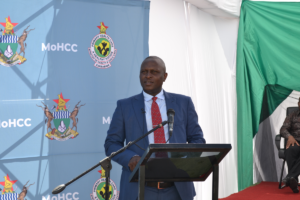
Officiating the close-out ceremony on Wednesday, Ministry of Lands, Agriculture, Water, Fisheries and Rural Development permanent secretary Obert Jiri said the country managed to implement sustainable production systems while empowering farmers with requisite skills and resources needed in a ever-changing agricultural landscape.
This occasion of course calls for both celebration of progress and is also a testament to the power of collaboration and commitment to improving the livelihoods of our smallholder farmers, particularly those in natural regions, four and five, which are very dry.
“When we embarked on this project, our primary aim was to enhance livestock production through adoption of climate smart innovations, improve surveillance and control of livestock diseases and of course to uplift the livelihoods of farmers in Zimbabwe,” he said.
“Ever since its inception in 2020, this transformative project has achieved remarkable milestones in enhancing the growth and sustainability of our livestock sector.”
He said 15 000 farmers benefited in six target districts from the project.
“Number one, adoption of climate smart technologies. Over 15,000 farmers in six target districts have adopted innovative animal nutrition technologies.
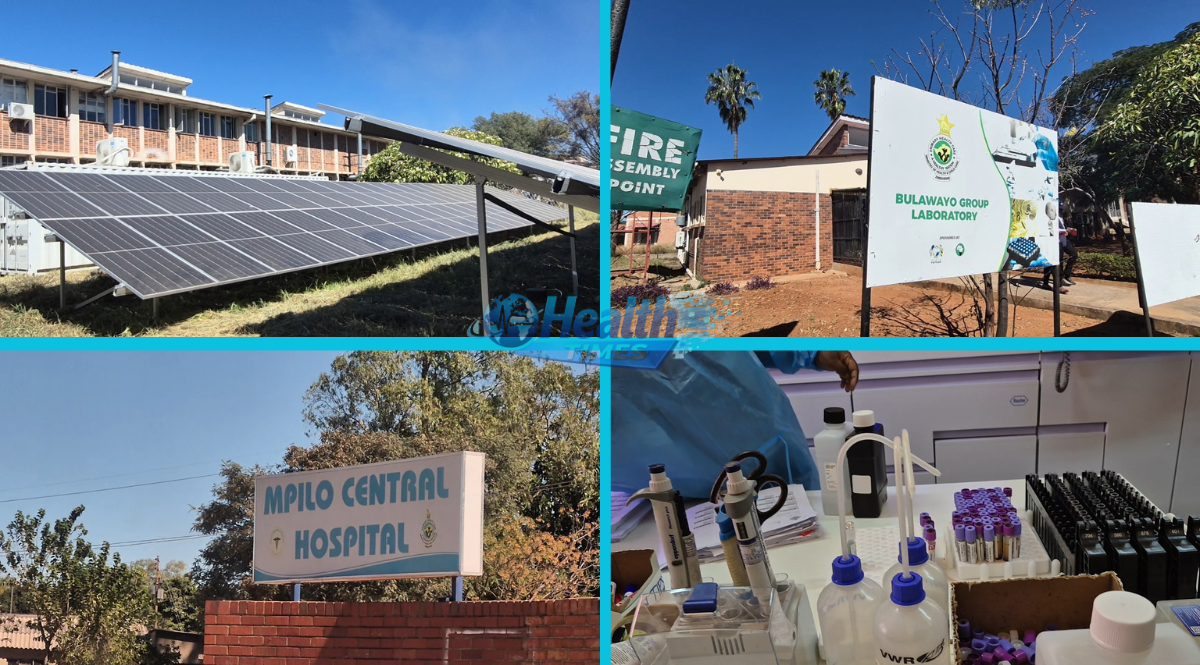
“Number two, the development of livestock diets. This project registered six diets for cattle and goats through joint efforts with support from the Department of Research, Innovation and Specialist Services,” Jiri said. “Number three, we also renovated and equipped the Masvingo Vet Laboratory, the Tsetse Laboratory and established the Matebeleland South Laboratory.The Gwanda Vet Laboratories were also established at a cost of 90,000 euros and now they have improved diagnostics and tick-borne disease diagnostics for both Masvingo and the Matebeleland South provinces.”
The Agriculture Ministry permanent secretary added that collaborations played a pivotal role in achieving this feat which improved the livelihoods of livestock farmers.
Mr Franck Porte the EU Head of Cooperation said commended livestock farmers in their openness to innovation which eventually helped them in coming up with improved animal nutrition.
“This was no small task. This project brought together a powerhouse of expertise, from renowned institutions like ILRI, SIRAD, CIMIT and the University of Zimbabwe, to the dedicated teams of the Department of Veterinary Services and the Department of Research and Specialist Services, DR and SS. And of course, we cannot forget the beating heart of this project, the farmers themselves.
“It is important to highlight that this project has been highly complementary to the EU-funded ZAGP, Zimbabwe Agricultural Growth Programme, a key programme that aims at strengthening livestock value chains and improving the livelihoods of smallholder farmers across the country, and that just ended last year. Both initiatives share the vision of addressing challenges of Zimbabwe’s livestock sector.
The LIPS-ZIM coordinator Professor Sikhalazo Dube said there was increased adoption of climate-smart animal nutrition technologies, construction and promotion of water-saving technologies, construction and rehabilitation of veterinary labs, decentralizing some of the surveillance and disease control, bringing it closer to the provinces.
“Improved natural rangelands. We worked with FAO and some of the overlanding districts to try and get rent management practices and also strategies in some of the areas we work in. We improved market infrastructure.
“I saw the people from Kayi here, they can attest to that. Safe money has been improved, and also in Gwanda, and these are the market centers that have the highest numbers of sales, and we’ve now improved those in the sense of sprucing the infrastructure, but also bringing the scaling as part of the initiative to bring objectivity in the marketing discourse. We’ve also built the capacity of veterinary staff, agronomists, feed and forage research staff, at MSC and PhD levels,” he said.
He added that mulk production improved from 300ml of milk a day to 2 Litres of milk.