By Michael Gwarisa
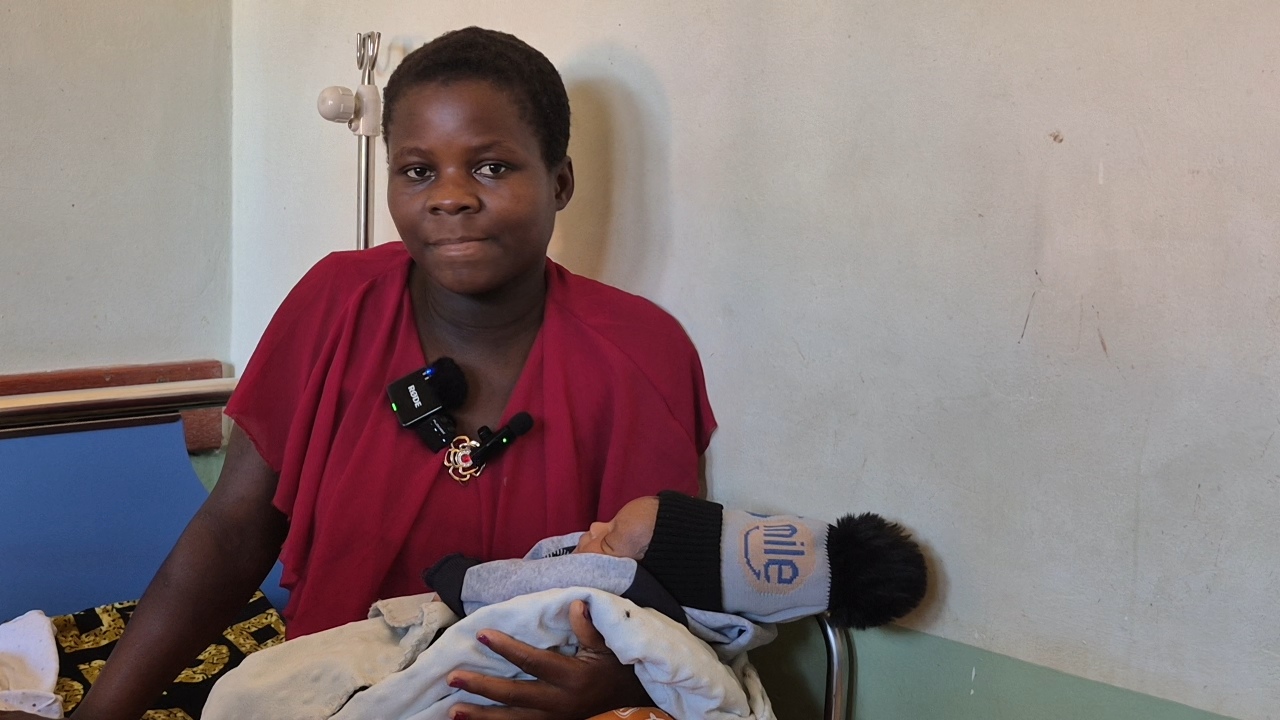
Families who live with the anguish of missing loved ones are gathering in Zimbabwe this week for the 4th International Conference for Families of Missing Persons. The event, taking place from 11 to 13 November 2025, will feature participation from Zimbabwean families supported by the Zimbabwe Red Cross Society’s Restoring Family Links programme.
The conference is hosted in a hybrid format by the International Committee of the Red Cross in collaboration with Red Cross and Red Crescent National Societies, including the Zimbabwe Red Cross Society. It provides a global platform for families, practitioners, and policymakers to share experiences, advocate for stronger support, and discuss coping strategies for disappearances caused by conflict, migration, and violence.
This year’s event, the only global forum of its kind, will bring together over 900 participants from more than 50 countries, both online and in person. Discussions will focus on solidarity, visibility, advocacy, and addressing the long-term needs of families affected by disappearances. Live multilingual interpretation is being provided from the ICRC Humanitarium studio in Geneva.
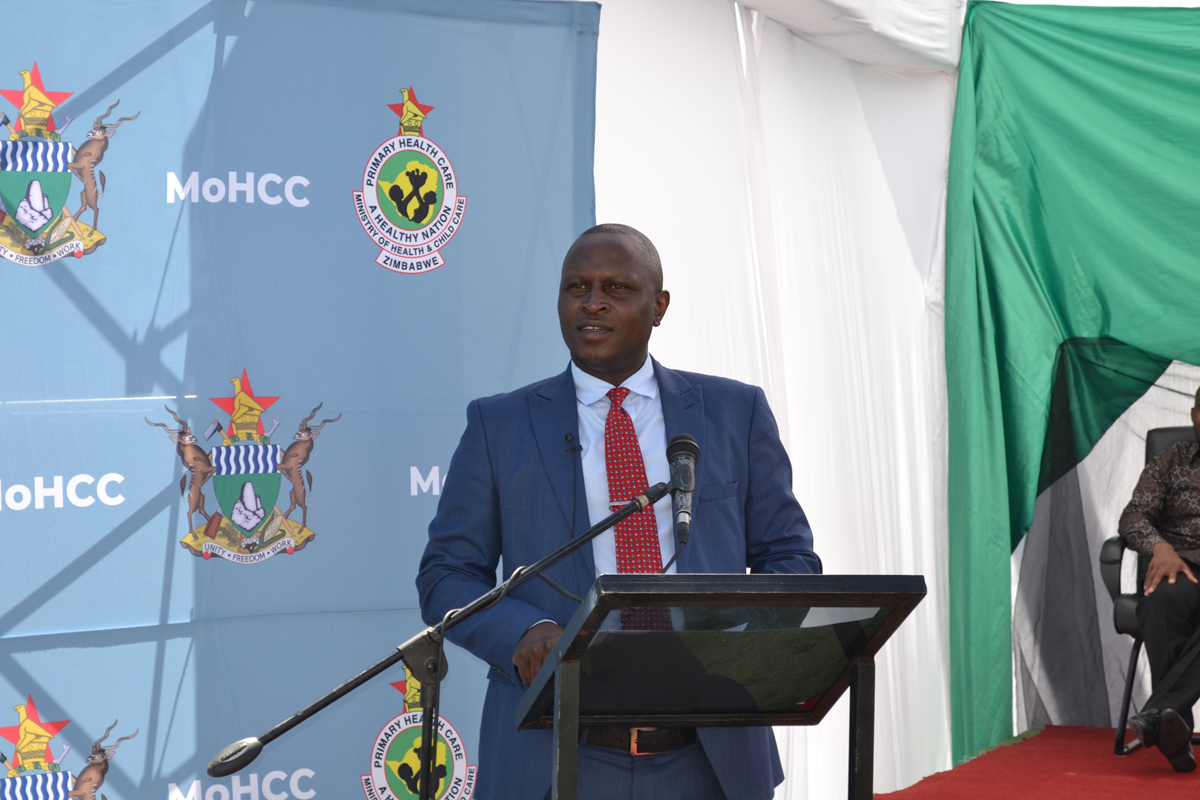
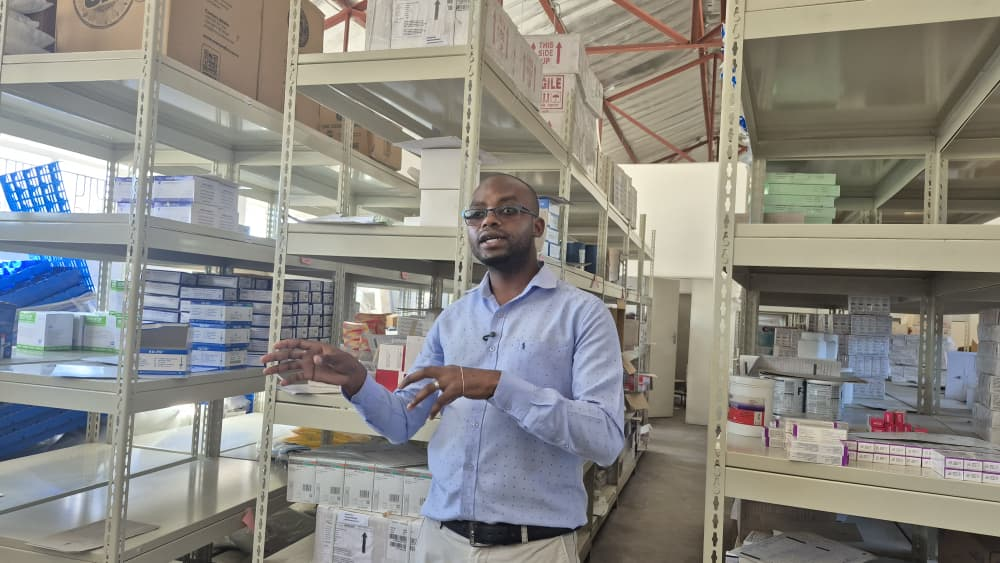
Officially opening the conference in Zimbabwe, ZRCS Secretary General Elias Hwenga reaffirmed the organisation’s commitment to restoring family links.
We remain committed to doing everything in our power to help restore family links, bring answers where possible, and ensure that the rights and needs of affected families are not forgotten,” Hwenga said.
“I encourage you to take part openly in the discussions ahead, to share, to listen, and to take comfort in knowing that your stories matter. You are the heart of this conference.”
Cristian Rivier, Head of the ICRC’s Central Tracing Agency, emphasised the humanitarian importance of addressing family needs.
“Meeting their long-term needs—whether legal, administrative, economic, or psychosocial—is not only a humanitarian imperative but also key to peace and reconciliation,” he said. “Behind every missing person is a family living in uncertainty and pain.”
By the end of 2024, more than 284,000 people were registered as missing with the Family Links Network, a figure representing only a fraction of the global total. Families face stigma, financial hardship, and legal challenges, in addition to the profound psychological impact of uncertainty.
For the first time, the conference’s opening sessions are accessible to a wider audience, while maintaining the safety and confidentiality of participants. The ICRC emphasises that disappearances are preventable, and under international law, states and parties to conflicts have the primary responsibility to prevent disappearances, clarify the fate of missing persons, and support their families.
Caroline Douilliez, Head of the CTA Advisory Centre, said lessons from Colombia, the Balkans, and other regions show the importance of placing families at the centre of efforts to address missing persons.
“Authorities must listen to them, prevent further disappearances, and provide answers. This is a collective responsibility,” she said.