By Michael Gwarisa
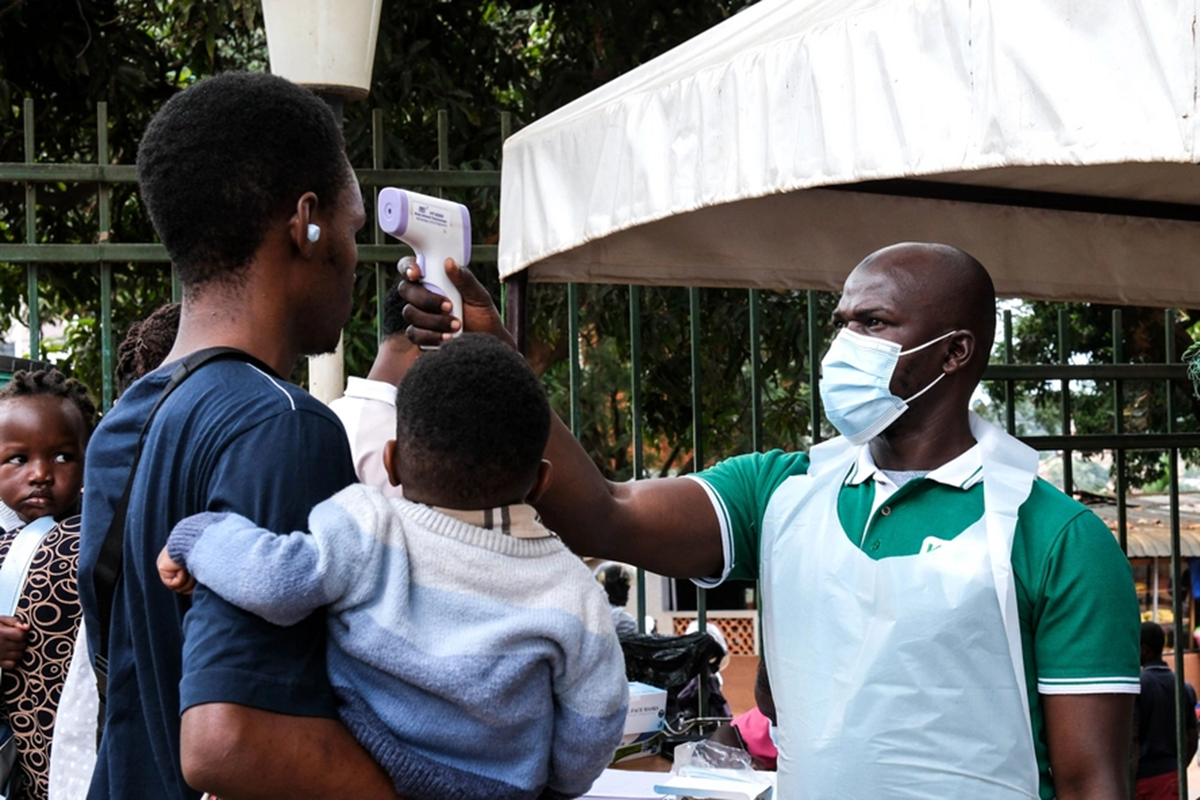
Data from the 2025 Global Tuberculosis Report shows that Zimbabwe has made steady progress towards ending TB as a public health threat.
According to the report, Zimbabwe’s TB incidence declined to 203 per 100,000, a 3.8 percent reduction from 2023 among other milestones.
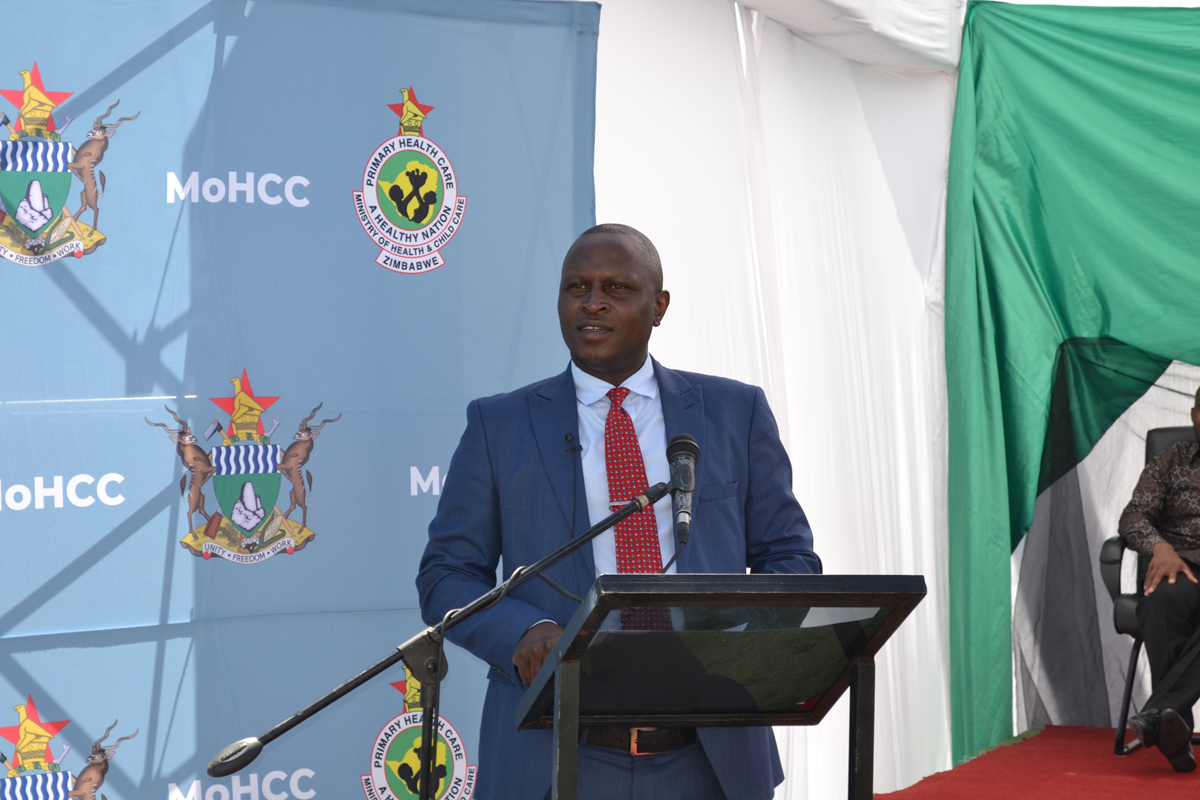
Commenting on the 2025 findings, Dr Fungayi Kavenga, the Ministry of Health and Child Care Director for TB services, welcomed the gains but warned that the battle to end the disease was still ongoing.
Zimbabwe is making steady progress towards ending TB. The Global TB Report 2025 is out, and I am proud to share Zimbabwe’s continued progress in the fight against TB. Treatment success for new and relapse TB cases improved to 91 percent, up from 89 percent in 2023, while treatment success for RR and MDR TB cases also improved, rising from 64 percent in the 2021 cohort to 68 percent in the 2022 cohort. The TB and HIV co-infection rate also dropped to 49 percent, down from 51 percent,” said Dr Kavenga.
He added that the country had achieved universal access to rapid diagnostics at the time of diagnosis as well as universal access to rifampicin susceptibility testing for all bacteriologically confirmed pulmonary TB cases.
However, Zimbabwe remains one of the countries heavily reliant on international donor funding for TB services, with a significant share of support coming from bilateral partners and the Global Fund. This dependence leaves the country exposed to potential funding cuts that could reverse recent gains. Countries with stronger domestic financing and more resilient health systems have been able to maintain or accelerate progress in TB control.
While these achievements are encouraging, the shifting global funding landscape requires us to work harder than ever to safeguard and build on these gains,” he said.
Zimbabwe is still classified as a high TB burden country, with an estimated incidence rate of 100 to 299 cases per 100,000 population in 2024.
Although Zimbabwe has made notable progress in reducing TB incidence and mortality since 2015, it has not yet reached the 2025 End TB Strategy milestone. The country’s TB burden is worsened by a high prevalence among people living with HIV, reflecting broader trends across southern Africa.
Despite being preventable and usually curable, more than 10 million people worldwide continue to fall ill with TB every year, and more than 1 million die annually. TB remains the world’s leading cause of death from a single infectious agent and is among the top 10 causes of death globally.