By Kuda Pembere
On November 27, Finance Minister Professor Mthuli Ncube will unveil the 2026 National Budget, promising a sizeable increase in funding for health services, HealthTimes has learned. After years of missing the Abuja Declaration target of 15 percent, the Treasury chief, after a Post Cabinet Media Briefing stated there will be a “quantum” increase.
“Yes, look, the health sector budget will go up every year, the quantum will go up for sure, but as a percentage of the overall budget, we will try to stick to the Abuja targets of 15 percent of the overall budget, so again you should expect me to meet that target in the next budget,” he said. “But the quantum will be higher, because the budget is actually higher going into next year, so there will be more available resources for spending for sure, but again we will meet the international requirements in terms of benchmarks.”
This may raise hopes within the health sector despite past allocations that were well below the 15 percent benchmark. In the 2025 National Budget Presentation, Finance, Economic Development and Investment Promotion Minister Mthuli Ncube allocated 10.2 percent of the national budget to the Ministry of Health and Child Care. This fell significantly short of the Abuja Declaration target, which calls on African nations to dedicate at least 15 percent of their budgets to healthcare. Zimbabwe’s health sector budget for 2024 was ZWL$6.3 trillion, representing 10.8 percent of the national budget, a decline from the 11.2 percent allocated in 2023.
NDS 2 and Health
The 2026 National Budget marks the first annual fiscal plan for implementing the National Development Strategy 2 (NDS2), which is set to be launched by President Emmerson Mnangagwa next week. Prof Ncube said health and wellbeing are key components of NDS2.
“There is a component of health which speaks to well-being, and well-being really is broadly a health matter. So, health is firmly in the NDS2, it is well articulated, and various strategies will be applied to make sure that we achieve better health outcomes, we improve on the current health outcomes,” he said. “This starts with investment in infrastructure, making sure that we have adequate hospital infrastructure out there in our urban areas, in our rural areas for our citizens. So, we continue that investment and the strategy articulates that very well.”
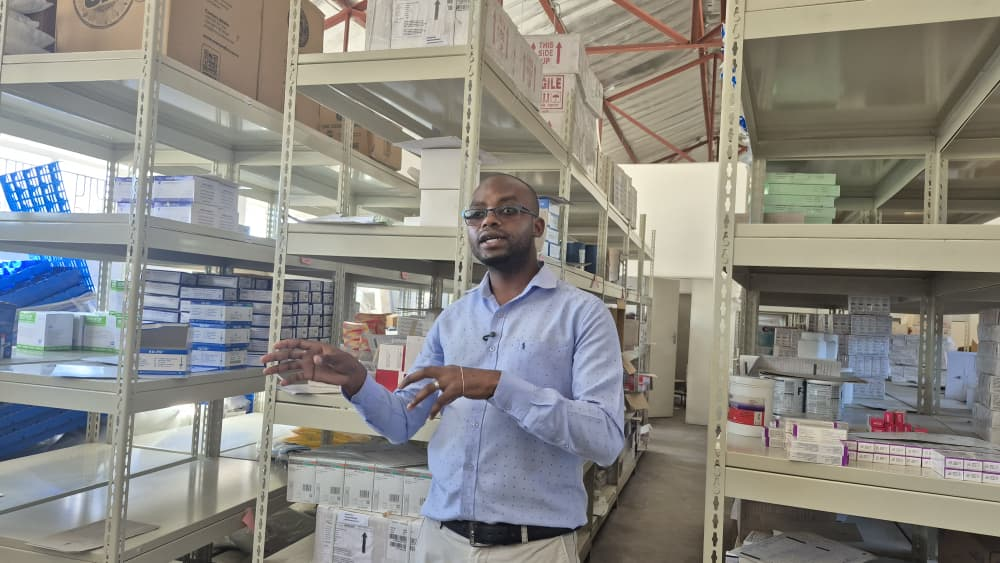
He added that the plan will also address the availability of medicines.
“That again we seek to enhance the acquisition of medicines and drugs to make sure that our citizens are able to access these, that is for those who are depending obviously on government hospitals, but for those who have private access to health, there is never a problem there in that case,” the Finance Minister said.
He highlighted the renovations currently underway across major hospitals.
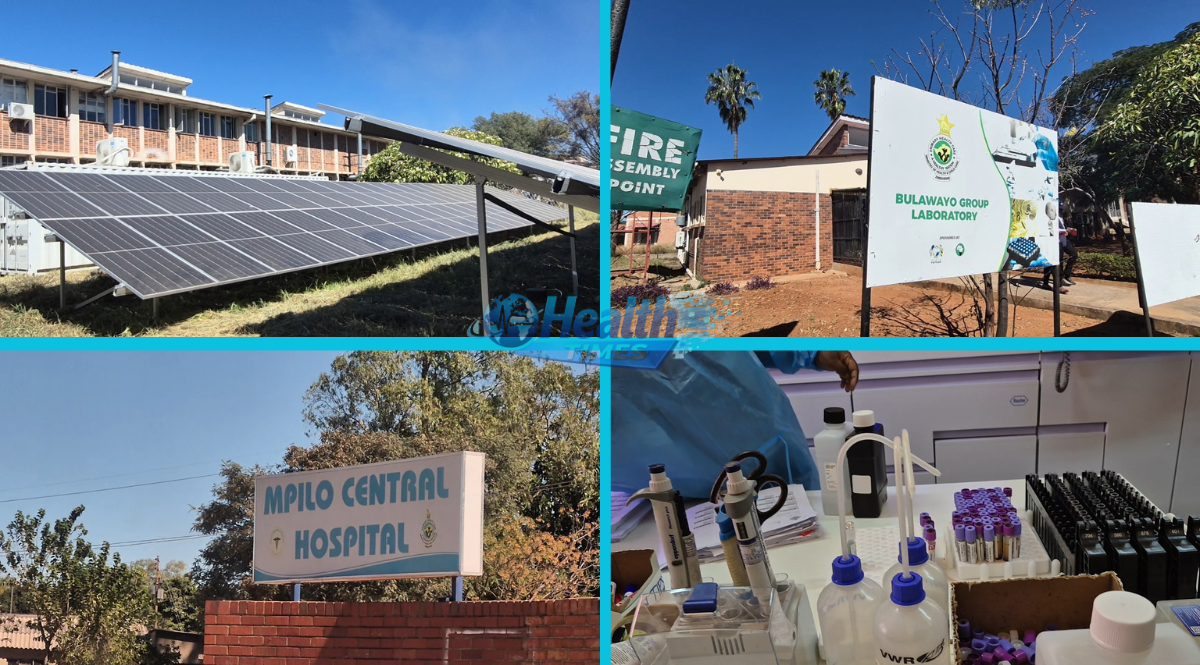
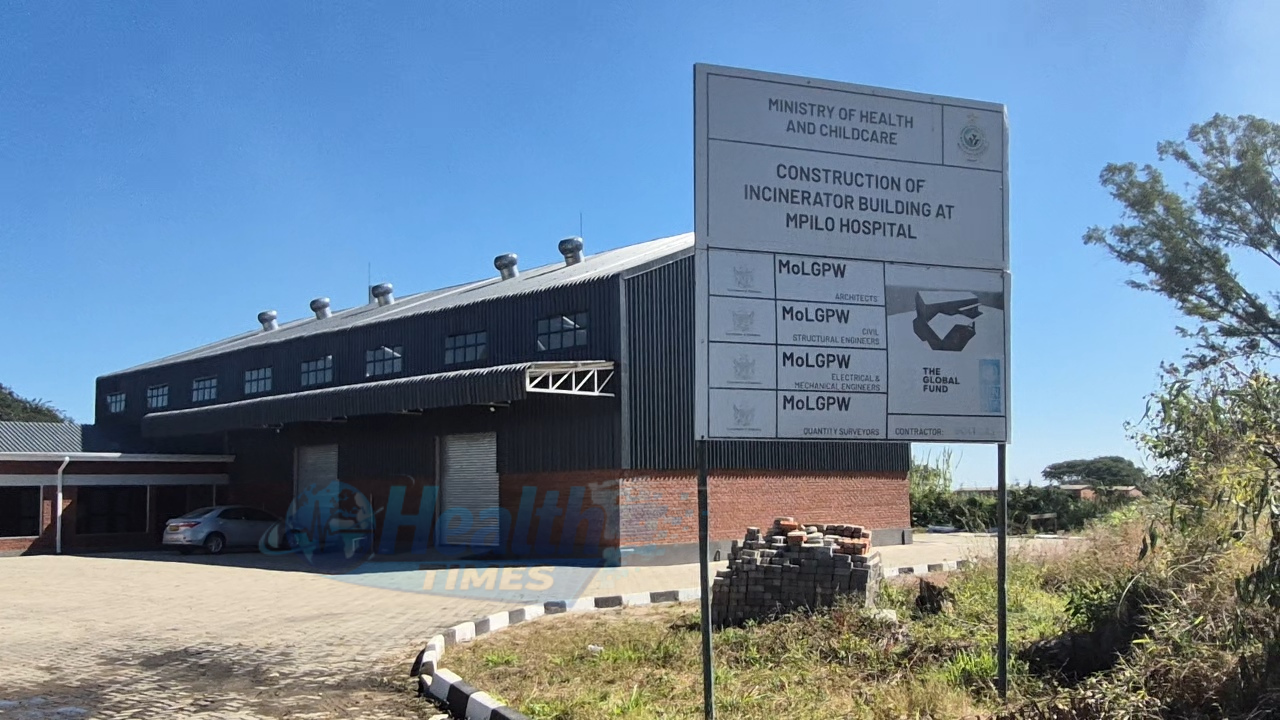
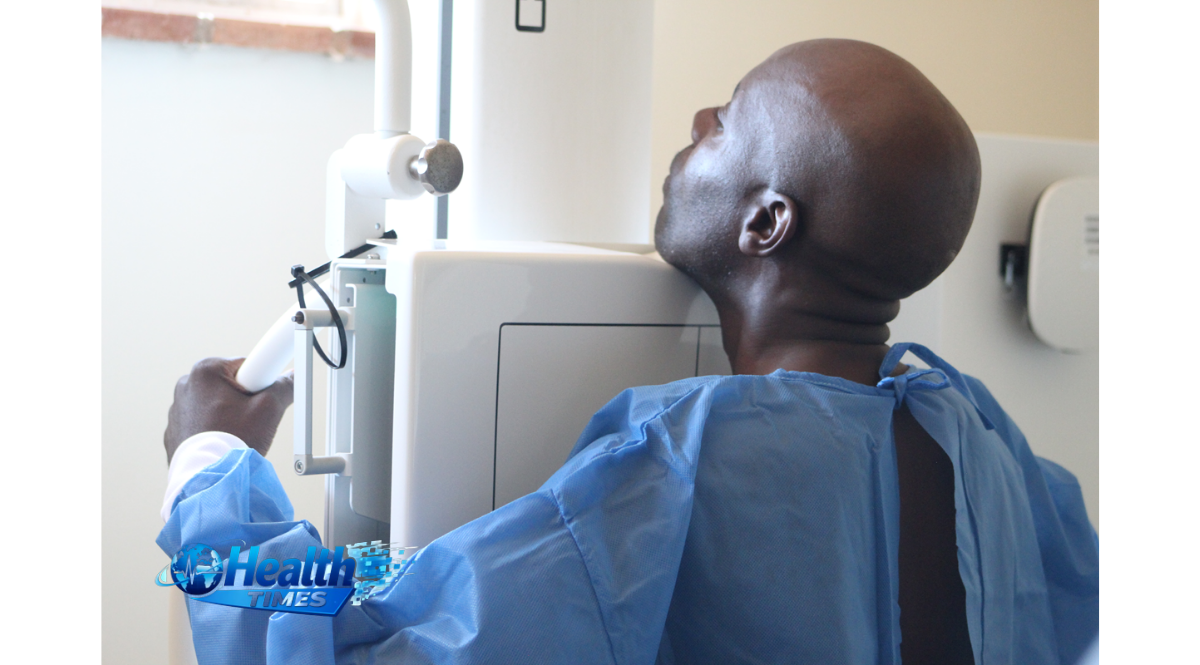
“If you look at again the equipping of these hospitals, again we continue to do this. If you go to Parirenyatwa right now, we have already started, we have seen the massive investments we have made in the renovations that those have started, Sally Mugabe Hospital has started, and then we move to Mpilo, and then Gweru General Hospital, as well as the Victoria Chitepo Hospital in Mutare. Again, we are moving systematically to deal with these renovations, equipment, availability of drugs, this will continue through the NDS2 period,” Prof Ncube said.
Amid complaints of poor working conditions in the health workforce and dwindling donor funding, the Minister assured that these issues will be addressed under NDS2.
“The other area obviously has to do with the provision of the human capital, in the sense of the health workers, making sure they are adequately looked after, they feel valued, we continue to improve their working conditions, so that again we can continue to deliver a world-class service to all our citizens,” he said. “We have seen obviously the cut-off of funding to the health sector from donors, we are going to accelerate our programme of increasing our mobilisation of domestic resources through our various domestic resource programmes, we will continue to fill that gap using domestic resources.”
Information, Media and Broadcasting Services Minister Dr Jenfan Muswere told the press that ten national priority areas have been identified under the economic blueprint.
“The objectives of NDS2 will be realized through ten identified national priority areas across all sectors of the economy, namely macroeconomic stability and financial sector deepening, inclusive economic growth and structural transformation, infrastructural development and housing, food security, climate and environment, science, technology, innovation, digital and human capital development, job creation, youth development, sport, creative industry and culture, regional development and industry through devolution and decentralization, social development, gender and social protection, image building, international relations and trade, and governance, institution building, peace and security,” he said. “The priority areas are focused on a whole-of-government and society approach and coordinated through thematic working groups, encampments, ministries, departments, agencies, local authorities and the private sector.”